One of WAG’s missions in managing the forest reserves is bringing back populations of animals which have been lost. Basically they were hunted out of existence. For the most part they were not killed by local villagers to feed their families but rather majority of wildlife loss was due to organized gangs killing animals to supply the bushmeat trade.
Bushmeat is a term used to describe wildlife hunted for human consumption. Managed properly it can be a sustainable resource to provide protein for poor communities. Unfortunately it has grown into a criminal enterprise which endangers humans as well as wildlife. As of 2016 more than 300 species in Africa, Asia and Latin America are endangered due to unregulated hunting. By and large the bushmeat harvested does not go to poor communities but rather wealthier populations who can afford to pay a premium for what is a traditional food. Bushmeat also endangers humans by spreading pathogens and parasites. Diseases like Ebola and HIV both developed in animals and jumped to humans.
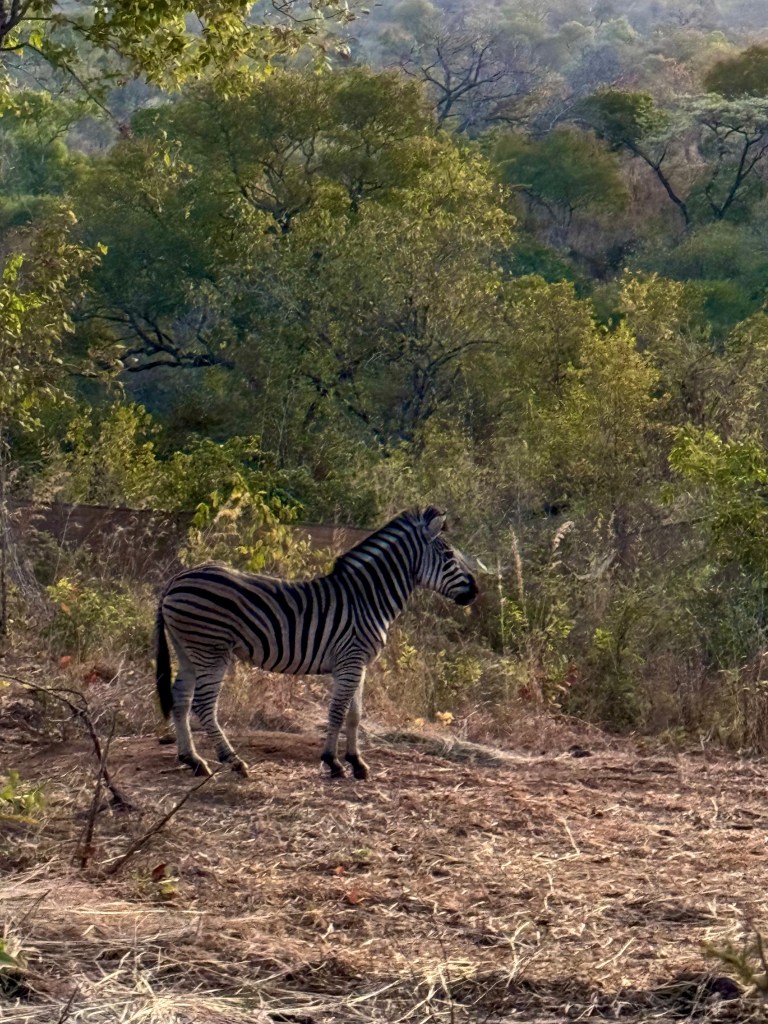
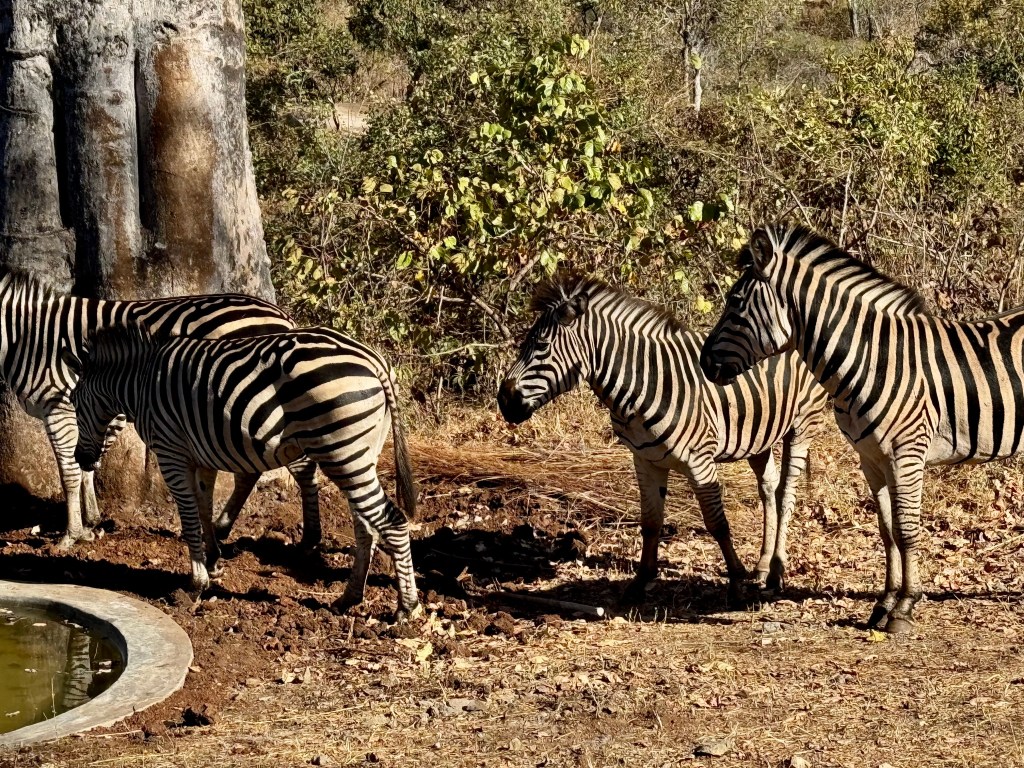
In 2022 WAG distributed waterbuck, impala, and sable antelope back into Thuma and Dedza-Salima Forest Reserves. Since then they have been documented as having established a breeding population. More recently zebra were brought in and seem to have adapted well. Returning native wildlife to the forest is critical in maintaining the biodiversity necessary for the health of the ecosystem. At some point it may be necessary to introduce predators to control the populations naturally but that is a much more complicated issue.
Waterbuck, impala and sable antelope being released in Thuma Forest Reserve.
Zebras recently returned to Thuma. Interesting fact: Researchers have learned that the zebras stripped pattern confuses insects vision resulting in half the number of insects landing on their body as compared to other animals. Aint nature amazing!
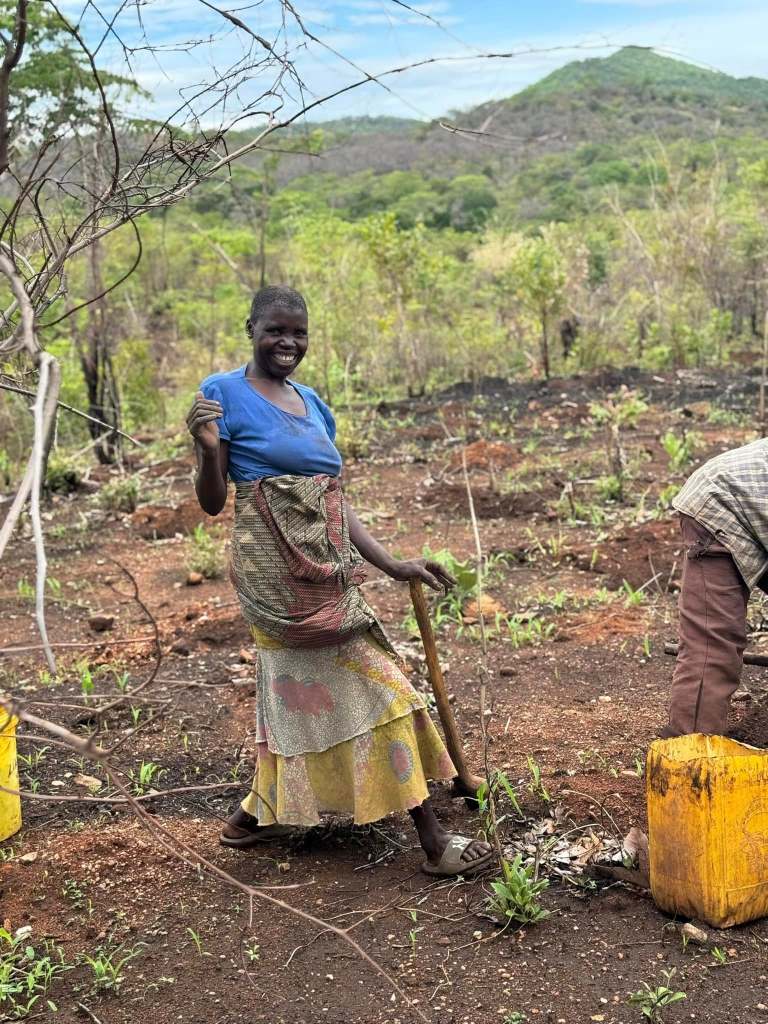
As reported earlier we recently sent funds for the student scholarships. In addition we included $510 for the ranger Christmas bonuses and $3000 to purchase fertilizer for the local communities. The rangers have a dangerous and physically demanding job for a meager $3/day. While $10 seems like a pittance to us it hopefully makeS their Christmas holidays a little better. WAG did not have money this year for fertilizer for the villages around the forest reserves so Elefence stepped up for this critical need. The planting season starts in December when the rains come. Without fertilizer the yields from the gardens will be much lower. The gardens represent a majority of the nutritional needs for families who already struggle to meet daily requirements.
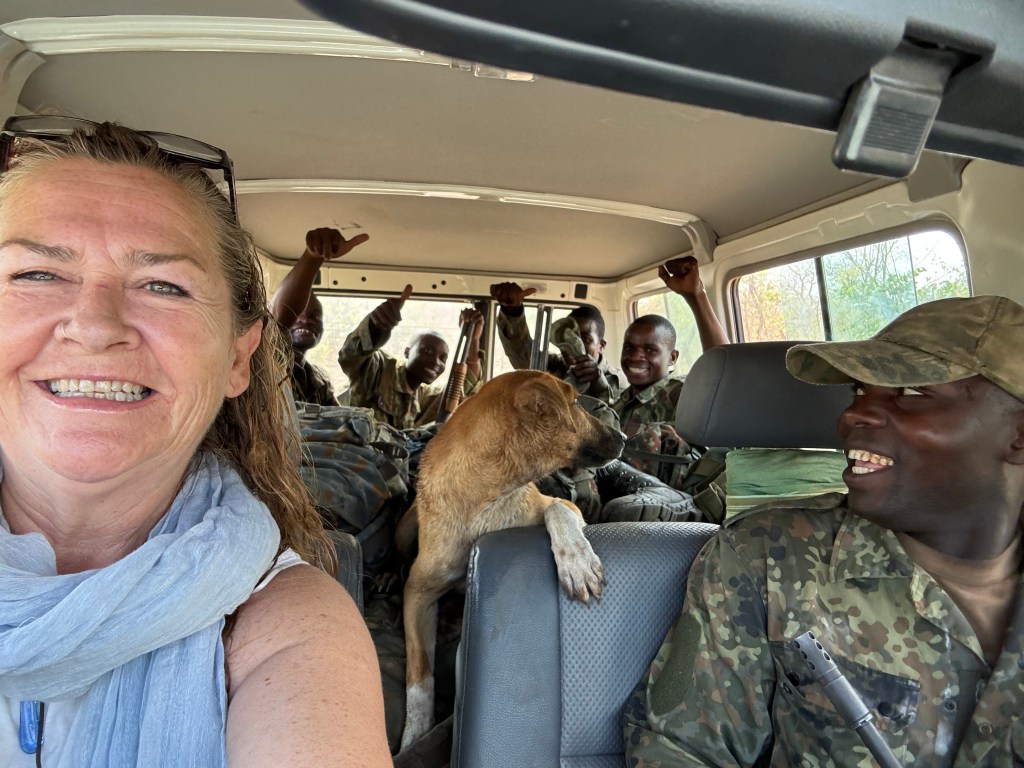
Lynn with the WAG rangers after last years bonuses.
Message from Lynn Clifford, WAG Field Operations Manager
Dear Friends and Supporters,
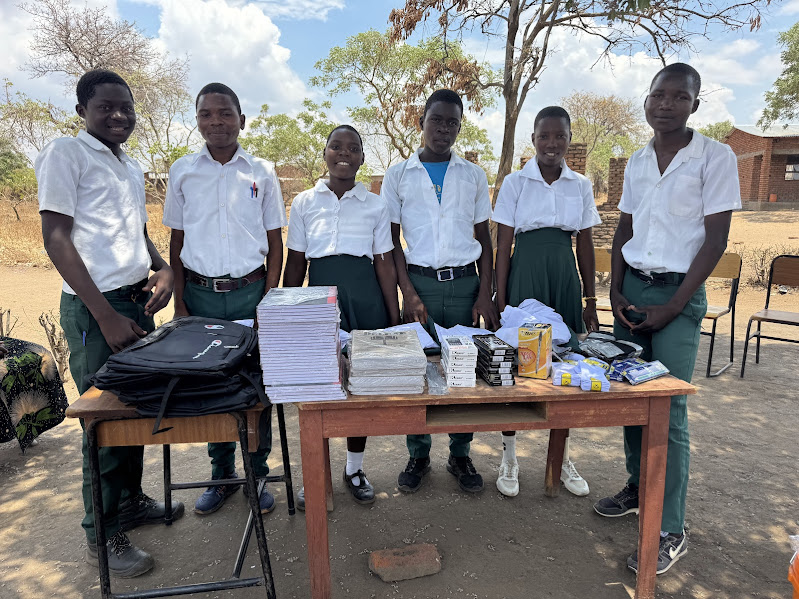
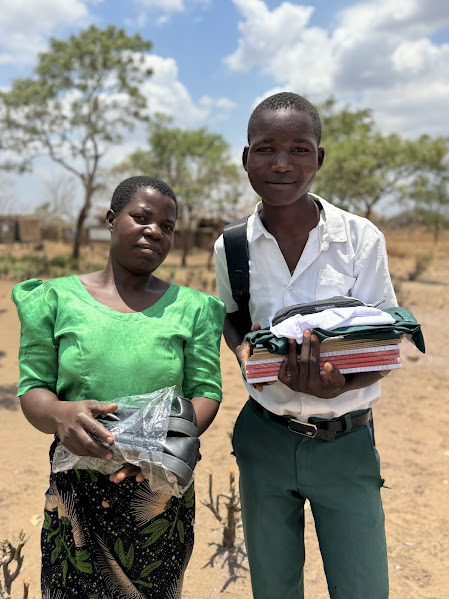
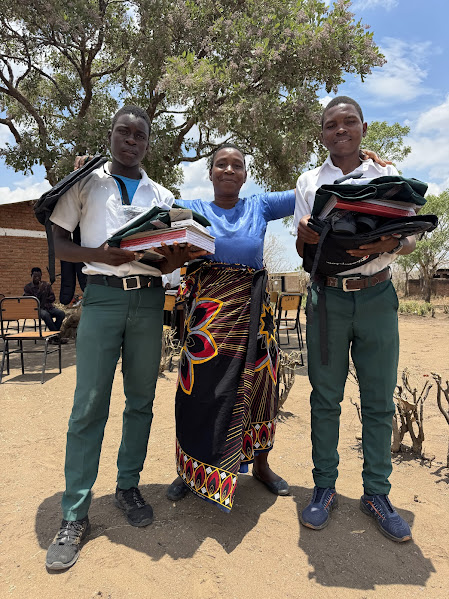
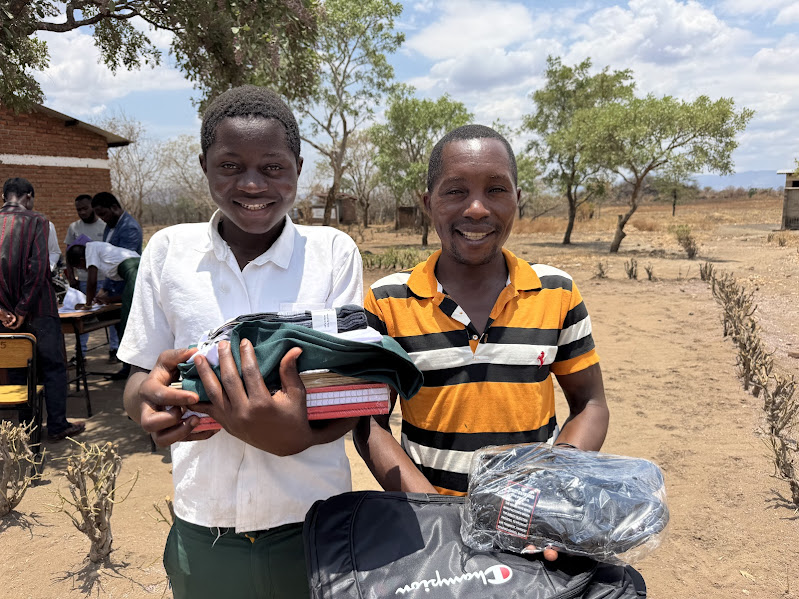
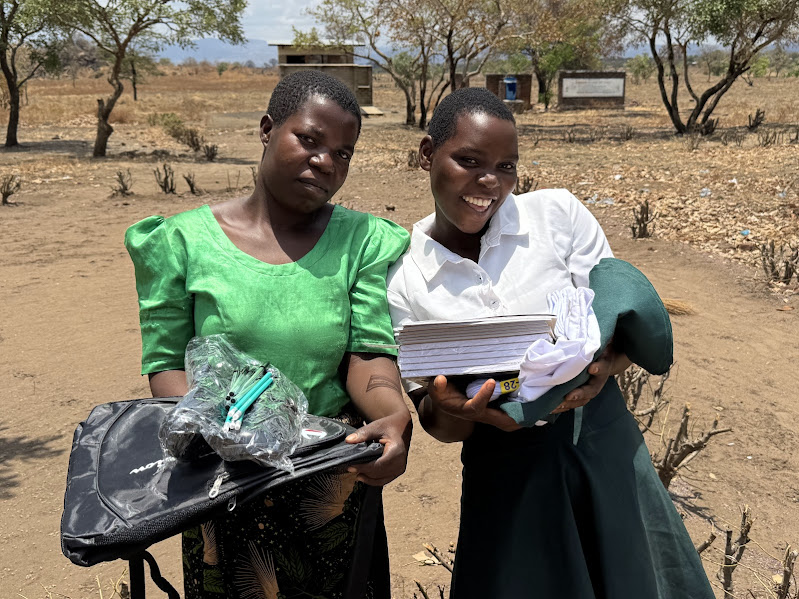
We want to extend our warmest thanks to each of you for your incredible generosity and continued support for our secondary school students. Because of you, all school fees for this year have been paid, and every student has received school uniforms and learning materials — giving them the confidence and tools they need to succeed.
This year, we are proudly sponsoring nine students across two districts — five girls and four boys. Among them, three will be sitting for their final secondary school exams, and three have just begun their first year of secondary school.
Since 2022, a total of 21 students have benefited from your support. Out of these, 10 have successfully graduated, one unfortunately failed, two left school due to pregnancy, and one transferred to another donor who could offer additional support. We are also proud to share that our students over the years so far have have achieved a 100% pass rate in the GCSE exams and a 67% pass rate in the final national exams — results that speak volumes about their determination and the opportunities your kindness has made possible.
The fact that these children are in school — all for them form extremely poor families, many of them the first in their families to reach secondary education — is entirely because of you. You have given each of them at least four more years of education, hope, and a chance at a brighter future.
From all of us at the Wildlife Action Group and the communities around Thuma, thank you for believing in these young people and walking this journey with us. Your support is truly changing lives.
From the journal of our president, Dick Houston, adventurer extraordinaire.
Safari Journal entries penned daily while on trans-Africa overland expeditions – my scribblings continued at night by the flickering light of a smoky kerosene lantern, continually dive-bombed by kamikaze moths beating against the glass.
CARRY ON WILD ROVER
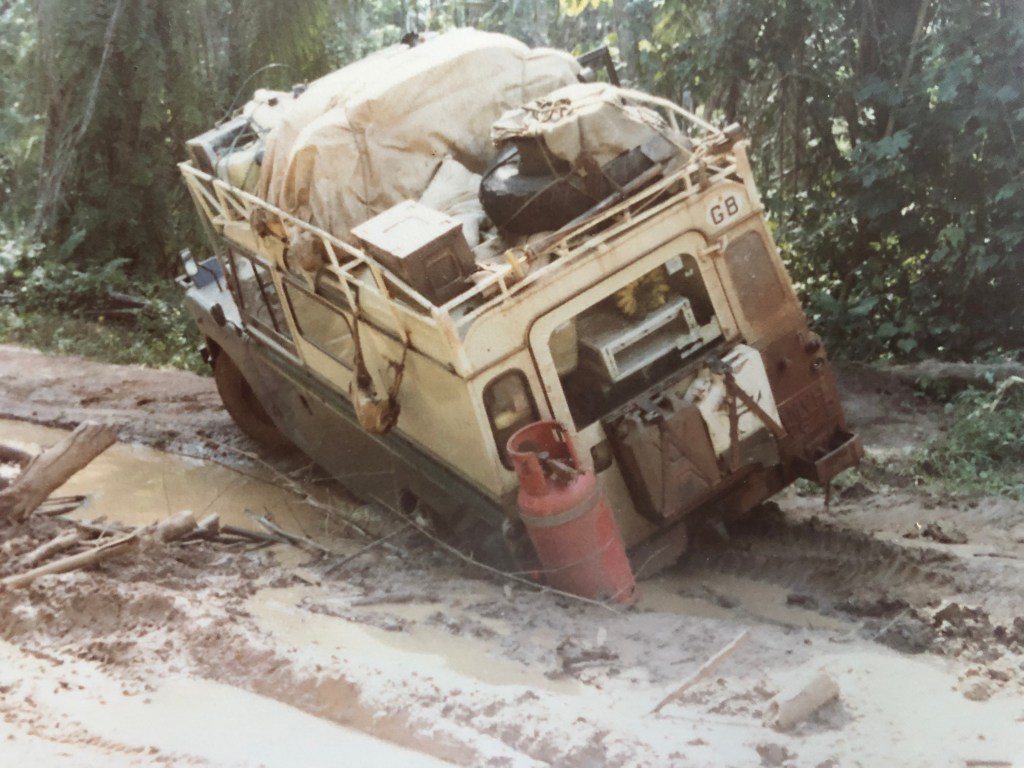
A rather sluggish day, driving a land Rover through the seemingly endless Congo jungle. Aiming for ENGLAND! The overloaded Land Rover, christened WILD ROVER, was sliding all over the narrow muddy track under the dark-green jungle tunnel.
Grinding along in a growling first gear,Wild Rover gamely carried on. The black greasy mud was trying desperately to suck us under to bury us. My British safari partner, Gordon, and I thought at one point we were going to tip over the vehicle.
There were two foot deep ditches down the middle. A sudden tropical downpour was obliterating most of the track. Then the rain stopped as fast as it started, as though turning off a spigot.
Trying to steer around the deeper ruts, we veered too late into another ditch on our right slipping into giant tire tracks, evidently gouged from a heavy transport truck that staggered through days earlier.
Our journey originated in Nairobi, Kenya. the purpose was to explore virgin territories for our small safari business named Afritrek, based in Bradford, England.
Our destination was Bradford, 10,000 miles away. The Wild Rover would eventually take us across the ‘fearful void’ of the Sahara desert. We knew the risks. There would be no Triple-A tow trucks, no Life Flight helicopters dropping from the sky in case of injuries.
The mud was evil, unforgiving. The Wild Rover churned through the sludge, its wheels spinning and whining, trying to get a grip. Suddenly the vehicle veered to the left and came to a jolting halt in a pit, almost turning on its side. It was teetering at a 45 degree angle, the right front wheel up in the air. Steam rose in white clouds from the overheated radiator. Gordon grabbed a thermos and two cups strapped to the dash, then pushed against the weight of the right hand front door. We climbed out, and dropped down into the shin deep mud. We slogged through the slop to the side of the track. We sat down on some solid earth to the side.
The tunnel of the jungle now felt claustrophobic, closing in on us. It had become an open air prison. We stared glassy eyed at the now beached Wild Rover. The situation looked hopeless. Gordon unscrewed the cap on the thermos to pour tea into the cups. Did I taste a hint of gin. Emergency rations of course. We did not say a word. Insects hummed their monotonous one note in the surrounding green tapestry of trees and monkey vines.
An hour later two African men suddenly appeared, wearing t-shirts and shorts navigating through the mud maze in their bare feet. We offered them cash and shovels to help dig Wild Rover out of the tar pit. Immediately the four of us were digging, clawing in the mud, hour after hour. panting, digging, panting, digging in a hundred degree steam bath heat. Losing buckets of sweat. Wild Rover refused to budge. The pushing, panting, pushing until we heard a loud POP. Gordon a crack mechanic, dropped his head and groaned. He knew what the sound was. “The rear differential’s GONE”. That was the bad news. The “good” news: the front wheel differential was intact.
But we still had thousands of miles to go through the Congo, the Central Africa Republic, Cameroon, edge of Chad, Niger, Algeria,Morocco, Spain, France and through southern England. And the Wild Rover wasn’t even out of its mud cocoon yet. Could we possibly make it all the way to England? Limping along only on front wheel drive, in an aging, overloaded safari vehicle?
I did not want to think ahead to the burning sands of the Sahara Desert. Nicknamed the Great Thirst….
This is a summary of an email we received from Lynn upon returning to Thuma Forest Reserve after a holiday back in her native country of Ireland. We were becoming concerned as we had not heard from her in several weeks.
“Sorry for the lack of response but my holiday turned into a remote job. Spent 2 weeks fundraising which was good but we did not meet our target for salaries and operations. That along with family sickness and a death in the family consumed all of my time.
I am back 5 days and it has been nonstop trying to resolve urgent things. 3 vehicles off the road with serious issues, 5 serious staff health crisis (one whole day taking them to doctors and hospital but we saved one’s life so it was worth it).
Poaching has risen sharply and we are overrun with wildlife and forest crime. It is scary and we have lost 4 rangers who have resigned as they feared for their lives. (See our earlier post about how being a forest ranger is one of the most dangerous job in the world).
We have a new president and things are changing rapidly. School fees, governance, sugar etc are hit with rapid prices. Fuel alone is up 33%. Beer too for which I am not happy.
The new government is stopping any child who has not done well from going on to high school even if they can afford it. This, however, is giving us an opportunity to promote 2 excellent students to go to a top government school. The drawback is that it is much more expensive but we believe it will be worth the extra cost. Of the 10 students we sponsored last year in secondary school 8 sat for different final exams and all passed. 1 failed and will repeat and one girl has not returned to school.
Fence materials have arrived – yippee – I spent Friday in the city clearing customs and transporting them to HQ. (We will have a report in the future about Elefence’s contribution to the next phase of construction).
We reintroduced Zebras before I left and they are doing great. One herd hangs around the lodge and the other around the HQ camp. Today I saw with my own eyes for the first time eland and nyala …..so exciting. We hope to get new ones reintroduced next month and after that my dream …. leopard.
A critical issue is that fertilizer costs have skyrocketed and we are short $3000 to purchase what is need for many local families. Anything you can do will be much appreciated.” ( Note: Elefence is going to fund $3000 from our generous supporters toward this cost. Planting season begins in December before the rains come. Without adequate fertilizer the yields will fall significantly making starvation a real threat.)
As you may remember from our earlier post this year Elefence delivered 10 trail cams along with rechargeable batteries and memory cards. The cams were a significant upgrade to what WAG had been using and it was double the number of cams they had. The new cams give very clear pictures and take infrared photos in the dark. Cams are invaluable to keep track of wildlife and even record illegal entry and poaching in the reserves which provides evidence if a criminal is apprehended. The group of our supporters were instrumental in funding and delivering the trail cams and even went out with the rangers to do some installs.
Lynn is just beginning to get some pictures back and downloading them to the new laptop we also delivered. She will then begin to sort and analyze them for animal counts and tracking their movements which is vital for monitoring the health of the forest and its wildlife. The photos below are just the first what we expect will be many more.
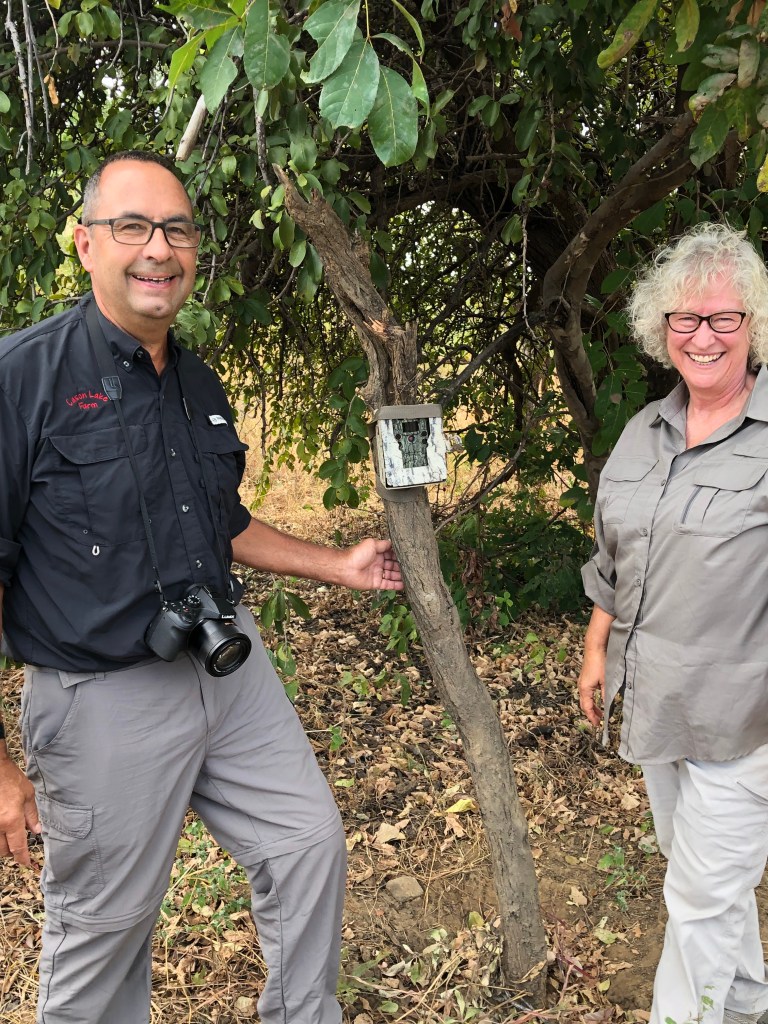
Our supporters, Greg & Kathy Housel who helped fund and deliver the trail cameras in the bush with one of the new cams.
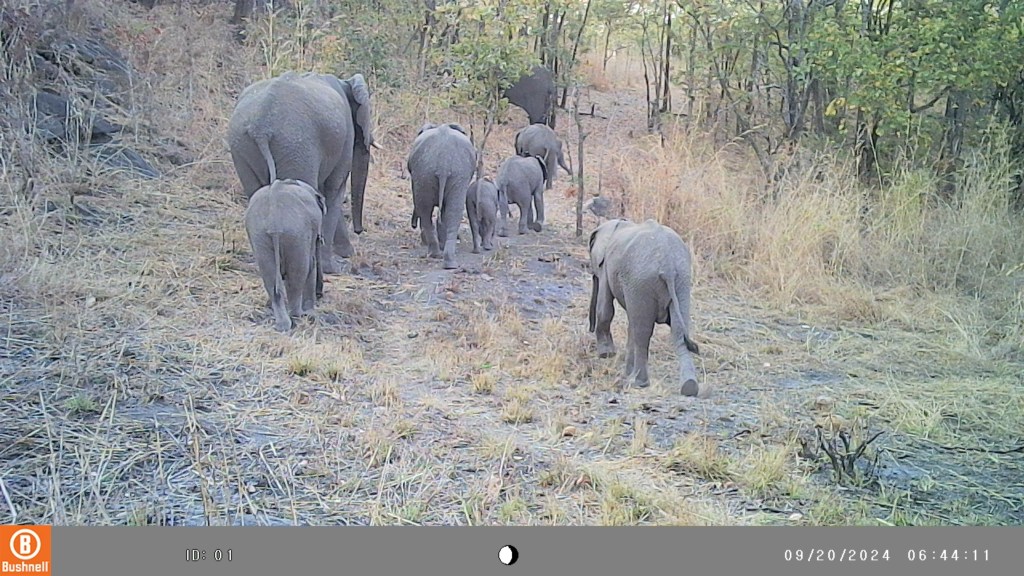
So good to see a healthy family of ellies in the bush.
At one time there was a theory proposed that elephants were telepathic because they seemed to be able to coordinate their actions and movements when they could not see one another and did not make any sounds. Elephants would be spread out feeding and would all stop, come together and move off in one direction. If there was a predator in the area they would gather and surround the young ones to form a protective barrier. Of course we know now that they are not telepathic but they do communicate in a variety of ways.
When we were on safari we were in a blind beside a waterhole and I could hear low rumblings coming from the elephants. I asked our guide if that was their stomach and he said ‘no, they are talking to one another’. Elephant researchers have recorded these sounds and when they played them back individual elephants responded. It is like the sounds are directed to specific individuals.
Elephants also produce ultra low frequency sounds; sounds which are below the range of human hearing. ULF sounds can travel up to 6 miles and elephants within range can hear and interpret these sounds.
Elephants also can communicate seismically. Their feet are very sensitive to vibration and they can feel other elephants when they move, especially if they are moving fast. On hard ground these vibrations can travel up to 10 miles.
Elephants communicate visually too. Waving their trunks or flapping their ears signal other elephants as well and give a clue as to their level of stress or agitation.
Elephant researchers have recorded over 100 individual sounds are are discovering more all the time. We don’t know what they are saying but there is not much doubt they do communicate.
Next week I’ll be wiring $1750 for Elefence’s project to pay for scholarships for 10 students at village Chilumba School.
We pay for the high school age students’ tuitions, required uniforms, backpacks, books, new shoes (most Malawi school children go to school barefoot), lesson tablets, and pens and pencils. Without our support, these students would have to drop out of school.
Who knows what the future holds for these dirt poor kids. But now they have a promising chance at life. Shoes and dignity have been put on their feet. Seeds have been planted.
We plan to fund this scholarship program every year.
Dick🐘
Footnote: Lynn Clifford, the WAG Field manager, administers the details of the students who receive the scholarships in coordination with the teachers and the student’s parents. She is averse to just handing out money for these scholarships so she pays up front for the students supplies and clothes along with the first semester tuition. The student’s parents must then work for WAG to earn the other half of the scholarship. The work includes things like preparing food for the rangers or mending their uniforms, keeping the camps in good order or clearing trails. This policy gives the parents a real sense of accomplishment in securing a better life for their child.
We will have photos of the students as soon as he new school year begins
As we have stated on our opening page the production of charcoal is the primary driver of the destruction of Malawi’s forests. Malawi has no significant natural resources, i. e. gas or oil and no significant amount of minerals. It produces little of its own electricity which it must purchase from outside the country often causing blackouts and shortages because it cannot pay for it. The only fuel for cooking or heating comes from charcoal which is produced by cutting trees and heating the wood in crude kilns. This is totally illegal but the government does not enforce it since there is no viable alternative for its population.
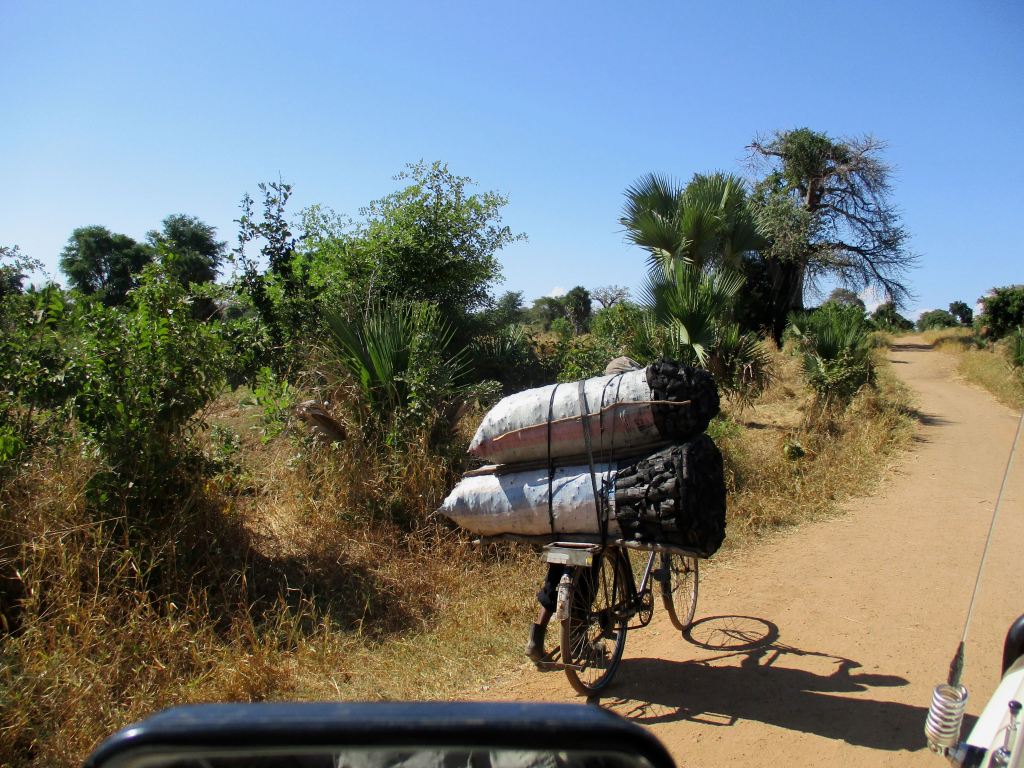
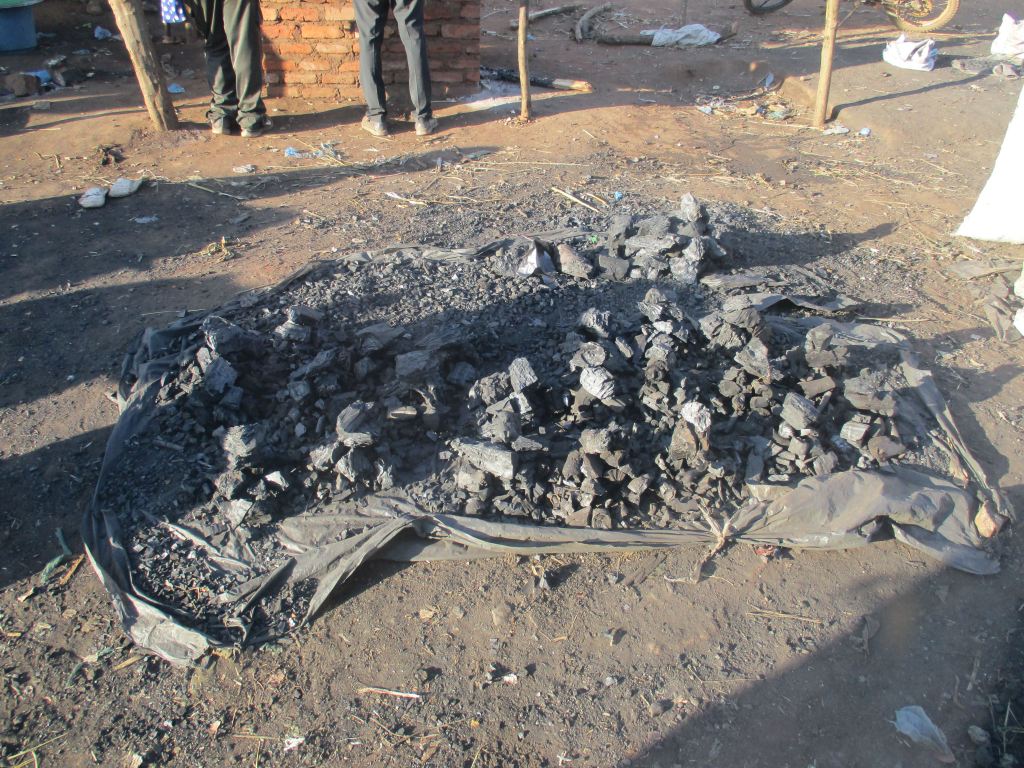
The charcoal is produced in remote locations and then must be transported to population centers for sale. Every day we saw individuals pushing loads of charcoal stacked high on bicycles. The men doing this would push the loads 6 – 10 miles, up and down hills and be paid a pittance for their efforts. The charcoal was spread on the ground and sold in small bags to women who could then go home and cook a hot meal for their family.
Malawi does have abundant sunshine and solar ovens are an alternative but the cost is prohibitive. There has been discussions about community solar ovens for cooking and baking but as yet there is no way to fund them. So for now the country continues in this death spiral of stripping itself of its beautiful forests.
A bright spot is the commercialization of bamboo which grows naturally in Malawi and is abundant. Villages are planting stands of bamboo which can be used as a fuel directly or made into charcoal. Villagers can secure a permit to go into the forest and harvest bamboo for a variety of purposes not the least of which is construction. Of course a ranger must escort them and stand guard to protect the workers from elephants and Cape Buffalo. Bamboo is light, strong, long-lasting, takes almost no care and grows quickly. Efforts are foregoing to expand the use of this versatile material.
Malawi is a predominantly Christian country with 87% of the population identifying as Christian and 12% as Muslim. The largest denomination is the Roman Catholic Church which has had a presence in Malawi for 150 years. The second largest is the Church of Central Africa Presbyterian. There are several smaller Presbyterian denominations as well as a smattering of Anglicans, Lutherans, Baptists, Seventh-day Adventists, Methodists and evangelicals.
In traveling around the country we saw any number of small church buildings for all the different denominations. For the most part most of the Protestant churches looked somewhat seedy and poorly maintained but that may be just the fact that Malawi is such a poor country. In contrast, however, the Muslim churches were brightly painted and well kept. It was easy to pick out the Muslims walking the streets with their long robes and small hats. We were told that the two groups got along well and there was almost no conflict between the two. There is a lesson there and one more reason that Malawi is called ‘The Warm Heart of Africa’.
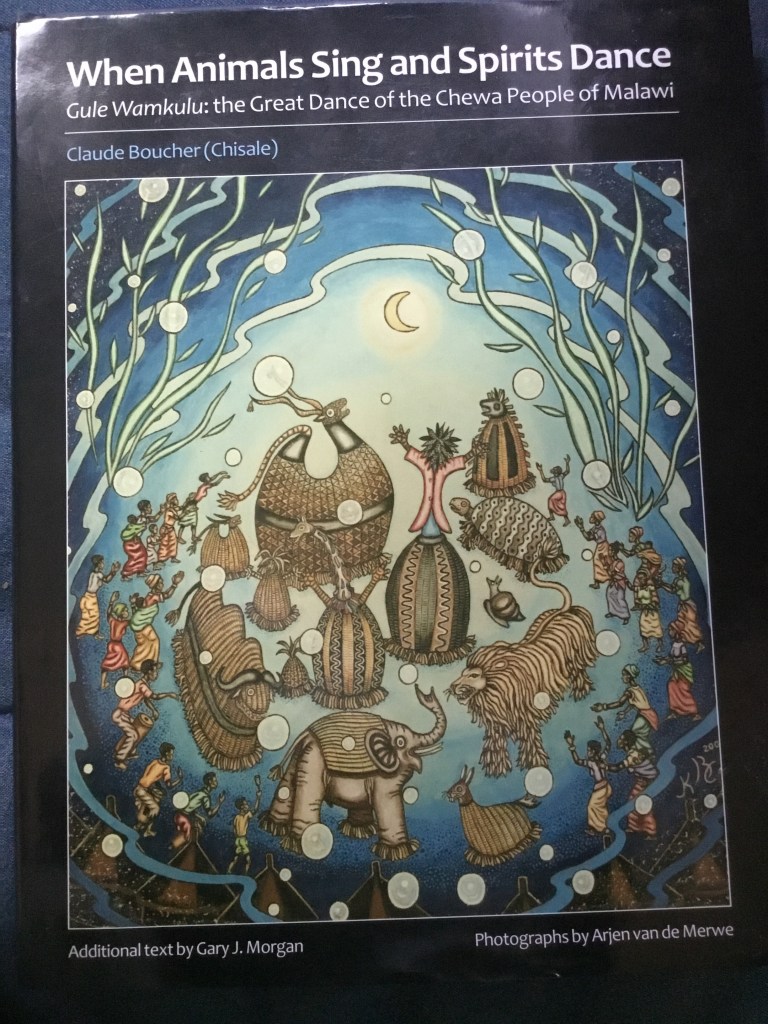
Lynn took us to one of the oldest Catholic churches where we sat and talked to Father Claude Boucher, an old priest who had been there over 50 years. He told of stories of the early days of his time in Malawi where the lions would come out of the forest at night and walk around the mission which was quite small at the time. Everyone slept on the balcony to be safe from the lions at night. The lions are now mostly gone with the deforestation which has ravaged the countryside. He was somewhat bitter as the church was forcing him to retire and were pushing him aside. He had been offered a place in a retirement home back in Europe but he wanted to stay in Malawi until he died. He has written one book about the Malawi people and is working on his memoirs. Lynn is quite close with him and tried to console him about his recent forced retirement.
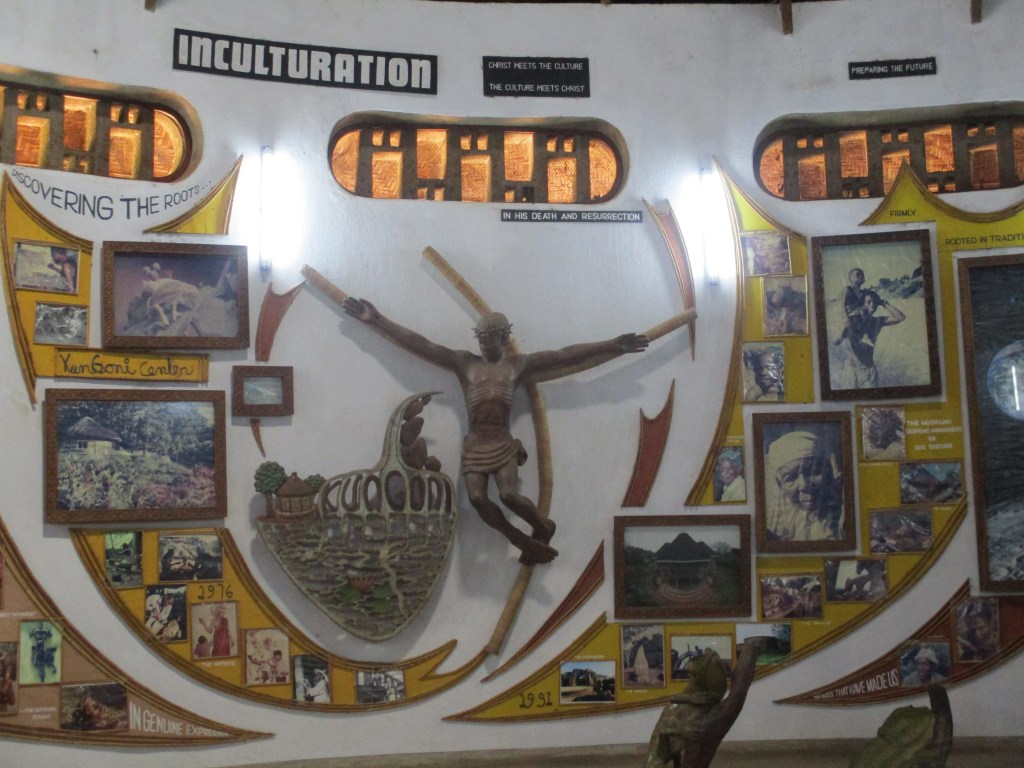
The Catholic church building was quite large and well kept. They had dedicated a whole room with a great many pictures about Malawi history. We toured the room with a man who explained all about the numerous pictures but unfortunately with my bad hearing I missed a lot of it. I was impressed by the stylized depiction of the Crucifixion of Jesus which had definite African influence. In their gift shop was a nativity which was beautifully done and positively African in design. I desperately wanted to bring it home but I knew it would not survive the trip.