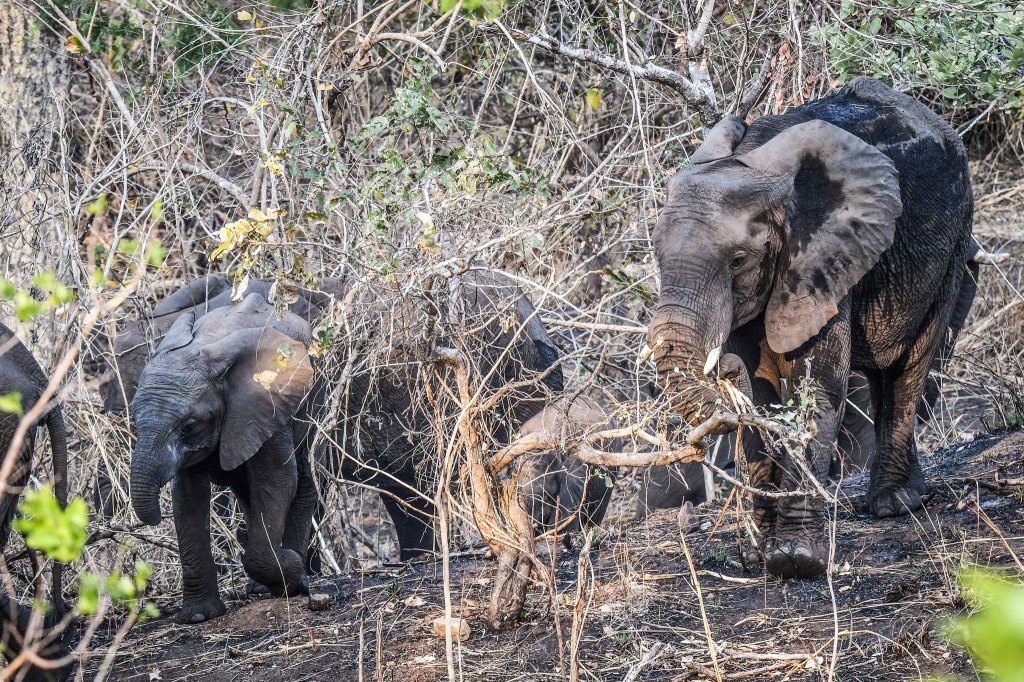
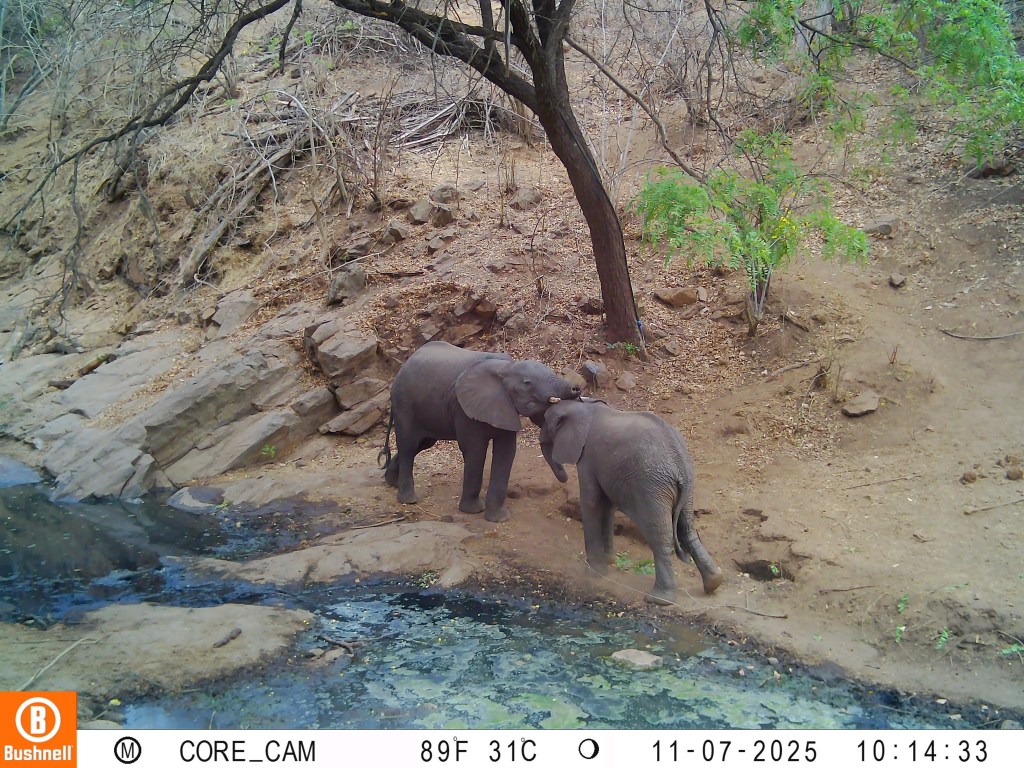
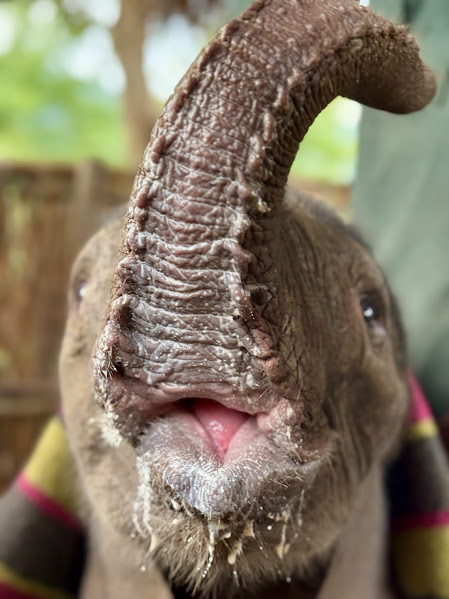
A Story of Survival: Little Sergeant Back in late 2016, we first spotted a young elephant we came to call Little Sergeant — less tha one year old, and heartbreakingly missing half his trunk. At the time, we didn’t hold out much hope for his survival. Life in the wild is tough… and even more so with such a disadvantage. Then, in 2019, he was seen again — against the odds, still going strong. After that… nothing. No sightings. No signs. Just silence. Until now. While reviewing recent camera trap footage, we couldn’t believe our eyes… there he was. Little Sergeant — alive, thriving, and all grown up. Now around ten years old, he’s no longer the vulnerable calf we once feared for. He’s strong, resilient, and even captured play-fighting with another elephant — a true sign of confidence and health in the wild. This is why we do what we do. This is why protecting wild spaces matters. Nature is powerful. Nature is resilient. And sometimes… it gives us stories like this.
PS Little Sergeant probably lost half of his trunk in a snare set by a poacher. Snares are horribly cruel and subject wildlife to an agonizing death or maiming. The rangers are in a constant battle to remove snares in the forest reserves.
As you know Wildlife Action Group’s primary mission is protecting the Thuma and Dedza-Salima forest reserves and its wildlife. A close second is helping the surrounding villages improve their standard of living. The establishment of poultry clubs is one way which has been very successful. Following is a recent post from WAG:
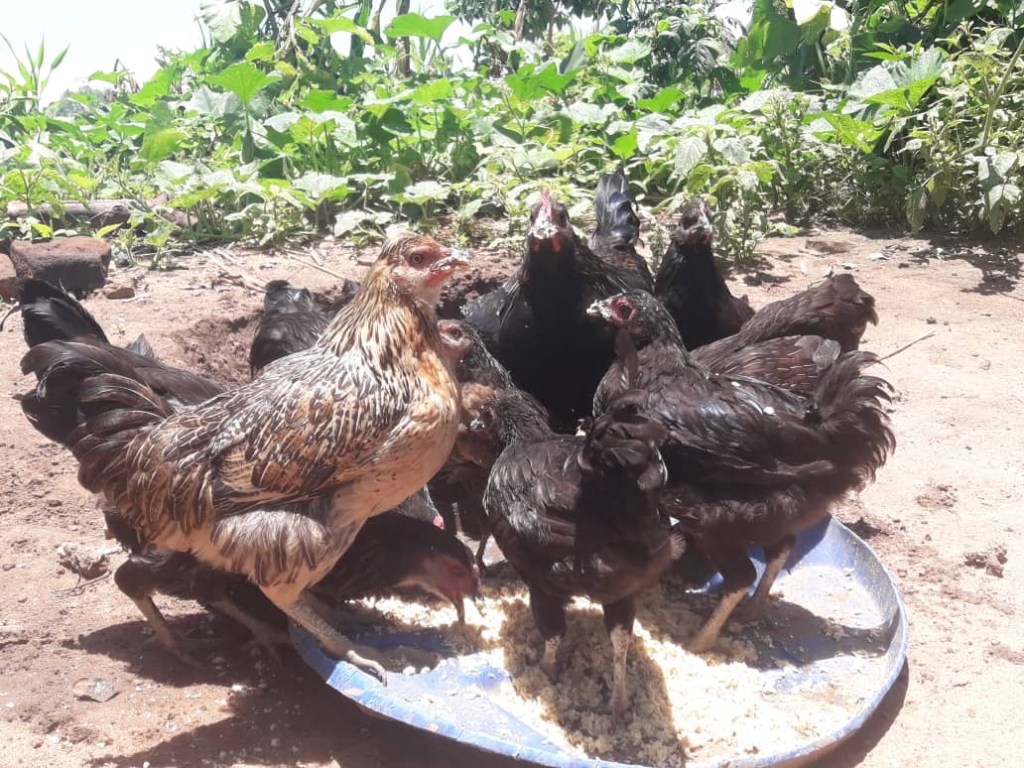
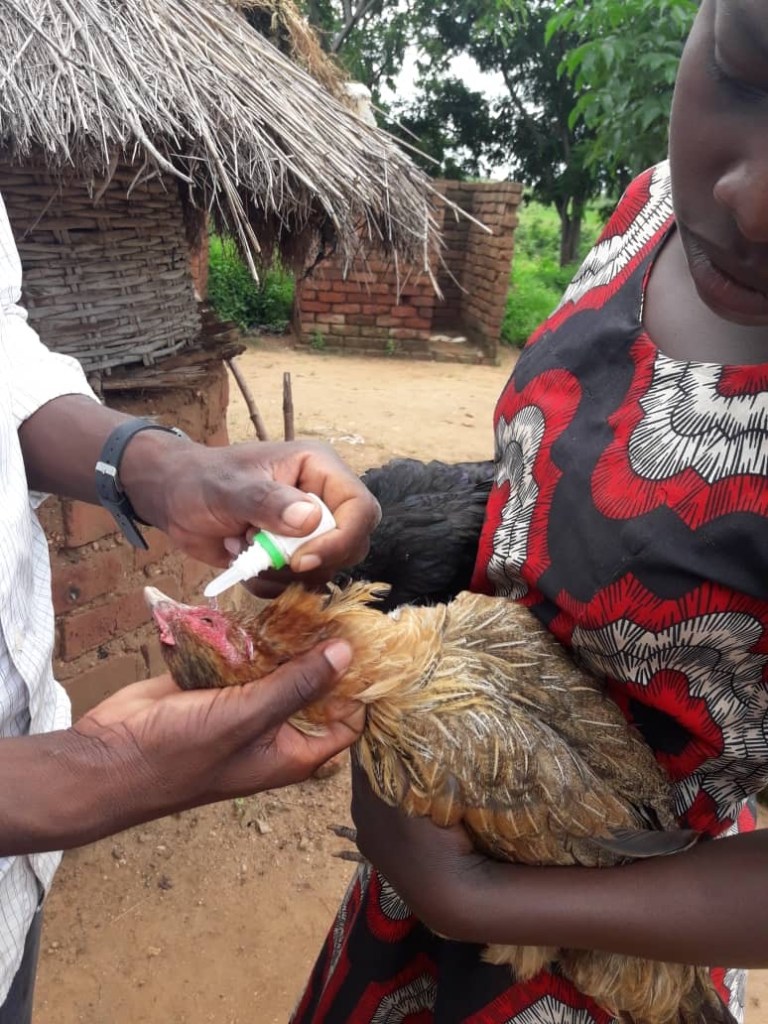
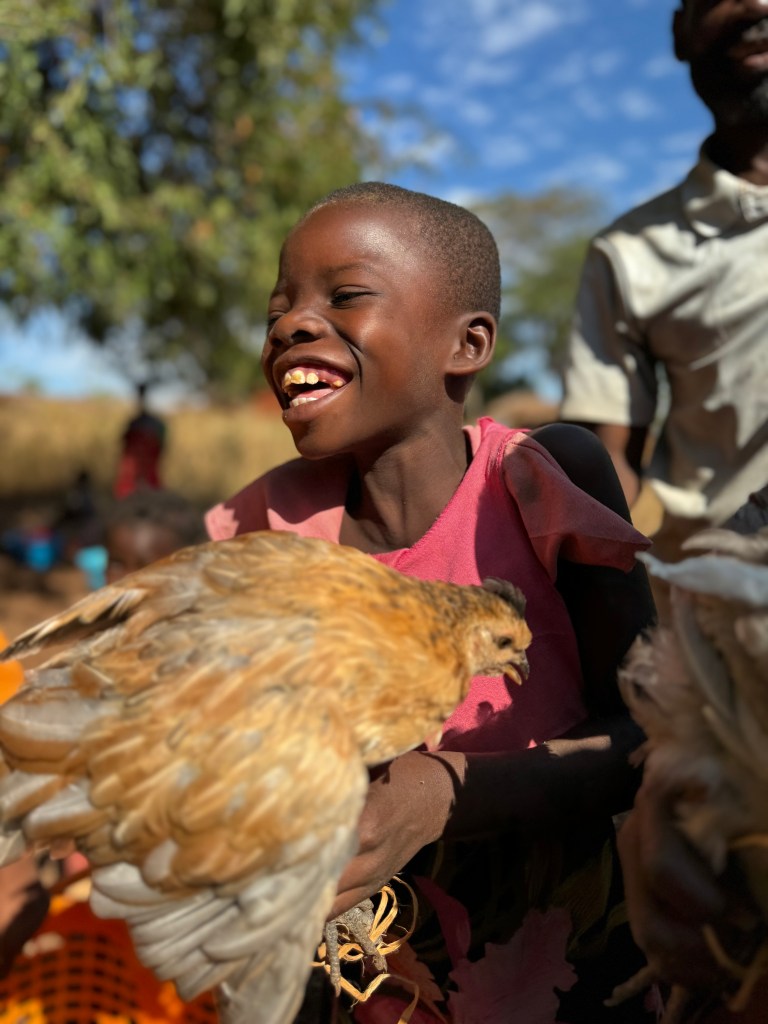
Poultry Clubs Thriving Through Knowledge & Good Practice Our community poultry clubs are doing incredibly well — and it’s no accident. Through good animal husbandry practices, consistent monitoring, and improved housing and feeding systems, members are seeing healthier birds and stronger flocks. A major success has been the implementation of a strict Newcastle Disease vaccination protocol. Our trained community vaccinators are ensuring timely and correct vaccine administration, significantly reducing preventable losses and improving flock survival rates. But the real impact goes beyond healthy chickens. Households are now: ✔️ Making informed decisions about flock size and stock management ✔️ Planning sales strategically to generate income ✔️ Improving household nutrition ✔️ Strengthening financial independence Access to knowledge means access to choice. And choice means empowerment. When farmers understand disease control, feed management, and market timing, they are no longer reacting to losses — they are planning for growth. This is what sustainable, community-led development looks like.
The raising of chickens provides multiple benefits. The flocks supply meat and eggs for better nutrition as well as income when the clubs sell the birds and eggs. It also gives a sense of self worth to the people for engaging in a worthwhile enterprise and teaches them valuable skills about business.
In the future we will report on the success of some of the other WAG programs
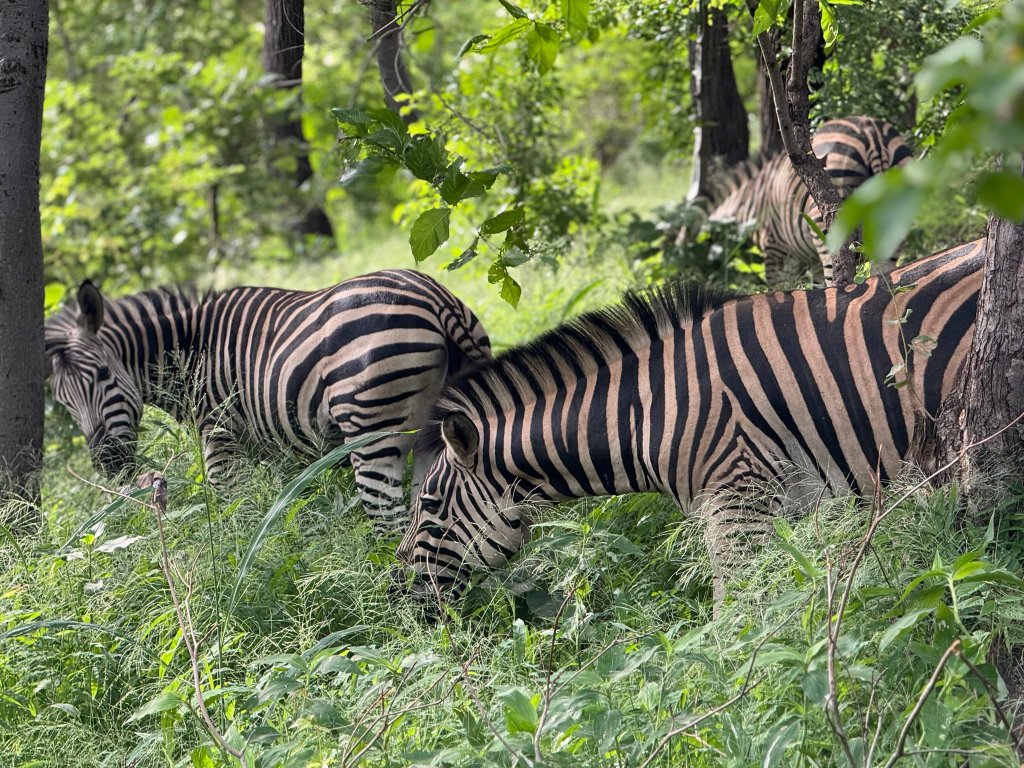
Zebra Thriving in Thuma! The recent introduction of zebra into Thuma Forest Reserve has, to date, been a great success — and we are absolutely thrilled. Seeing these beautiful animals settling in, grazing peacefully, and adapting well to their new environment is a powerful reminder of what careful planning, strong partnerships, and dedicated protection can achieve. Their presence strengthens the ecosystem, restores natural balance, and adds to the rich biodiversity of Thuma. It is not just about adding a species — it is about rebuilding and enhancing a healthy, functioning landscape. Moments like this make the hard work worthwhile. We look forward to watching them continue to thrive and contribute to the future of Thuma’s wildlife. Here’s to restoration. Here’s to resilience. Here’s to zebra running free. Thank you to all who have been part of this revival.
By the way the correct pronunciation is not zEEEbra, it is Zebra with a short E. Not sure if I will ever get used to that.
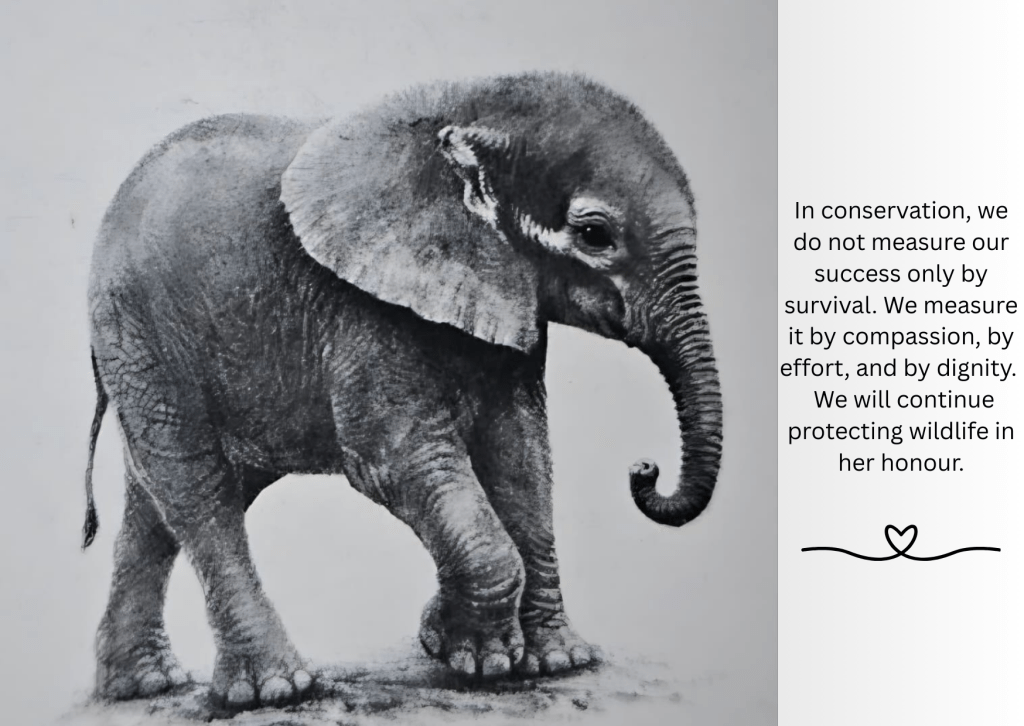
I just wanted to reach out to you personally to thank you for everything you did to help little Mwayi. Yesterday, with heavy hearts, we said goodbye to a very special little life — our Mwayi. She arrived to us very fragile and vulnerable, yet quickly captured the hearts of everyone. From the beginning we knew her chances were uncertain, but we were determined that she would not face those challenges alone. Our carers stayed by her side day and night, giving her every chance through medical care, nourishment, comfort, and love. Though her time with us was short, Mwayi reminded us why this work matters so deeply, because every wild life is precious, and every one is worth fighting for. For more than fifteen years, Wildlife Action Group has worked to safeguard the elephants that live within the Thuma / Dedza-Salima Forest landscape. This region is home to what may be one of the last remaining escarpment elephant populations in Africa. When our work began, only about 65 elephants remained. Today, through persistent protection and the support of people who believe in this mission, that number has grown to more than 300. Mwayi was one of them, born into this fragile and remarkable herd that we work every day to protect. In her memory, we will continue that work with even greater determination. Thank you from the bottom of our hearts and for your kindness and caring so much. Sending our deepest gratitude always Lynn and the WAG team.xx
Since Lynn has a deep affection for animals of all kinds this loss has hit her particularly hard. Knowing Lynn as we do, however, we expect to continue on in her fight to protect the two forest reserves and the people who surround them.
From Lynn. The little one is improving but she has a way to go for full recovery. She recently had some surgery to treat an infected umbilical which seems to be healing
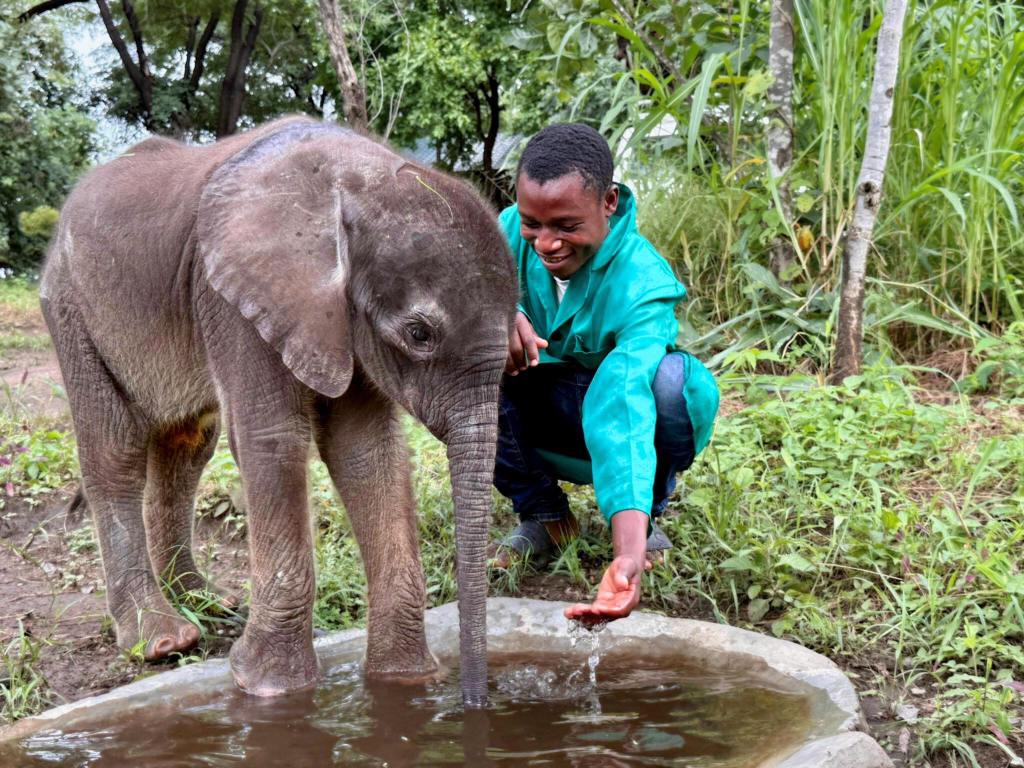
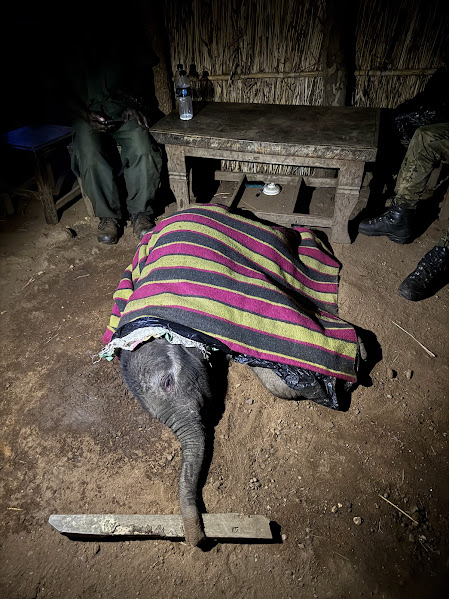
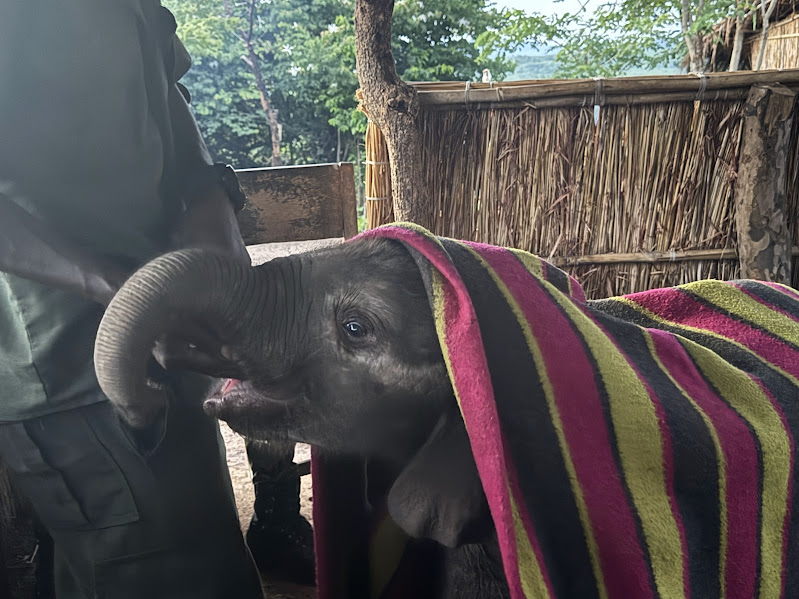
Baby Mwayi Update ♥️🐘 There are gentle signs of hope for little Mwayi. Her milk intake has increased, and she’s showing more energy. While we remain cautious given her fragile condition, these small steps forward feel incredibly meaningful. Each feed, each spark of strength, is something we hold onto tightly. One of the most beautiful things to witness is the bond she has formed with her caregivers. They are by her side 24/7, watching over her, comforting her, responding to her every need. In the quiet hours of the night and the long days of careful monitoring, love surrounds her constantly. They lovingly call her “our daughter” and it’s easy to see why. She reaches for them for reassurance, and they are always there. Mwayi needs all the love, care, and attention she can get to give her the fighting chance she deserves. Thanks to your incredible support, we are able to stand beside the team on the ground and ensure she receives everything she needs.
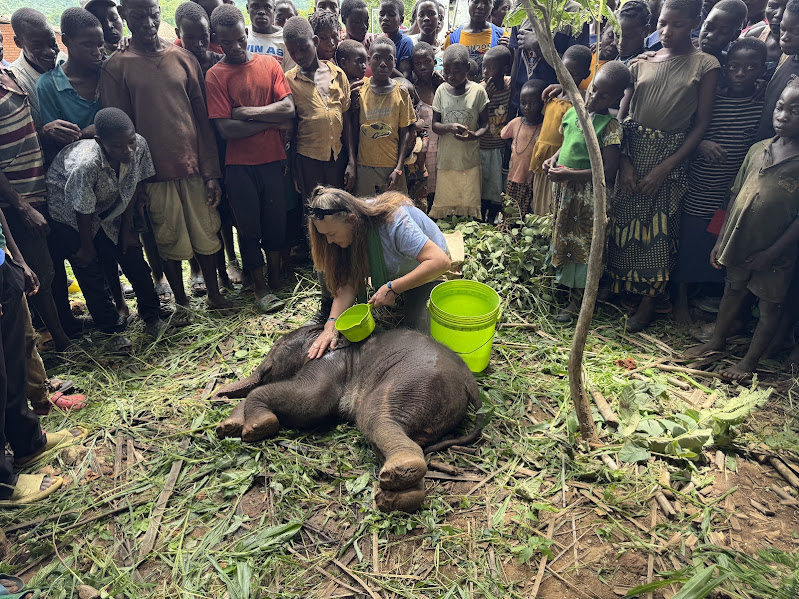
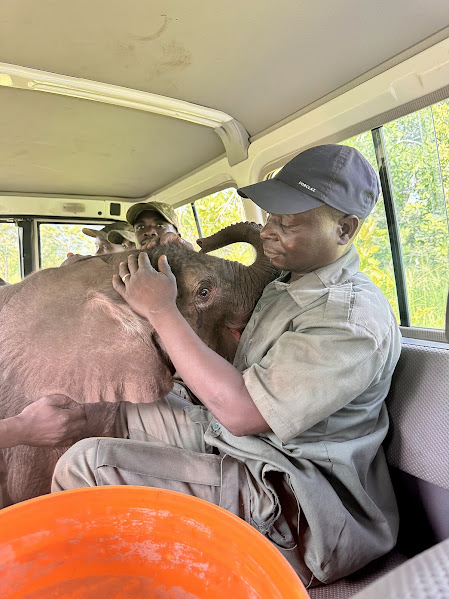
In mid January a baby elephant was swept into a river which was swollen from the recent rains. It was quickly washed away from its mother who could not get to it. Fortunately a group of the local villagers were able to pull it from the river but it was exhausted and in bad shape. They immediately contacted Wildlife Action Group who came quickly to take care of the baby. Baby ellies are very hard to raise and Lynn knew they had very limited time to bring it back to health. The first thought was to get it back to the mother as soon as possible but locating the correct herd and mother was not successful. Lynn went into action and immediately contacted several people who had the specific knowledge on what needed to be done. The baby is currently still in poor condition and recovery is far from guaranteed. Following is Lynn’s recent update to us.
HI Dick Sorry this is a generic update for you as we have so many people wanting to know At present, the calf remains in a fragile and critical early-stage condition. She is experiencing ongoing difficulty with feeding and has been suffering from episodes of diarrhoea, which have made stabilization challenging. Her condition fluctuates on a daily basis, with periods of improvement followed by setbacks, which is not uncommon in neonate orphan elephants of her estimated age and size. The previously identified umbilical infection is currently being actively managed and appears to be under control at this time, though continued monitoring remains essential. The calf is notably small and weak and very young, which further complicates her recovery and requires intensive, adaptive care. To ensure the highest possible standards of welfare and technical guidance, we have secured 24-hour access to expert support from expert and experienced wildlife rescue and elephant rehabilitation specialist Ms. Liz O’Brien, , who is providing continuous remote oversight and guidance. In addition, Game Rangers International(GRI) is available as backup support, including expert input from Dr Amanda Le Salb, should further intervention or consultation be required. On the ground, Baby Ellie is receiving round-the-clock care from a dedicated team of eight Malawian staff members, operating on a 24-hour rotation. These staff members are undergoing continuous hands-on training and mentorship and have demonstrated exceptional commitment, empathy, and responsiveness to the calf’s needs under difficult and emotionally demanding conditions. It is important to note that Baby Ellie remains in the very early days of care, and despite all reasonable and appropriate interventions being applied, her prognosis remains guarded. As with all neonatal orphan wildlife cases, particularly elephants, outcomes can be unpredictable, and changes—both positive and negative—can occur rapidly.
All actions taken to date have been guided by animal welfare priorities, professional advice, and the best available knowledge under the circumstances Lynn
Following are photos of Baby Mwayi, which means ‘Luck” and she certainly needs it. Stay tuned for updates on her condition. If you have not done so scroll down to see our post about our newest fence project.
Elefence is sending Wildlife Action Group (WAG) $24,000 for fence construction thanks to a generous donor. The fence will extend the partially erected fence around the Dedza-Salima forest reserve. The fence around the Thuma reserve is complete now due to a previous Elefence contribution.
Constructing a fence is not an easy thing. First it must be approved by the Malawi government departments of forestry and wildlife. The fence line must then be surveyed to determine the exact route. Sometimes the route crosses village boundaries and must then be adjusted to insure that villages are cut off from areas they have used for generations even though they may have no clear title to the property. Negotiations with the village chiefs which border the route are critical to insure their cooperation. After all of these steps construction can begin once the rainy season ends.
WAG had secured funding for purchasing the fence materials but had no money for labor, survey services and the hiring of a qualified construction manager. The local villagers are hired as workers and their wages are a significant source of income in an an area where there is almost no work available. Funds were also required for purchasing food for the workers and paid village women to prepare and serve food to the workers. The fence is solar powered but must be patrolled regularly and maintained. The WAG rangers have other duties so again the villagers are hired for this.
A fence protects both the villages from marauding wildlife as well as defining the border of the forest reserves. A couple of elephants can destroy a farmers entire harvest in one night which often calls for the killing of the elephants. Elephants and cape buffalos are dangerous when the locals attempt to drive them away. In the last three years 5 persons have been killed by elephants in the area of the reserves.
A fence also provides a clear boundary of the reserves. Persons inside the fence without a permit to gather dead wood for cooking and heating or cutting bamboo for construction are usually doing something illegal such as poaching wildlife or cutting trees for making charcoal.
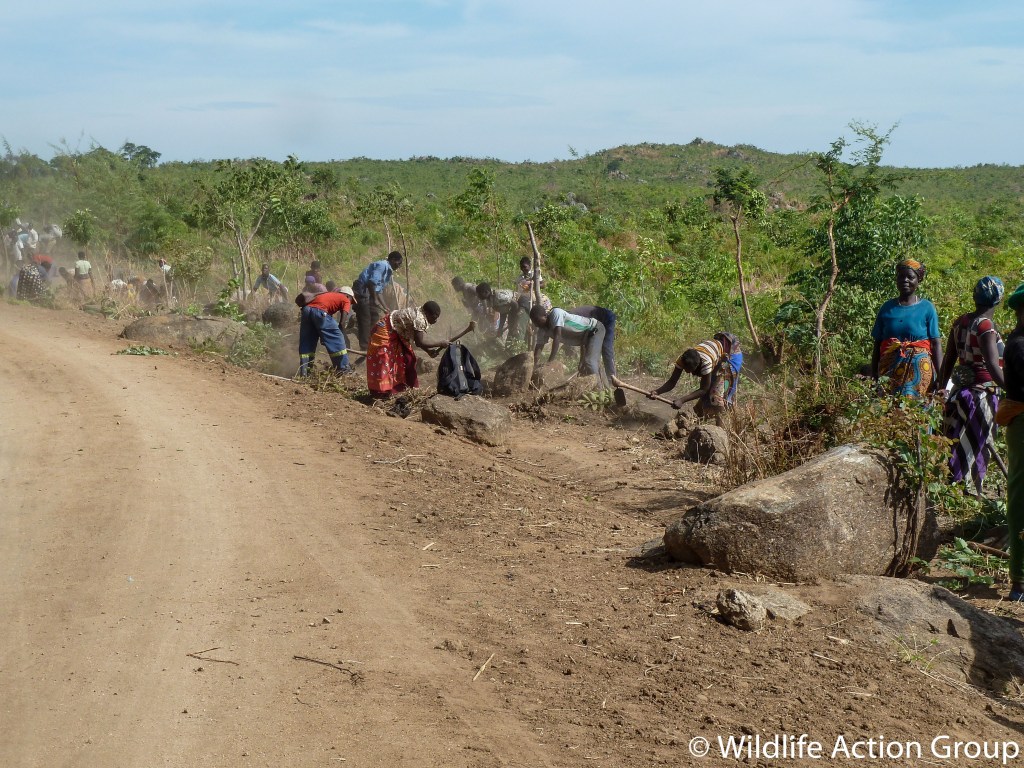
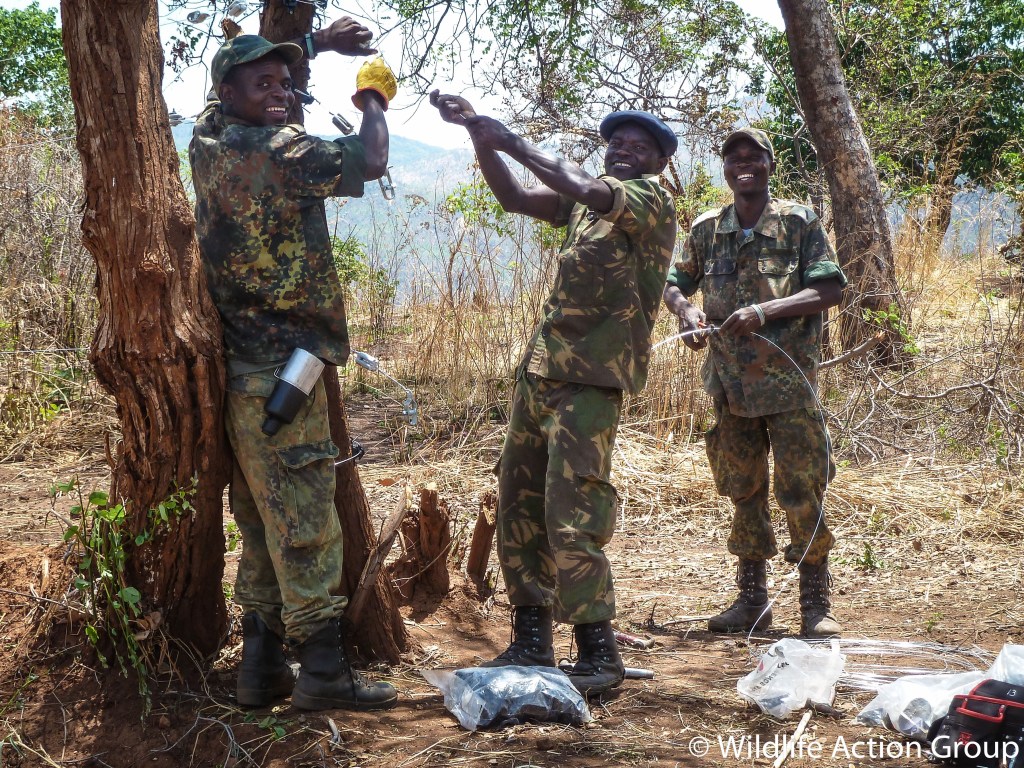
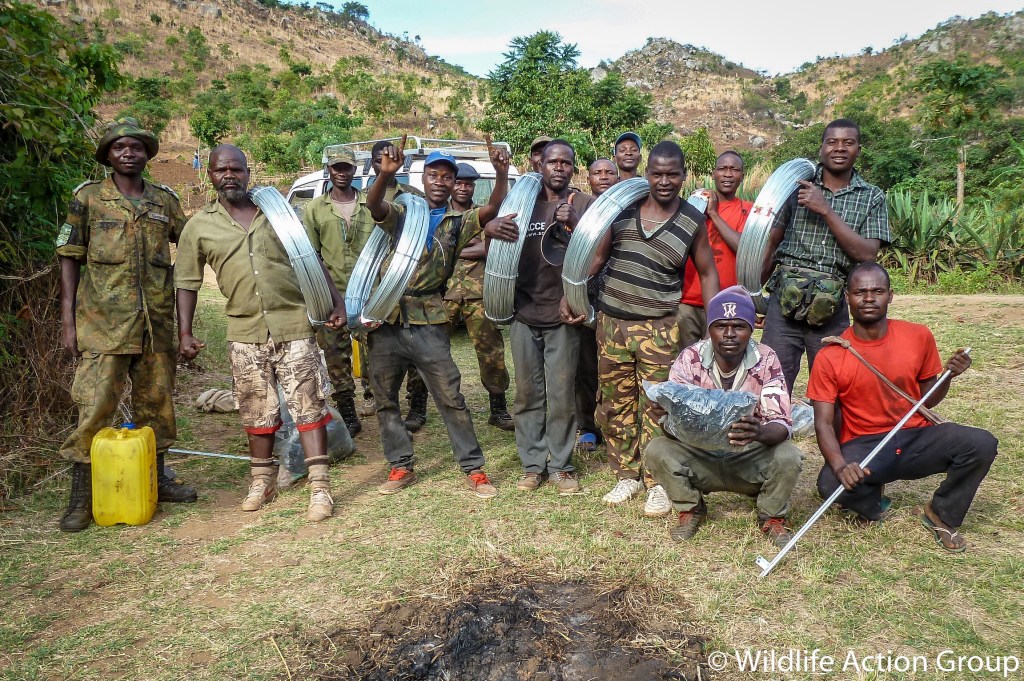
Following are photos from a previous fence construction project.
Clearing the fence line
WAG rangers working on the fence
Villagers preparing for the installation of a new fence
Nic is an Elefence trustee and a premier safari guide in Africa. This is just one of his stories.
To Dick Houston
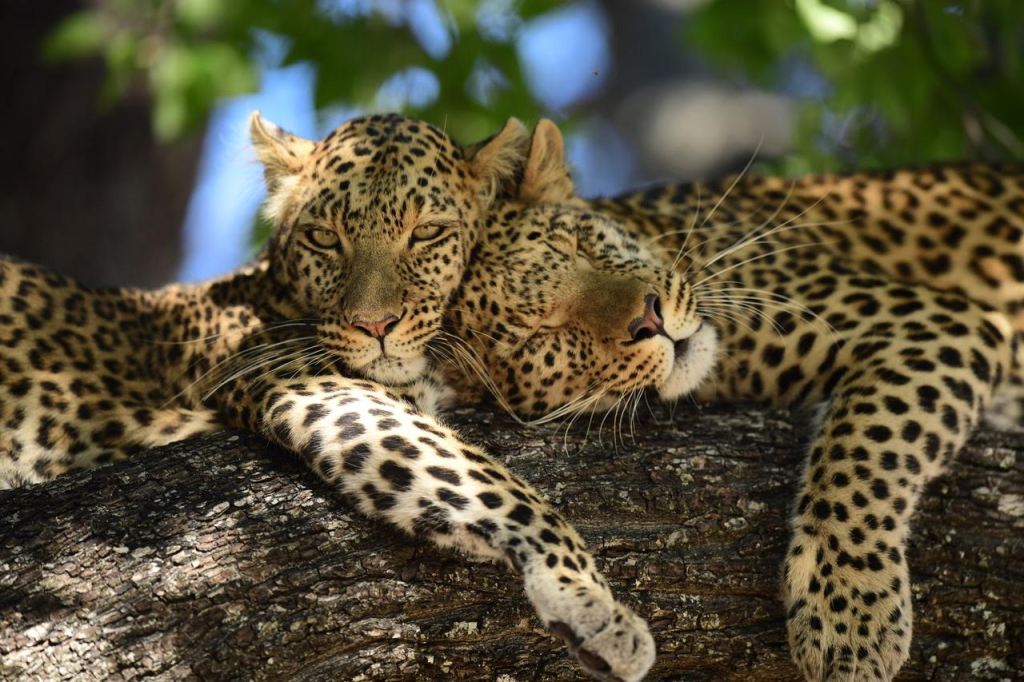
I have included one of my personal favourite photographs (And experiences) from the season. This female leopard, on the left, had just killed an impala, and instead of feeding, she hid the prey, then immediately went off in search of her two year old son who she had not seen in days. As soon as she was in the vicinity where she last saw him she began to call. At first her calls were soft, so as to not attract unwanted attention, the intervals long. She stopped, listened for an answer and then continued to weave in and out of the thick terrain. The tension was palpable, she had to find him, instinct drove her. As time slipped away her calls became more desperate, more frequent, louder and then she froze! Her ears picked up, her face changed, we knew she had heard a response even though we didn’t hear a thing. She sat down and then out of the thickets a young beautiful male leopard bounded out to greet his mom. Affectionately rubbing his head against hers, jumping all over her, rolling on the ground and then repeating the sequence over and over again. She then expertly climbed a tree and her son soon followed, lying next to her he licked her face, excitedly anticipating her next move. It wasn’t long before she led him back to the unfortunate impala who was to provide life to the next generation of big cats.
Nic, operates a safari company which has been recognized as one of the best in Africa.
Read more about Nic by scrolling down to our previous posts Introducing Nic Polenakis and What Makes a great bush Guide. We are fortunate to have Nic as one of our trustees. You can see more of his operation on his website myprivateafrica.com.
Stay turned for a major announcement coming soon about our next project.
Malawi was formally called Nyasaland and became independent from British rule in 1964.
Malawi is a unitary presidential republic with three branches of government consisting of the executive, legislative, and judicial branches. The president is both the Head of State and the Head of Government. So on a national level it operates very much as most constitutional democracies do. Out in the rural areas which covers most of the country things are a bit different.
The local villages are still very much tribal in nature with a village being controlled by a chief. A chief has significant power over how a village is operated as well as how it interacts with those outside. A chief receives the title from a lineage which passes down through the mother. Interestingly a woman can be a chief if no male heir exists.
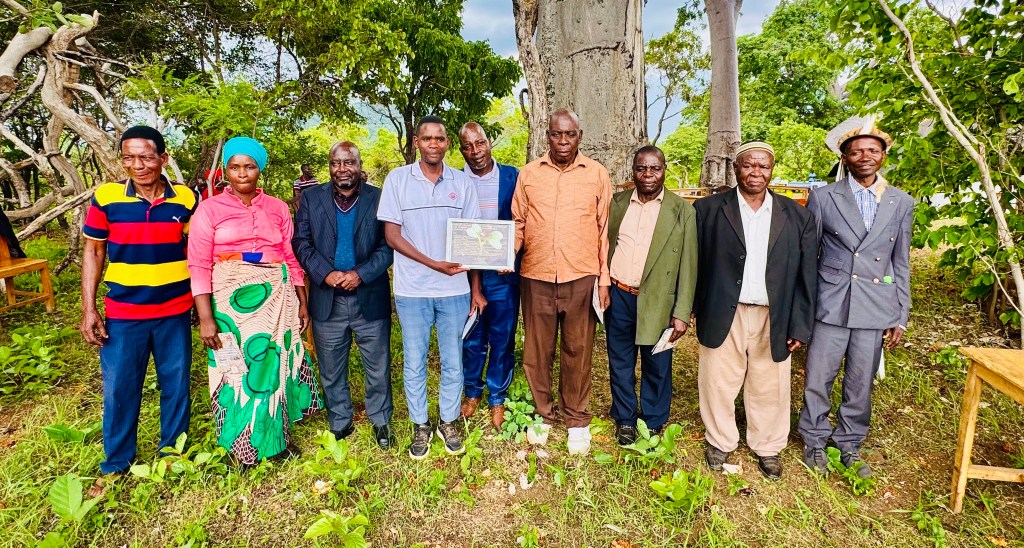
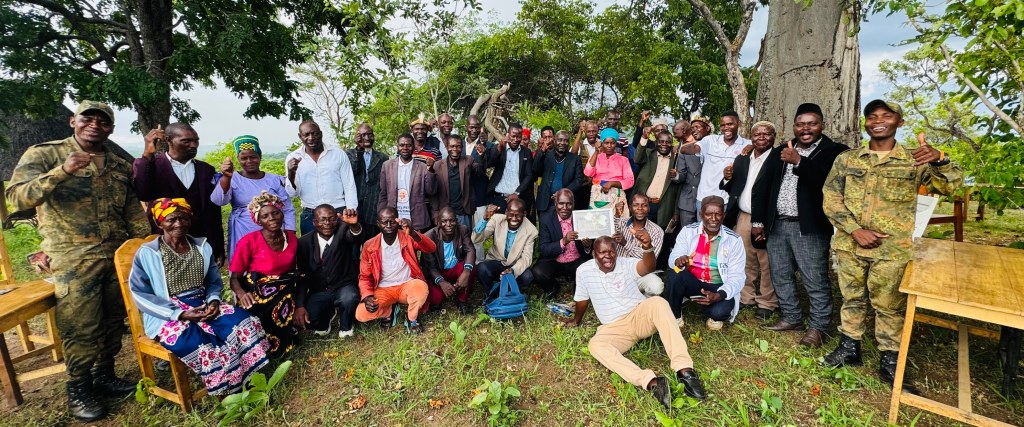
In 2022 Dick and I were privileged to attend a council of chiefs organized by Lynn Clifford the Field Operations Manager of the Wildlife Action Group (WAG). The meeting was called to discuss problems which existed in the villages and how they affected the two forest reserves. While we could not understand most of what was said each chief had the opportunity to speak about their situation. It was truly an opportunity to see how things work on a local level.
In late 2025 there was a coordinated attack on the forest reserves resulting in the slaughter of wildlife, the cutting of trees and destruction of part of the fence. It was most likely organized by criminal gangs supported by some of the local population. The WAG rangers are not equipped to handle a large-scale assault like this and the local police were called in to put down the incursion and restore order.
In order to prevent this again Lynn called a chiefs meeting from the affected areas. Most of the local population supports the WAG efforts to protect the forests and appreciates the help that WAG provides with agricultural advice, livestock support, water wells and education of students. At the meeting individual chiefs were asked to sign a pledge to support WAG’s efforts and assist with the reporting of criminal activity and participating in conservation efforts.
The pledges were physically signed by individual chiefs and were not some empty promises. A signed pledge by a chief had strong cultural significance and violation of the oath was regarded as shameful and rarely breached. The hope is that these pledges will prevent any occurrence of intrusion into the reserves.