Message from Lynn Clifford, WAG Field Operations Manager

This is a summary of an email we received from Lynn upon returning to Thuma Forest Reserve after a holiday back in her native country of Ireland. We were becoming concerned as we had not heard from her in several weeks.

“Sorry for the lack of response but my holiday turned into a remote job. Spent 2 weeks fundraising which was good but we did not meet our target for salaries and operations. That along with family sickness and a death in the family consumed all of my time.

I am back 5 days and it has been nonstop trying to resolve urgent things. 3 vehicles off the road with serious issues, 5 serious staff health crisis (one whole day taking them to doctors and hospital but we saved one’s life so it was worth it).

Poaching has risen sharply and we are overrun with wildlife and forest crime. It is scary and we have lost 4 rangers who have resigned as they feared for their lives. (See our earlier post about how being a forest ranger is one of the most dangerous job in the world).

We have a new president and things are changing rapidly. School fees, governance, sugar etc are hit with rapid prices. Fuel alone is up 33%. Beer too for which I am not happy.

The new government is stopping any child who has not done well from going on to high school even if they can afford it. This, however, is giving us an opportunity to promote 2 excellent students to go to a top government school. The drawback is that it is much more expensive but we believe it will be worth the extra cost. Of the 10 students we sponsored last year in secondary school 8 sat for different final exams and all passed. 1 failed and will repeat and one girl has not returned to school.

Fence materials have arrived – yippee – I spent Friday in the city clearing customs and transporting them to HQ. (We will have a report in the future about Elefence’s contribution to the next phase of construction).

We reintroduced Zebras before I left and they are doing great. One herd hangs around the lodge and the other around the HQ camp. Today I saw with my own eyes for the first time eland and nyala …..so exciting. We hope to get new ones reintroduced next month and after that my dream …. leopard.

A critical issue is that fertilizer costs have skyrocketed and we are short $3000 to purchase what is need for many local families. Anything you can do will be much appreciated.” ( Note: Elefence is going to fund $3000 from our generous supporters toward this cost. Planting season begins in December before the rains come. Without adequate fertilizer the yields will fall significantly making starvation a real threat.)

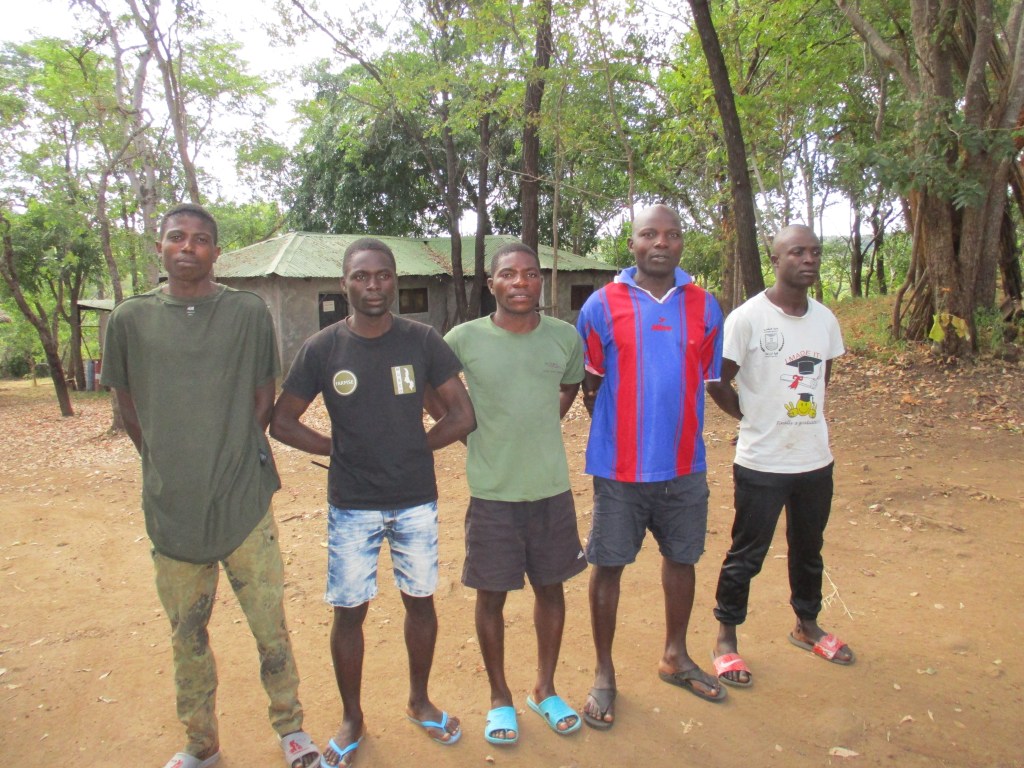
Lynn with her dedicated rangers

TRAIL CAMS

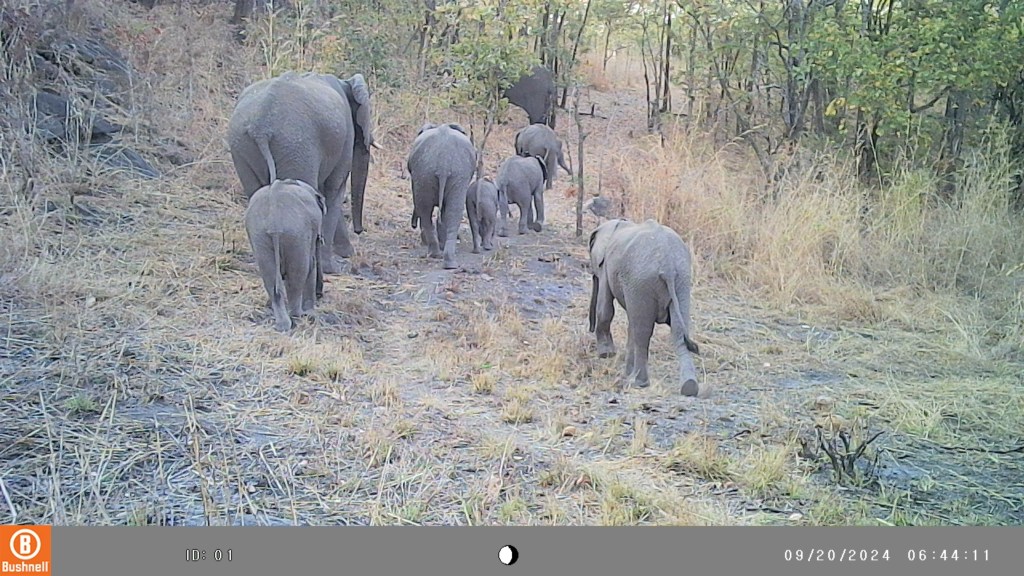
As you may remember from our earlier post this year Elefence delivered 10 trail cams along with rechargeable batteries and memory cards. The cams were a significant upgrade to what WAG had been using and it was double the number of cams they had. The new cams give very clear pictures and take infrared photos in the dark. Cams are invaluable to keep track of wildlife and even record illegal entry and poaching in the reserves which provides evidence if a criminal is apprehended. The group of our supporters were instrumental in funding and delivering the trail cams and even went out with the rangers to do some installs.

Lynn is just beginning to get some pictures back and downloading them to the new laptop we also delivered. She will then begin to sort and analyze them for animal counts and tracking their movements which is vital for monitoring the health of the forest and its wildlife. The photos below are just the first what we expect will be many more.

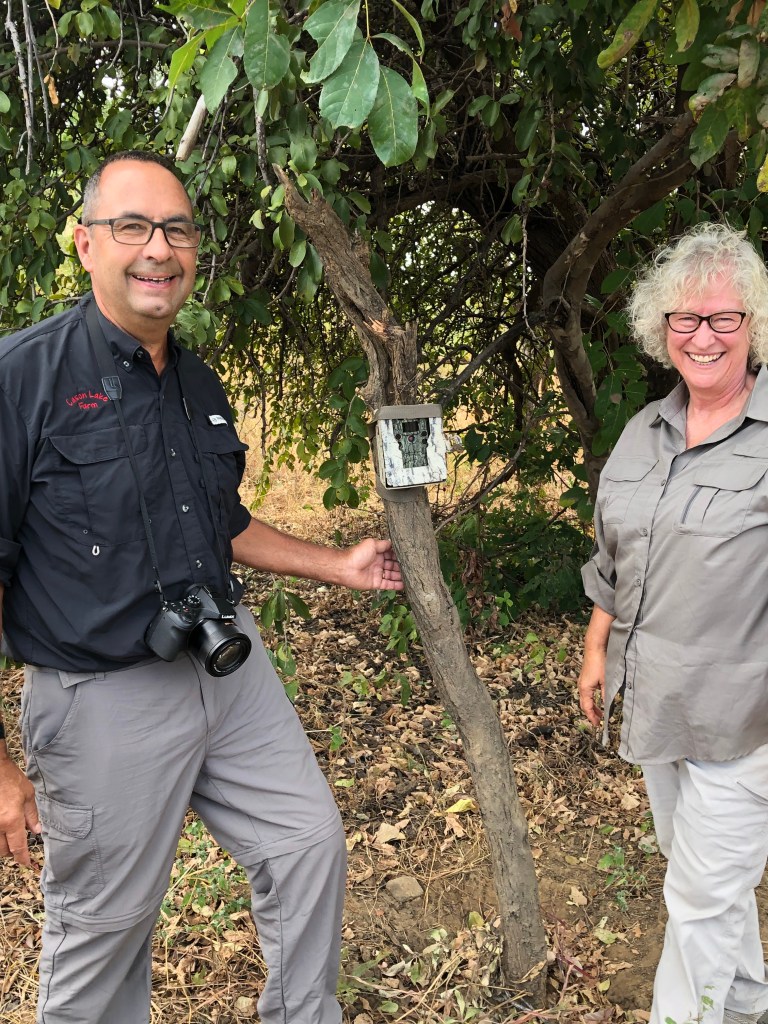
Our supporters, Greg & Kathy Housel who helped fund and deliver the trail cameras in the bush with one of the new cams.

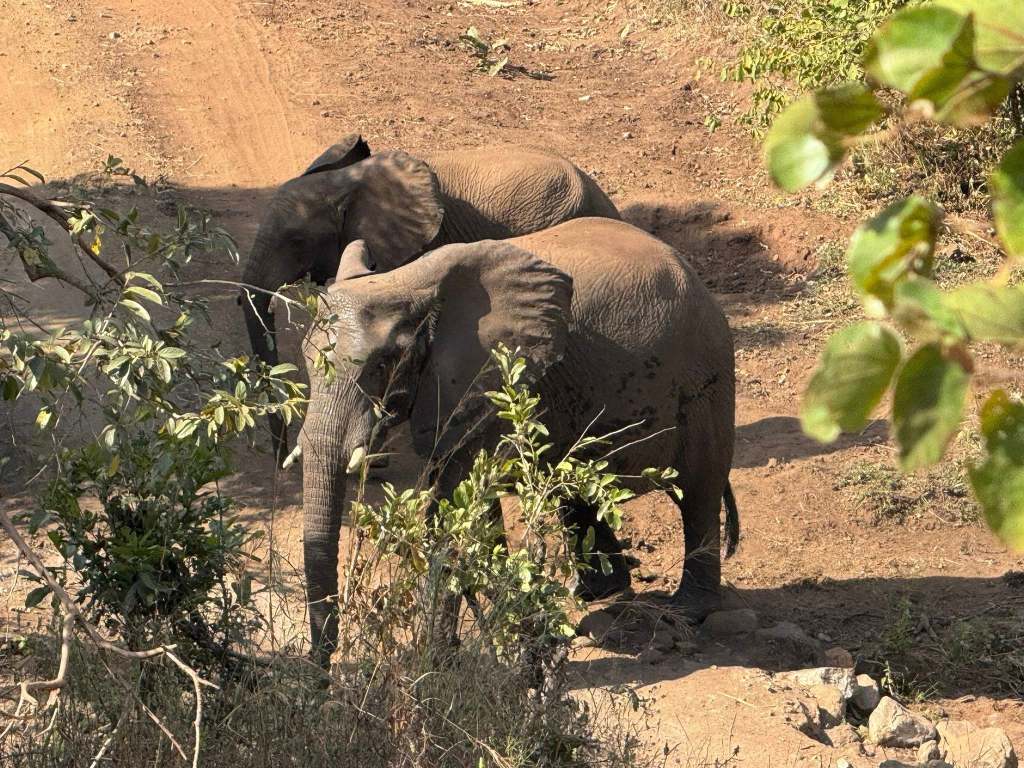
So good to see a healthy family of ellies in the bush.

Hyenas in the dark.

ELEPHANT COMMUNICATION

At one time there was a theory proposed that elephants were telepathic because they seemed to be able to coordinate their actions and movements when they could not see one another and did not make any sounds. Elephants would be spread out feeding and would all stop, come together and move off in one direction. If there was a predator in the area they would gather and surround the young ones to form a protective barrier. Of course we know now that they are not telepathic but they do communicate in a variety of ways.

When we were on safari we were in a blind beside a waterhole and I could hear low rumblings coming from the elephants. I asked our guide if that was their stomach and he said ‘no, they are talking to one another’. Elephant researchers have recorded these sounds and when they played them back individual elephants responded. It is like the sounds are directed to specific individuals.

Elephants also produce ultra low frequency sounds; sounds which are below the range of human hearing. ULF sounds can travel up to 6 miles and elephants within range can hear and interpret these sounds.

Elephants also can communicate seismically. Their feet are very sensitive to vibration and they can feel other elephants when they move, especially if they are moving fast. On hard ground these vibrations can travel up to 10 miles.

Elephants communicate visually too. Waving their trunks or flapping their ears signal other elephants as well and give a clue as to their level of stress or agitation.

Elephant researchers have recorded over 100 individual sounds are are discovering more all the time. We don’t know what they are saying but there is not much doubt they do communicate.

Elefence Scholarships

A notice from our president, Dick Houston

Trustees and friends of Elefence

Next week I’ll be wiring $1750 for Elefence’s project to pay for scholarships for 10 students at village Chilumba School.

We pay for the high school age students’ tuitions, required uniforms, backpacks, books, new shoes (most Malawi school children go to school barefoot), lesson tablets, and pens and pencils. Without our support, these students would have to drop out of school.

Who knows what the future holds for these dirt poor kids. But now they have a promising chance at life. Shoes and dignity have been put on their feet. Seeds have been planted.

We plan to fund this scholarship program every year.

Dick🐘

Footnote: Lynn Clifford, the WAG Field manager, administers the details of the students who receive the scholarships in coordination with the teachers and the student’s parents. She is averse to just handing out money for these scholarships so she pays up front for the students supplies and clothes along with the first semester tuition. The student’s parents must then work for WAG to earn the other half of the scholarship. The work includes things like preparing food for the rangers or mending their uniforms, keeping the camps in good order or clearing trails. This policy gives the parents a real sense of accomplishment in securing a better life for their child.

We will have photos of the students as soon as he new school year begins

Charcoal Conundrum

As we have stated on our opening page the production of charcoal is the primary driver of the destruction of Malawi’s forests. Malawi has no significant natural resources, i. e. gas or oil and no significant amount of minerals. It produces little of its own electricity which it must purchase from outside the country often causing blackouts and shortages because it cannot pay for it. The only fuel for cooking or heating comes from charcoal which is produced by cutting trees and heating the wood in crude kilns. This is totally illegal but the government does not enforce it since there is no viable alternative for its population.

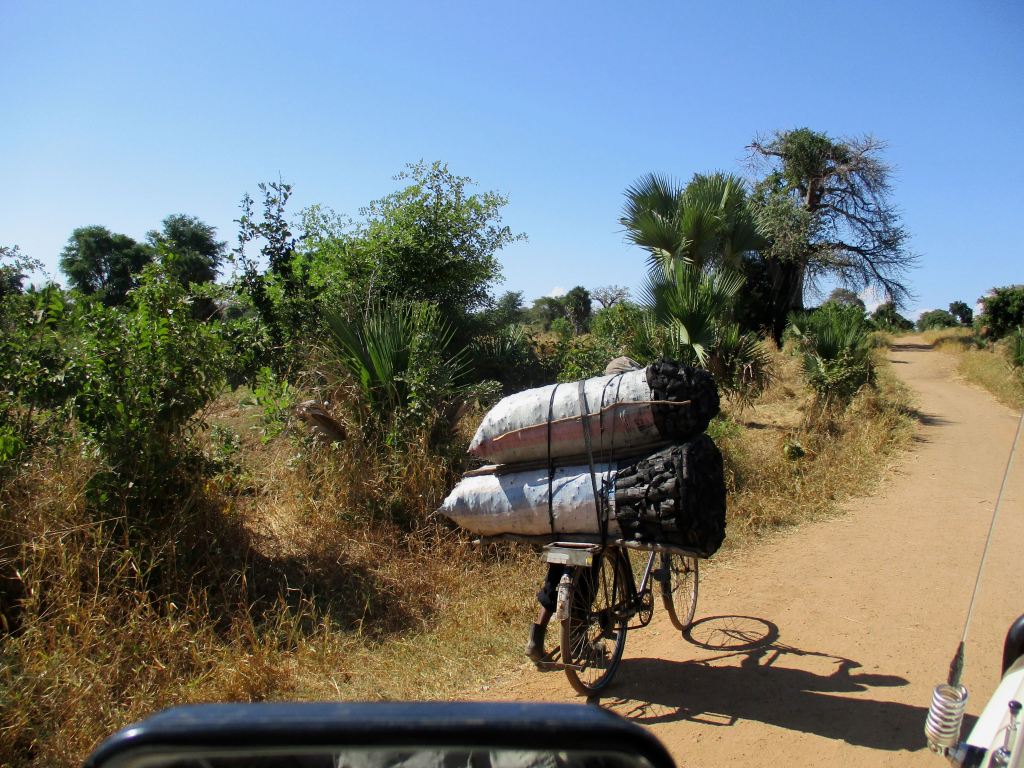
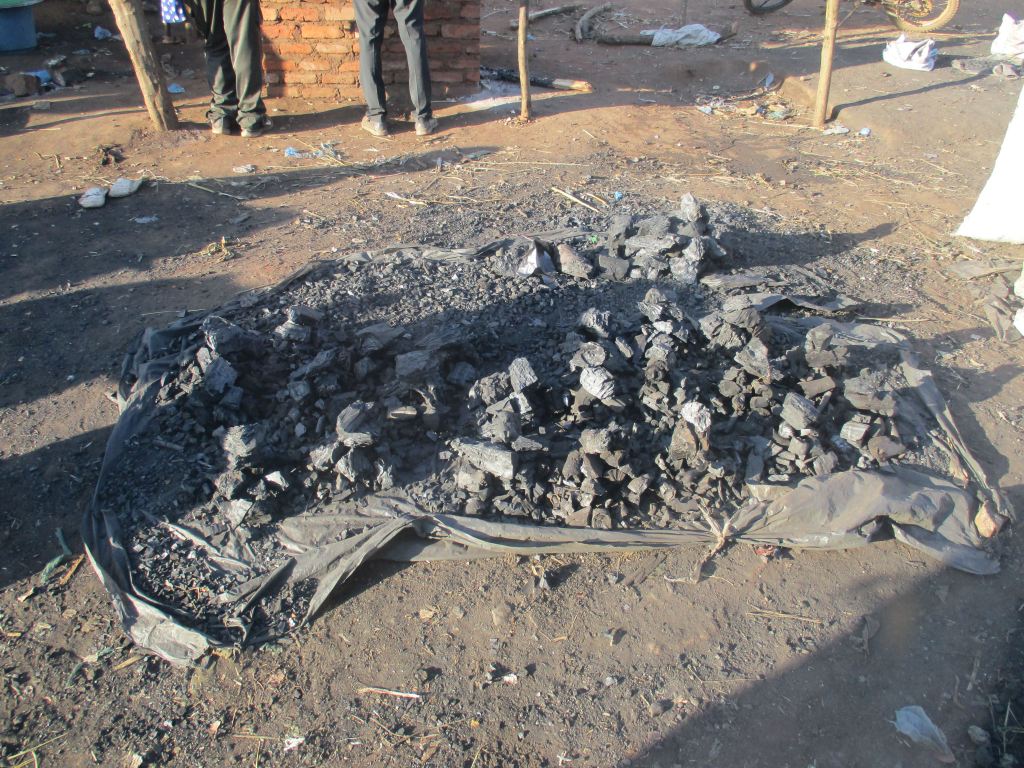
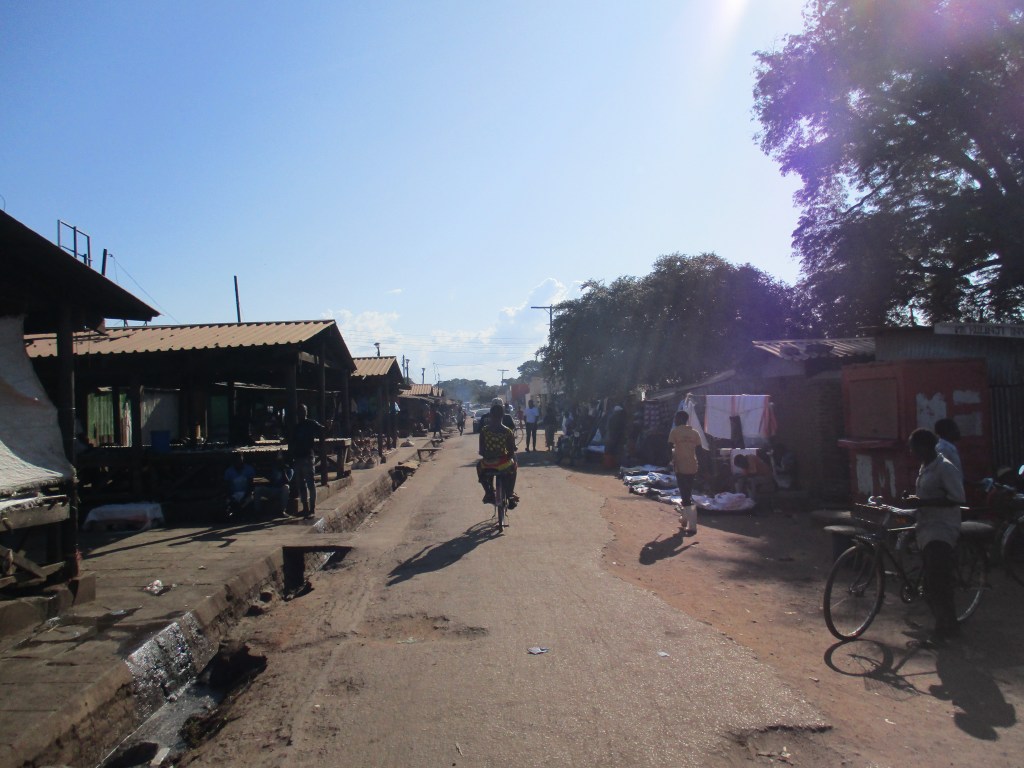
The charcoal is produced in remote locations and then must be transported to population centers for sale. Every day we saw individuals pushing loads of charcoal stacked high on bicycles. The men doing this would push the loads 6 – 10 miles, up and down hills and be paid a pittance for their efforts. The charcoal was spread on the ground and sold in small bags to women who could then go home and cook a hot meal for their family.

Malawi does have abundant sunshine and solar ovens are an alternative but the cost is prohibitive. There has been discussions about community solar ovens for cooking and baking but as yet there is no way to fund them. So for now the country continues in this death spiral of stripping itself of its beautiful forests.

A bright spot is the commercialization of bamboo which grows naturally in Malawi and is abundant. Villages are planting stands of bamboo which can be used as a fuel directly or made into charcoal. Villagers can secure a permit to go into the forest and harvest bamboo for a variety of purposes not the least of which is construction. Of course a ranger must escort them and stand guard to protect the workers from elephants and Cape Buffalo. Bamboo is light, strong, long-lasting, takes almost no care and grows quickly. Efforts are foregoing to expand the use of this versatile material.

RELIGION IN MALAWI

Malawi is a predominantly Christian country with 87% of the population identifying as Christian and 12% as Muslim. The largest denomination is the Roman Catholic Church which has had a presence in Malawi for 150 years. The second largest is the Church of Central Africa Presbyterian. There are several smaller Presbyterian denominations as well as a smattering of Anglicans, Lutherans, Baptists, Seventh-day Adventists, Methodists and evangelicals.

In traveling around the country we saw any number of small church buildings for all the different denominations. For the most part most of the Protestant churches looked somewhat seedy and poorly maintained but that may be just the fact that Malawi is such a poor country. In contrast, however, the Muslim churches were brightly painted and well kept. It was easy to pick out the Muslims walking the streets with their long robes and small hats. We were told that the two groups got along well and there was almost no conflict between the two. There is a lesson there and one more reason that Malawi is called ‘The Warm Heart of Africa’.

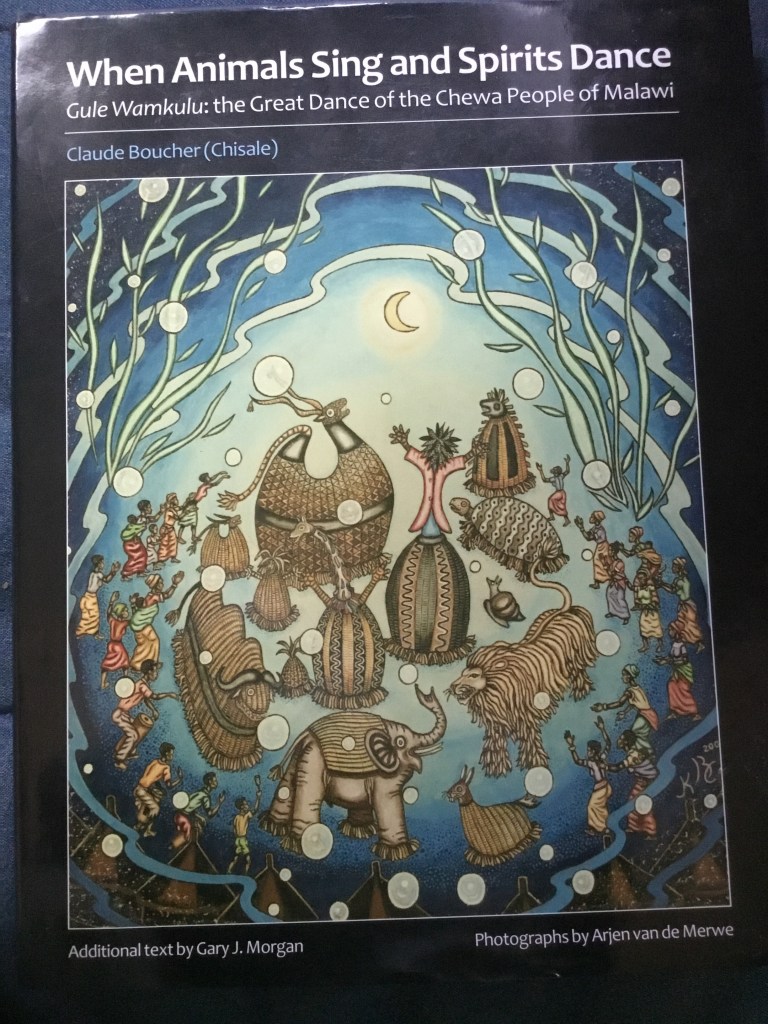
Lynn took us to one of the oldest Catholic churches where we sat and talked to Father Claude Boucher, an old priest who had been there over 50 years. He told of stories of the early days of his time in Malawi where the lions would come out of the forest at night and walk around the mission which was quite small at the time. Everyone slept on the balcony to be safe from the lions at night. The lions are now mostly gone with the deforestation which has ravaged the countryside. He was somewhat bitter as the church was forcing him to retire and were pushing him aside. He had been offered a place in a retirement home back in Europe but he wanted to stay in Malawi until he died. He has written one book about the Malawi people and is working on his memoirs. Lynn is quite close with him and tried to console him about his recent forced retirement.

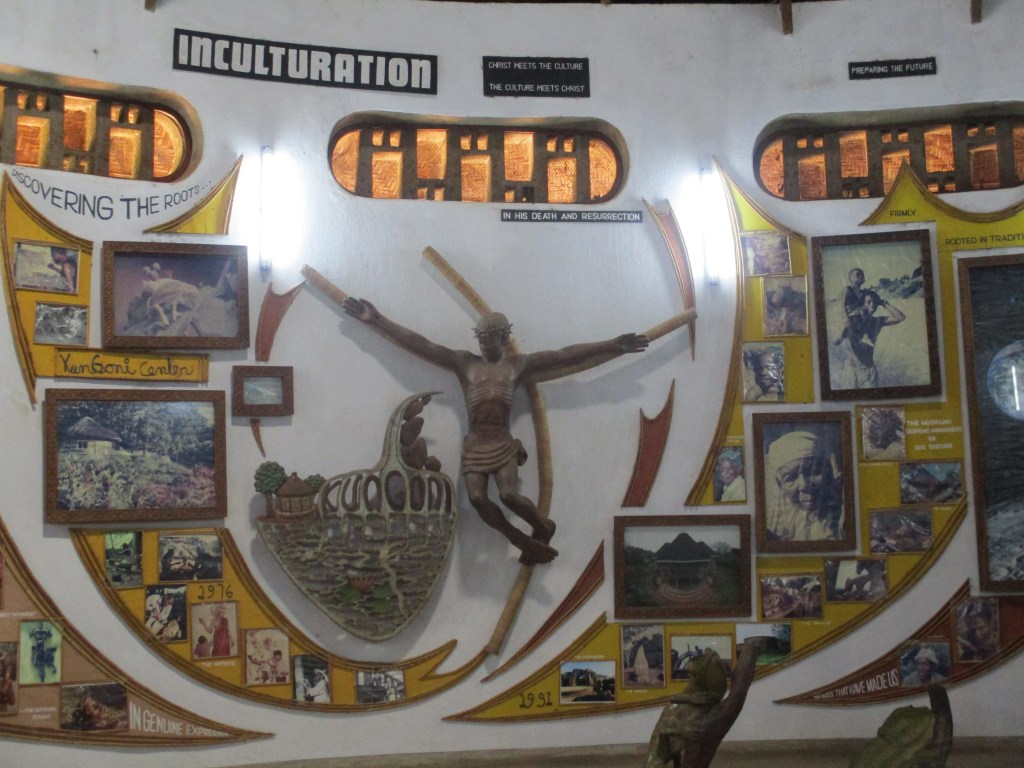
The Catholic church building was quite large and well kept. They had dedicated a whole room with a great many pictures about Malawi history. We toured the room with a man who explained all about the numerous pictures but unfortunately with my bad hearing I missed a lot of it. I was impressed by the stylized depiction of the Crucifixion of Jesus which had definite African influence. In their gift shop was a nativity which was beautifully done and positively African in design. I desperately wanted to bring it home but I knew it would not survive the trip.

Malawi visit June 2025

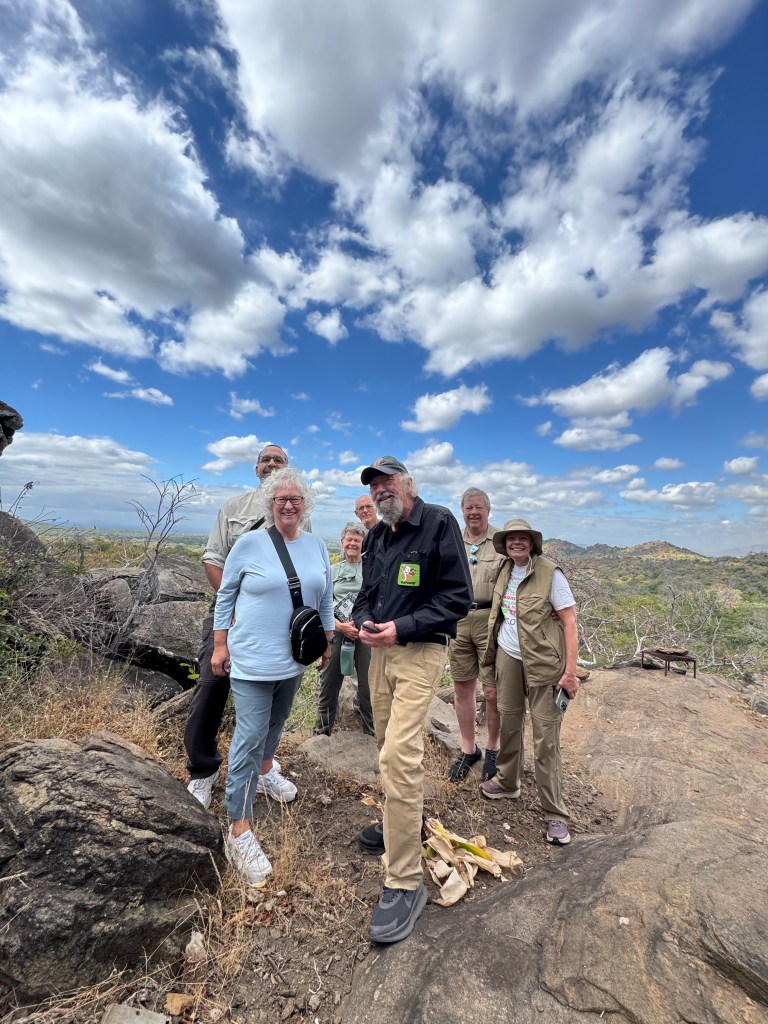
A few weeks ago our president, Dick Houston, coordinated and led a group 6 persons on a trip to Africa. The group consisted of Elefence co-founder Bruce Lowe and his wife and 2 other couples. The group spent 5 days at the WAG safari lodge and visited a school, villages and saw the work being done by the rangers.

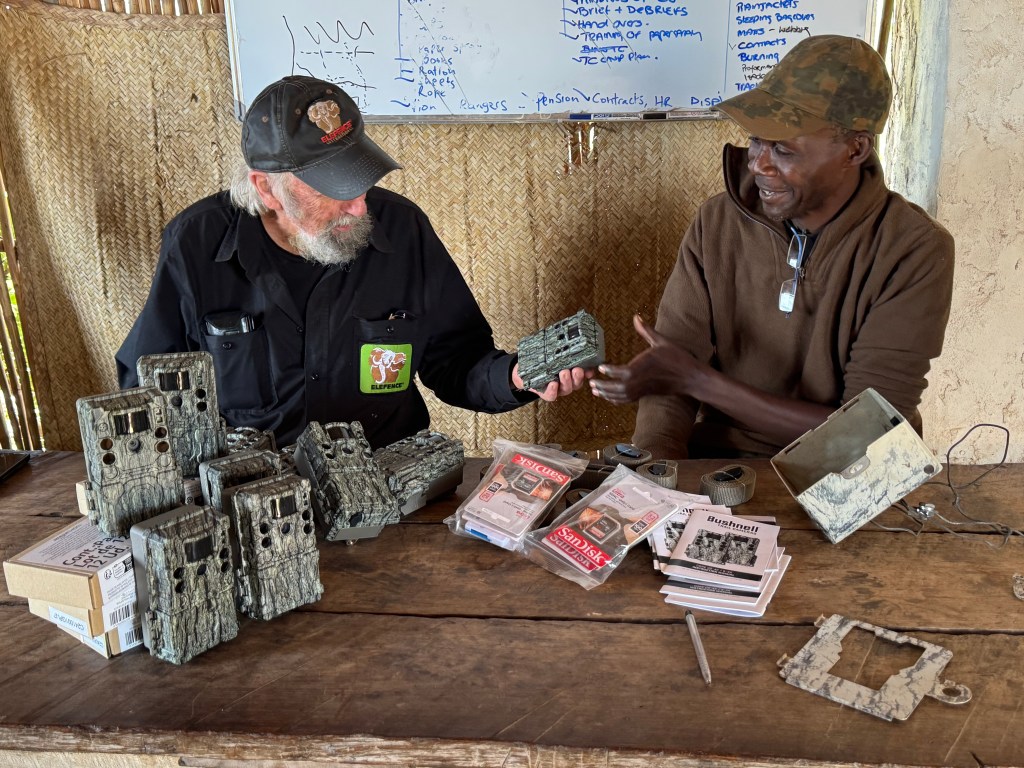
Dick carried with him a new laptop computer & case ($450) for Lynn to upgrade her system requirements to keep track of all the data, photos and charts required to keep things operating smoothly. He also brought 10 Trail Cameras, plus memory cards and rechargeable batteries for the cams ($1850). Trailcams are necessary to record animal movements and counts and in some cases provide information on illegal activities in the reserves. The cameras are equipped with removable memory cards which are brought back to the office for evaluation.

Dick giving trail cams to a ranger

The laptop, cameras and accessories were made possible by donations by individual Elefence supporters.

The group also toured the new WAG office and storage facility. The facility was powered by a 8 kw solar system again made possible by a generous donation from a supporter at a cost of $18k. The new facility is a huge improvement over what WAG had to use for operations in the past.

Old WAG Office
New Office & storage facility under construction.
Solar controller and batteries

While they were there the three couples stayed in the new lodge and said it was great. Dick stayed in the ranger base camp. All visitors paid their own expenses.

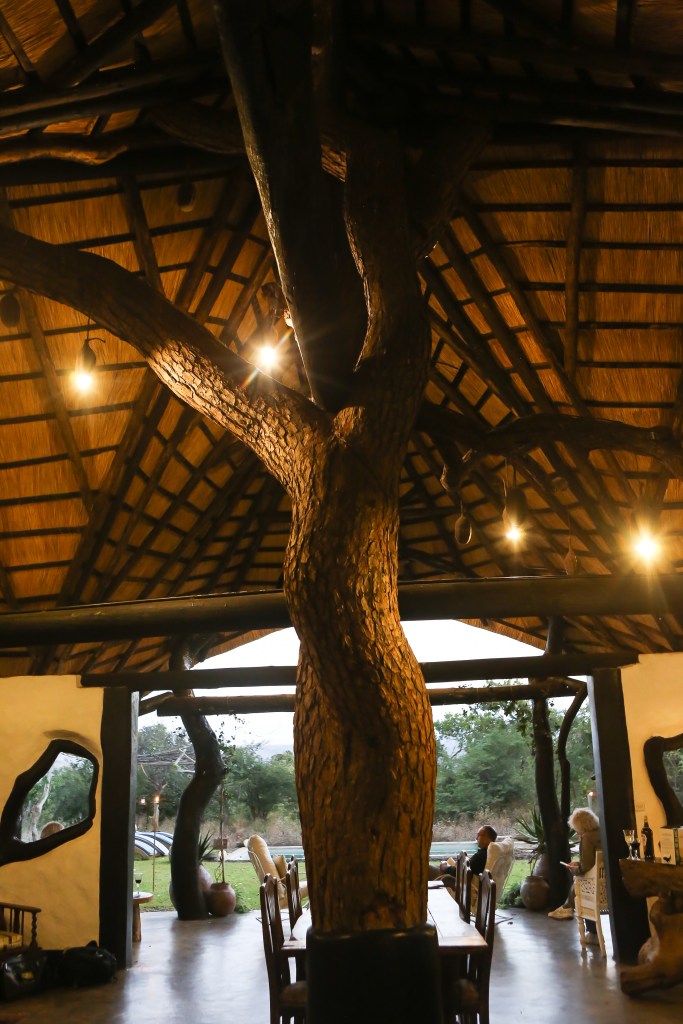
The center of the lodge. Elephants walked by often.

The group came away with a much better understanding of WAG’s efforts and especially the dedication of its manager, Lynn Clifford. Lynn has committed her life to saving the two forest reserves and improving the lives of the local people.

MALAWI TRIP PART 3

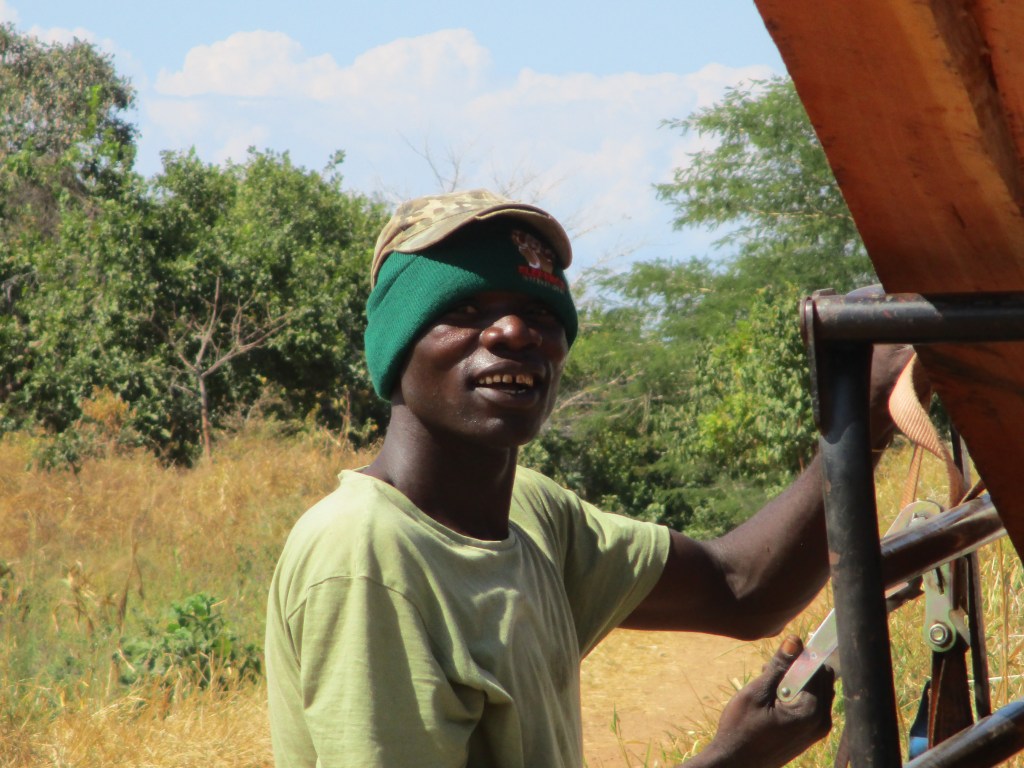
For our trip we wanted to take something for the WAG rangers. In communicating with Lynn she suggested we bring some ‘beanies’ or what we call stocking caps. Winter in Malawi can get cold, especially at night when the rangers are on patrol or stationed at one of the satellite camps throughout the forests. We contacted a local company to produce these with the Elefence logo on them. A couple of our loyal supporters stepped up to fund the purchase. We passed them out to as many of the rangers we encountered and left the balance from the original 50 with WAG. The rangers seemed to appreciate them and some even wore the on a couple of warm days.

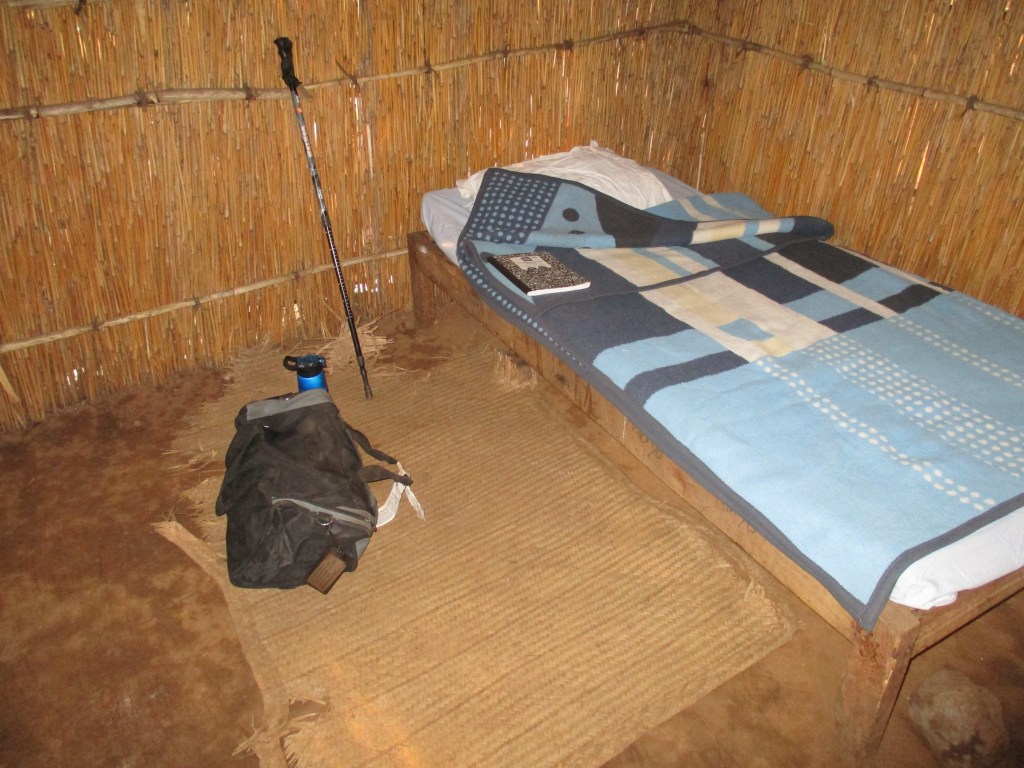
On our second day in camp we went on a pangolin feeding bush walk with the rangers. A description of our walk is in an earlier post in the blog. While we were on the walk a radio call came in telling us to come back to camp because MR. M was coming. We did not know who he was but figured he must be someone of importance. We jumped into the Land Cruiser and bumped our way back to camp where we discovered MR. M was an elephant, so named because he had what looked like a M on one ear. I could not see it. The video below was shot from my hut. I remembered that I had heard something big outside my hut in the middle of the night but I elected not to go out and check. Of course my grass hut would not offer much protection as an elephant could walk through it without any trouble.

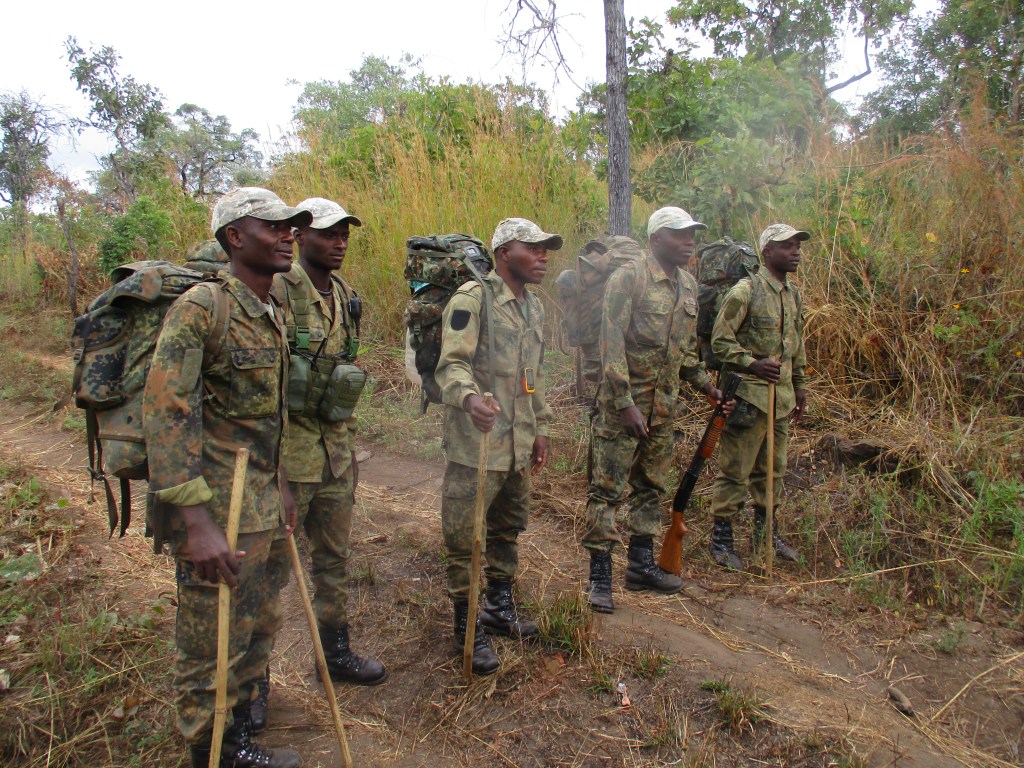
One afternoon while we were in camp a tip came in that a poacher was operating in Thuma forest. A team of rangers were called up to investigate. They suited up and we ferried them out into the area where he was reported to be operating. The rangers carried large packs and they were to spend three days in the forest patrolling and watching for the poacher. They caught him on the second night and he was brought in for trial. Unfortunately he had already killed a warthog but he will be going to prison for a long time as Malawi courts hand down some severe penalties for poaching.

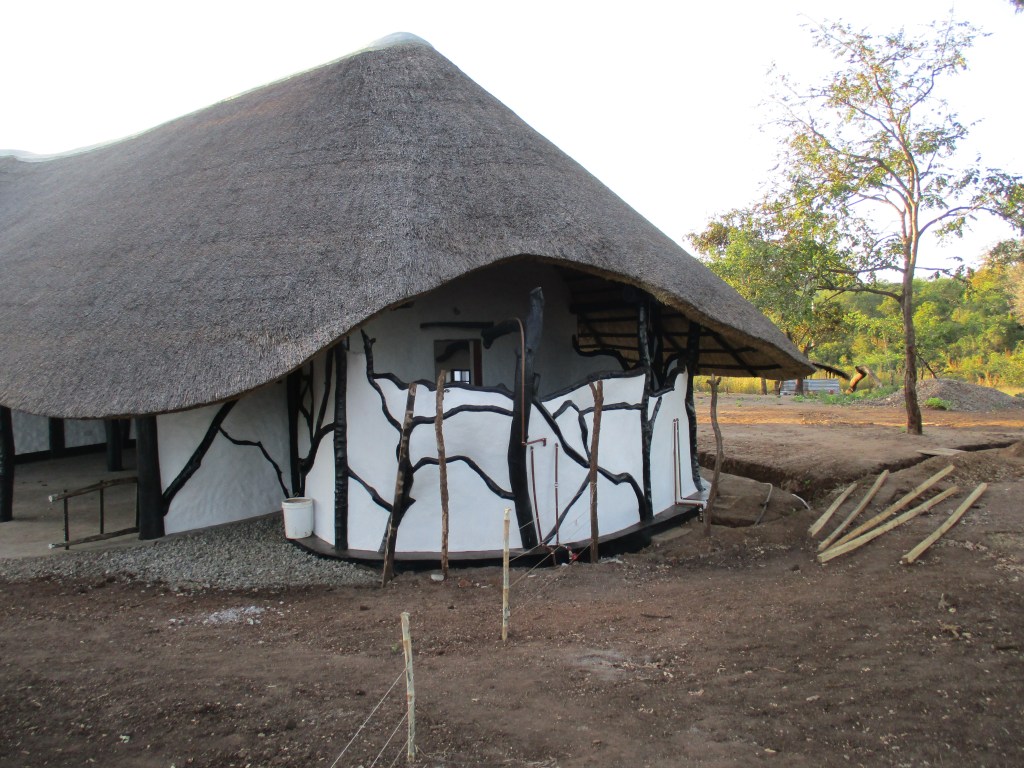
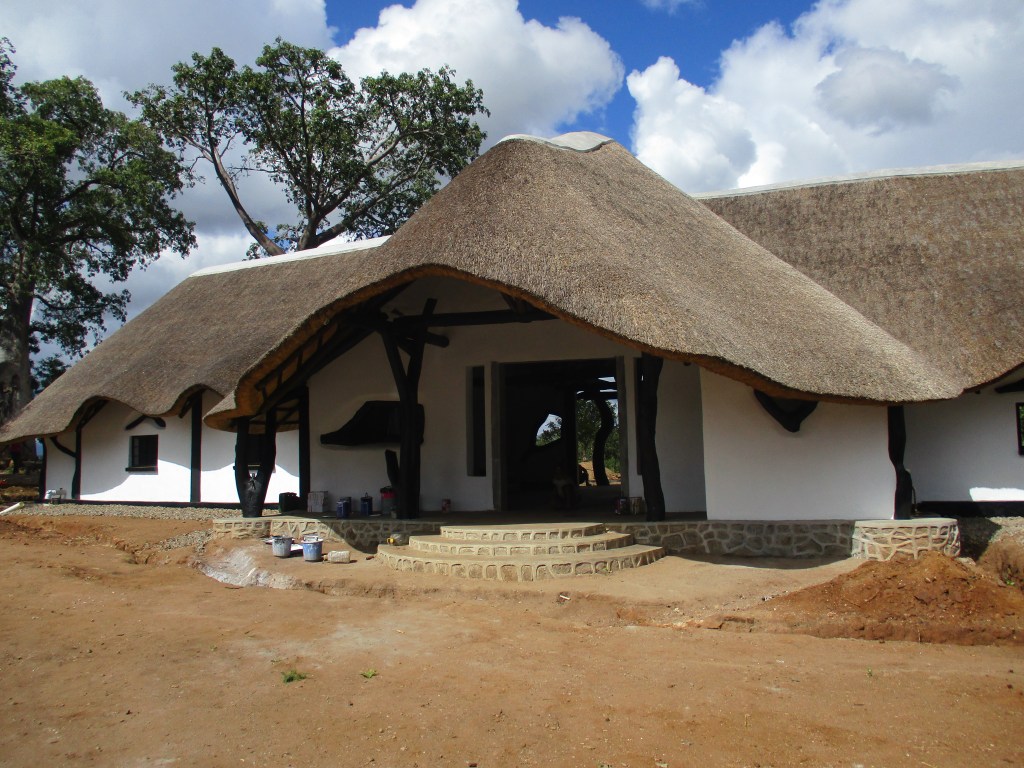
We made several trips to the lodge being built to attract tourists to Malawi. Lynn is directly supervising the design construction and it will be beautiful when complete.

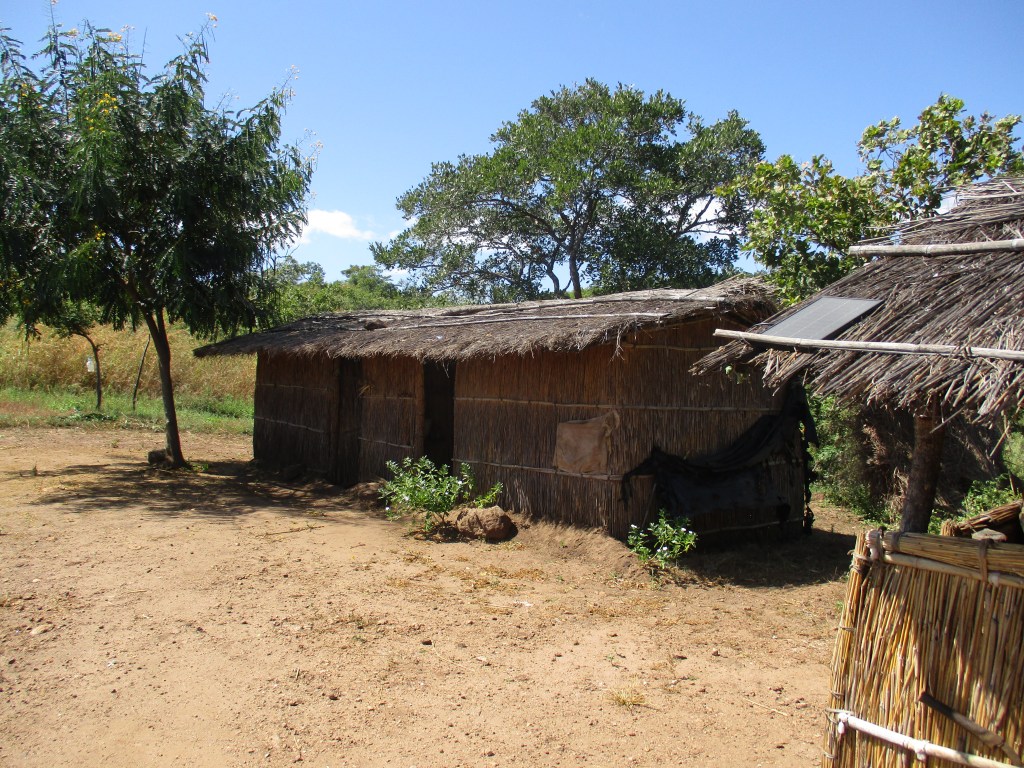
We went to one of the ranger satellite camps in the forest and spent a night. These camps are even more spartan than the base camp but it gave us more appreciation for the dedication of the rangers.

We went to the local market in Salima. It looked like there was a great deal of produce available but Lynn reminded us that this was right after harvest so things looks pretty good. Unfortunately there is little in the way of preservation so what is not consumed quickly will go to waste.

We left Malawi with a much better appreciation for the work being done by WAG. The crushing poverty we saw was depressing but it was offset by the spirit of the Malawi people. For much of the time Dick, Lynn and myself were the only white people we saw but I never felt any animosity from the locals. As we rode along through the villages the people would wave and the children would run out to the road and jump and clap. Malawi is called the “Warm Heart of Africa” and I can see why.

The Wag proved:

Stay tuned for a major announcement!

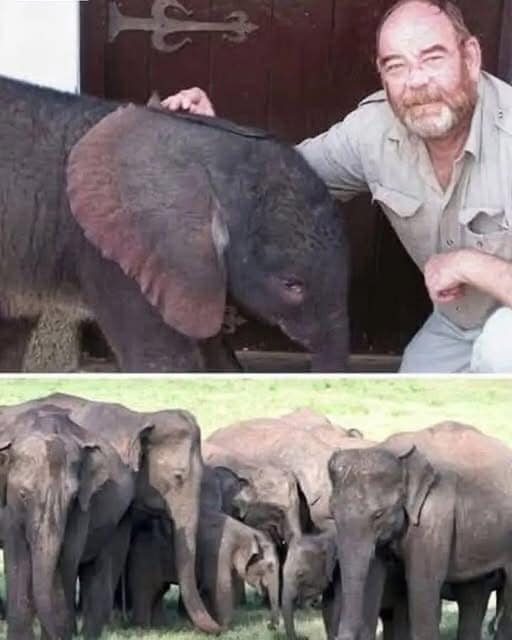
ELEPHANT WHISPERER DEATH

No one called them. No one told them. But they came.
On the day Lawrence Anthony known as The Elephant Whisperer died in 2012, something unexplainable happened in the heart of South Africa. From miles deep in the wild, a herd of wild elephants began walking slowly, purposefully, to Thula Thula, the wildlife reserve he had built with love.
They arrived in silence.
They came in mourning.
They stood vigil for two days beside his home grieving the man who had once saved them from being shot and destroyed.
Anthony wasn’t a trained elephant handler. In fact, when he took in a rogue, dangerous herd, most thought it was a death wish. But he earned their trust, especially that of the matriarch, Nana. Through calm, courage, and heart, he gave them a second chance and became family.
And they never forgot it.
What made this moment so powerful wasn’t just the timing. It was the way they knew. The way they came back. For years after his passing, the elephants returned on the anniversary of his death, standing again in silent remembrance.
Some call it coincidence.
Others believe it’s spiritual instinct.
But to those who saw it, it was something far greater a soul-deep connection between a man and the wild creatures who felt seen, protected, and loved.
Lawrence Anthony’s legacy is more than conservation. It’s about the unspoken bond between humans and animals proof that love, respect, and compassion don’t need words.
In memory of Lawrence Anthony (1950–2012)
Protector of the wild.
Friend of giants.
Forever whispered in the footsteps of elephants.

As printed in National geographic

We suggest you read the book The Elephant Whisperer to learn about the man and his incredible devotion to saving elephants.

ANTI POACHING EFFORTS ARE WORKING

By Lynn Clifford of Wildlife Action group

Elephant moms are the ultimate caregivers.
Historical the elephants in Thuma have been very secretive and very rarely show themselves to people or cars due to terrible poaching over the years.
But this is changing and we are thrilled to have regular sightings of bulls and breeding herds who are choosing to either come close to camps or/and allow cars to be somewhat near them
I was honoured yesterday to be allowed to watch from a small distance while this threesome drank from a stream.
Watching this mom with her two off spring reminds us how they raise their young with love and wisdom by moms who fiercely protect them.
These gentle giants are true queens of motherhood and I am humbled that they allowed us to be so close to them.