By Dick Houston, President, Elefence International Inc
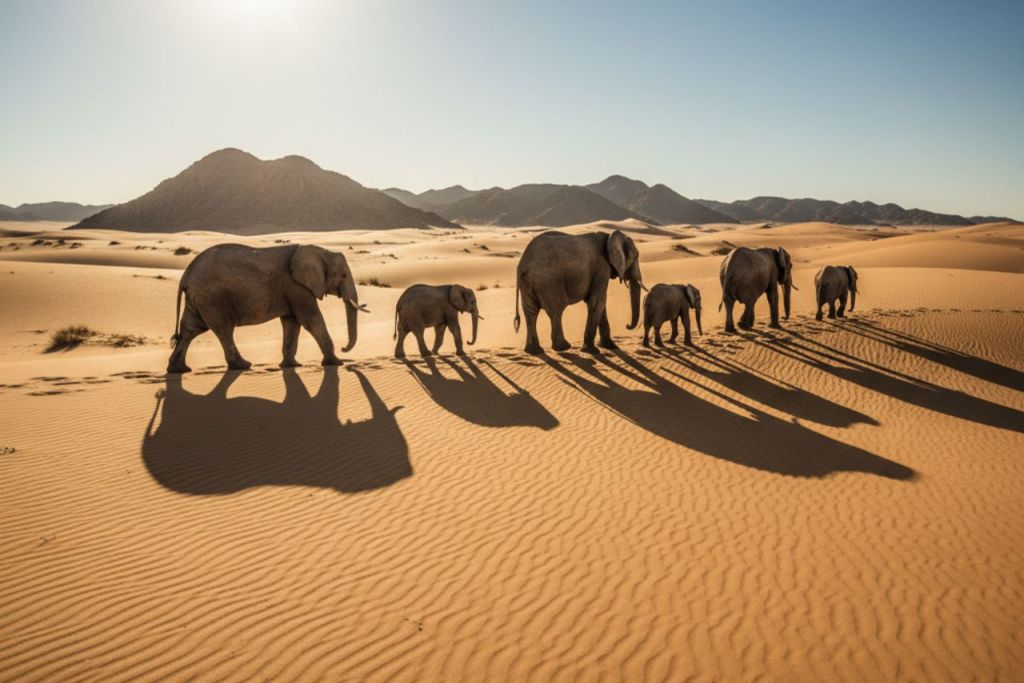
For new readers of the Elefence BLOG, here’s a brief background of the African elephant conservation projects of Elefence International, Inc. for the last 28 years.
We are a registered USA non-profit charity that focuses on projects that safeguard African elephants, their habitats and their land’s biodiversity — And people projects by safeguarding the villagers who coexist, side-by-side, with elephant habitats
Our Elefence Logo perfectly shows our mission in this image. Notice, look again: the logo is not just of an elephant.

For nearly three decades we have formed successful conservation African partnerships in Zambia, Zimbabwe, and now Malawi.
Our generous donors, old and new, continually help change the lives of endangered elephants and the impoverished villagers who co-exist with the elephants. You are the fuel in our tanks that keep us running.
PROJECTS IN ZAMBIA
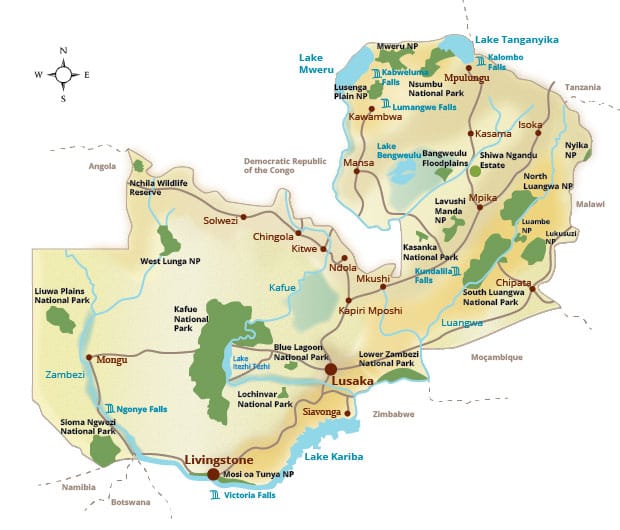
Elefence has provided assistance to the NGO’s overseeing the conservation and protection of two major Zambian National Parks: South Luangwa and Lower Zambezi.
Elefence was proud to receive two grants from the U.S. Fish & Wildlife Service for these specific African partnership projects.
The USFWS generous assistance for ELEFENCE has included funding for construction of park headquarters, ranger housing accommodation, anti-poaching equipment, GPS units, radios, a radio tower, anti-poaching patrol boat, chili-pepper fencing, a school building for the rangers’ children, and educational literature support for the school.
Elefence also formed a partnership with Chipembele Wildlife Education Center, located along the Luangwa River. Elefence helped fund an elephant boma (stockade) to secure and protect baby elephants that have been separated from their mothers due to poaching. Housing was built for two caretakers. Fencing has also been established surrounding the education center to deter baboons and other dangerous wild animals from entering the school premises. Elefence has additionally provided new computers, a full library of books for African children, and transportation for local students to the Wildlife Center.
PROJECTS IN ZIMBABWE
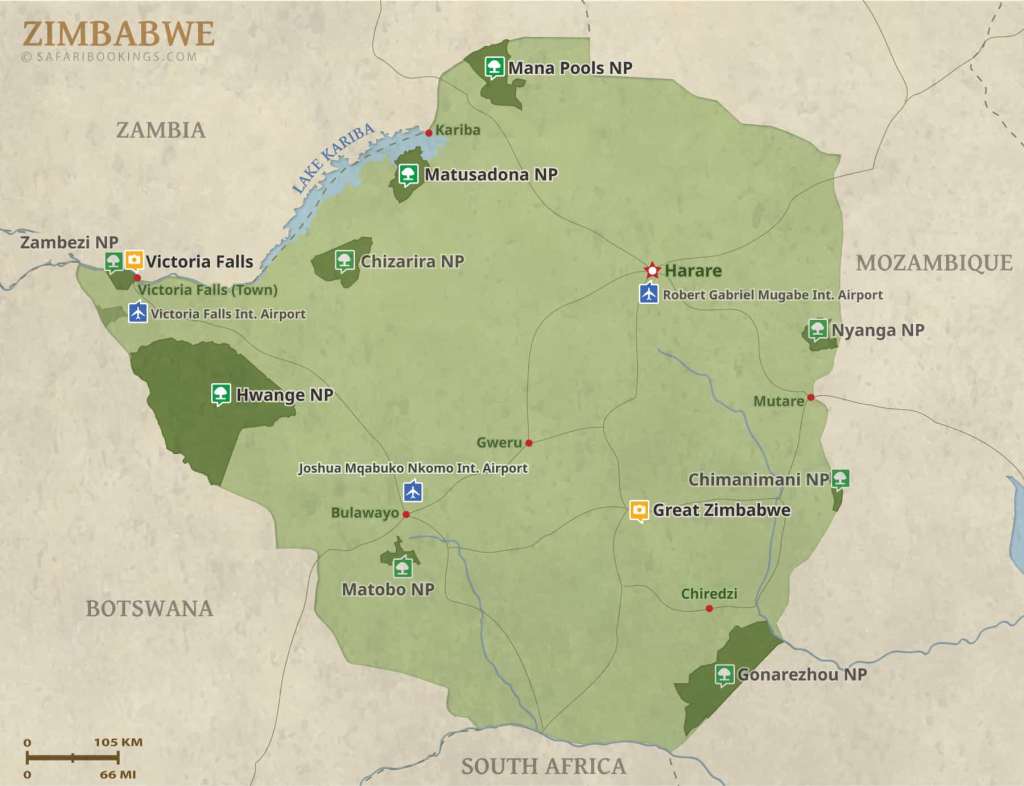
Elefence has provided funding for African Bush Camps Foundation and Hwange National Park. In conjunction with grants from Busch Gardens Conservation Fund, Elefence provided funding for a village borehole and a large fresh water well/waterhole for migrating elephants.
At Hwange National Park, ELEFENCE funds have provided for lion conservation projects including the Lion Bomas, Lion Guardian Program, Food programs, battery study lanterns for all the school children, a fresh water well, and a fruit orchard provided to the local people as part of a nutrition program for Mambanje Village, which lies on the edge of Hwange National Park
Thanks for reading
Dick Houston
President & CoFounder
Elefence International, Inc.
chakoose.bullelephantlegend@gmail.com
Bruce J.L. Lowe, MBE
CoFounder & Legal Counsel
Elefence International, Inc.
Blowe@taftlaw.com
ELEFENCE Website at elefenceinternational.org
—————————————
A NOTE ABOUT OUR EXCITING STORIES ON OUR BLOG:
“Since 1967 when I left from Ohio for Africa, I have lived and breathed Africa in various capacities through the years as an Africa overland safari operator; a British Literature/ American Literature writing teacher for American Embassy international schools in Kenya, Zambia, and South Africa; and a writer for feature adventure stories
in Smithsonian, New York Times, LA Times, Toronto Star, Adventure Travel, Johannesburg Times, among other international publications. It was always the true-life sagas that pulled people in to support our elephant conservation narrative.
I was damn lucky to first set foot in Africa some 60 years ago when it was a far different and wilder place. And later befriended by many of the last legends of Africa such as wildlife warden George Adamson.
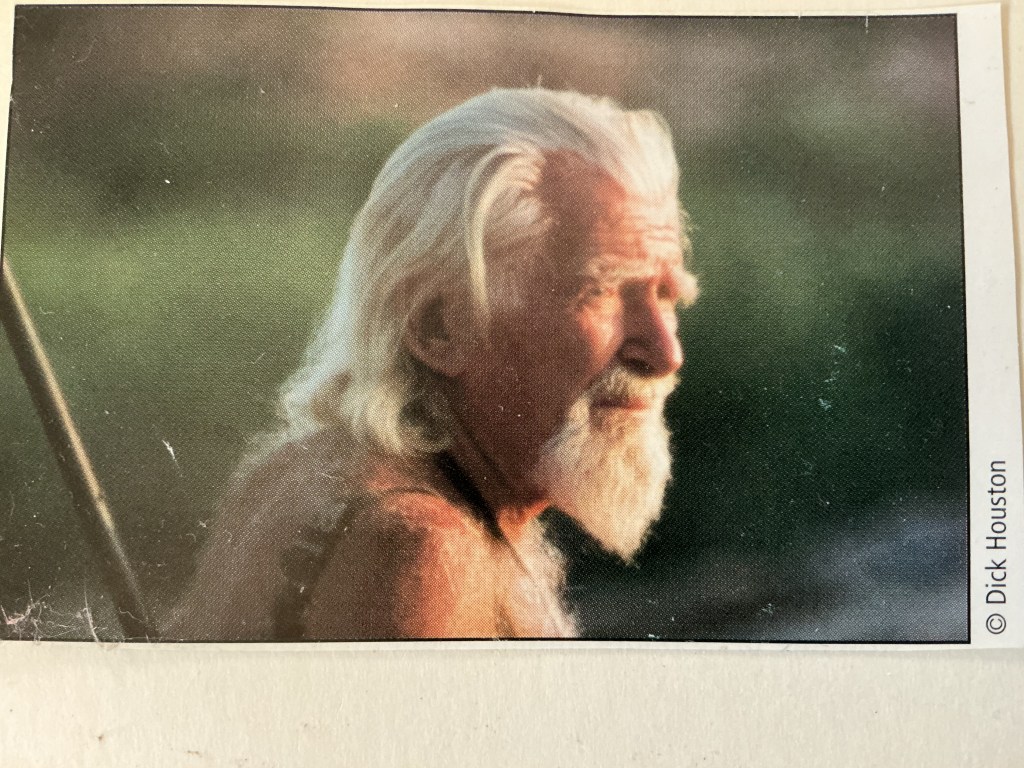
George of Born Free fame was killed by elephant poachers in 1989.
It is from this unique perspective that Elefence picks and shares stories about elephants, lions, courageous African anti-poaching rangers, and the ever-resourceful African people.
I would like to thank Trustee Jon Stevenson for initiating the idea for our BLOG, maintaining it, doing the visual layout, and encouraging me to share my African stories, as well as tales from other people connected directly with conservation through decades in Africa.
Kwaheri for now. (Kwaheri is Swahili for “So Long Until the Next time”)
Dick🐘
On our Story BLOG, we tell the exciting, often gripping tales behind the scenes of the dangers of elephant conservation in the field.
Soon to be posted is a harrowing story about Lynn Clifford, Field Director of Wildlife Action Group based in Malawi. Lynn is Elefence’s conservation partner. Trust me when I say the story will take your breath away.
It’s entitled: Falling From The Sky.