

From our partner in Malawi, Wildlife Action Group
This week, several of our community beekeeping groups completed their annual honey harvest. These projects form part of a long-term income-generating programme that helps communities benefit from living alongside and protecting the forest.
We visited the Lilongwe side of Thuma to inspect the hives, purchase the honey, and, of course, enjoy plenty of tasting along the way!
One of the most fascinating discoveries is how each group’s honey has its own unique flavour, despite the bees foraging within the same forest. The subtle differences in nectar sources create distinctive tastes that make every harvest special.
Pure, natural forest honey has to be one of nature’s greatest gifts. Delicious, sustainable, and directly linked to healthy forests and thriving communities.
I’m still buzzing from the taste! 🍯🐝🌳


When Dick and I visited the Thuma and Dedza-Salima forest reserves we saw one of the hives used to produce the honey. Quite different from what we see here but they are designed to prevent the honey badgers from raiding the hives. The beekeepers also place ashes around the base of the poles to keep out other predators.
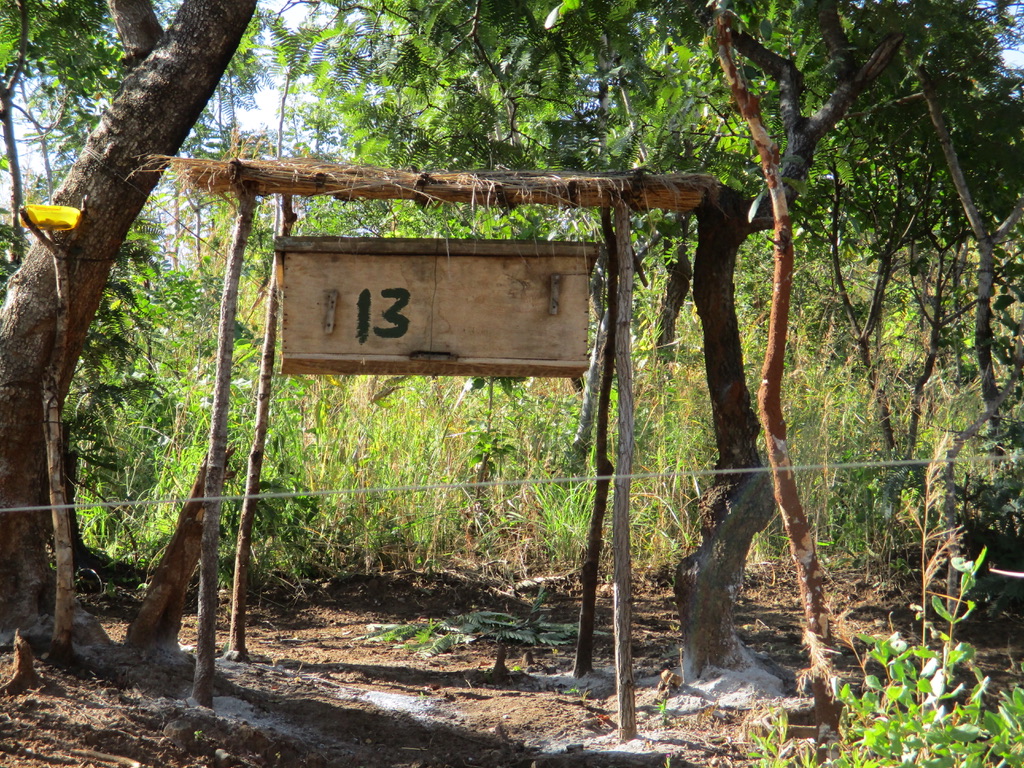
An interesting fact is that elephants are terrified of bees and will not go near a hive or nest. The bees will sting an elephant in sensitive areas like around the eyes and tip of the trunk. Villages often keep hive around to prevent elephants from raiding their gardens.
BTW The honey was great!

