Fence project 2026

Elefence is sending Wildlife Action Group (WAG) $24,000 for fence construction thanks to a generous donor. The fence will extend the partially erected fence around the Dedza-Salima forest reserve. The fence around the Thuma reserve is complete now due to a previous Elefence contribution.

Constructing a fence is not an easy thing. First it must be approved by the Malawi government departments of forestry and wildlife. The fence line must then be surveyed to determine the exact route. Sometimes the route crosses village boundaries and must then be adjusted to insure that villages are cut off from areas they have used for generations even though they may have no clear title to the property. Negotiations with the village chiefs which border the route are critical to insure their cooperation. After all of these steps construction can begin once the rainy season ends.

WAG had secured funding for purchasing the fence materials but had no money for labor, survey services and the hiring of a qualified construction manager. The local villagers are hired as workers and their wages are a significant source of income in an an area where there is almost no work available. Funds were also required for purchasing food for the workers and paid village women to prepare and serve food to the workers. The fence is solar powered but must be patrolled regularly and maintained. The WAG rangers have other duties so again the villagers are hired for this.

A fence protects both the villages from marauding wildlife as well as defining the border of the forest reserves. A couple of elephants can destroy a farmers entire harvest in one night which often calls for the killing of the elephants. Elephants and cape buffalos are dangerous when the locals attempt to drive them away. In the last three years 5 persons have been killed by elephants in the area of the reserves.

A fence also provides a clear boundary of the reserves. Persons inside the fence without a permit to gather dead wood for cooking and heating or cutting bamboo for construction are usually doing something illegal such as poaching wildlife or cutting trees for making charcoal.

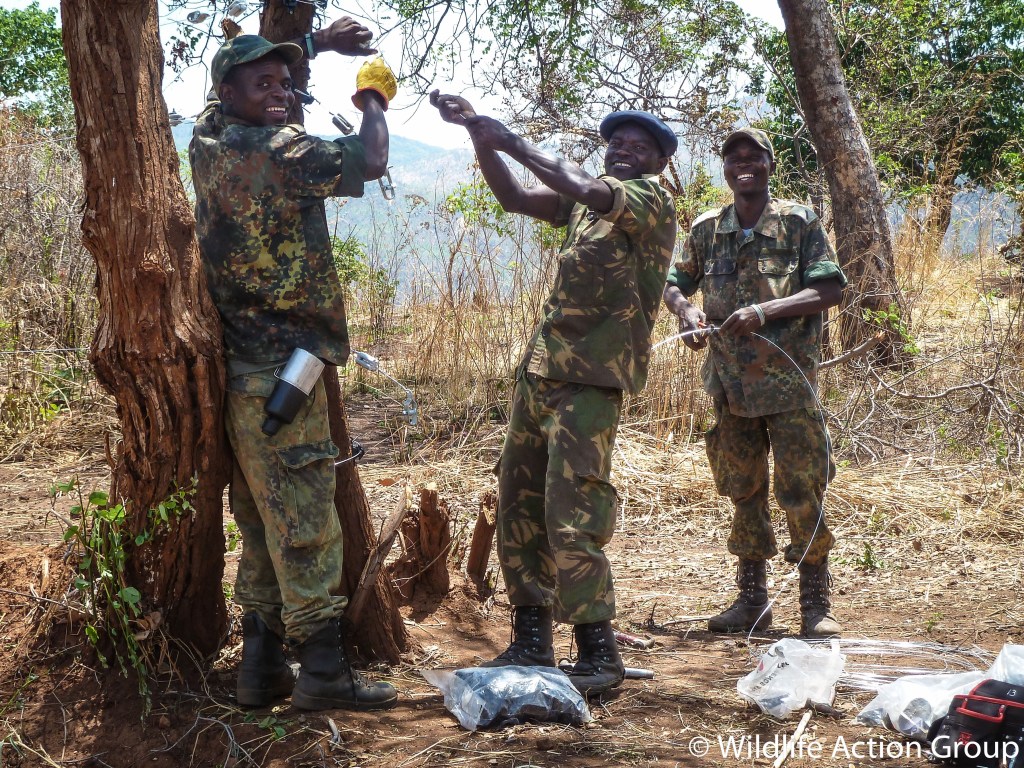
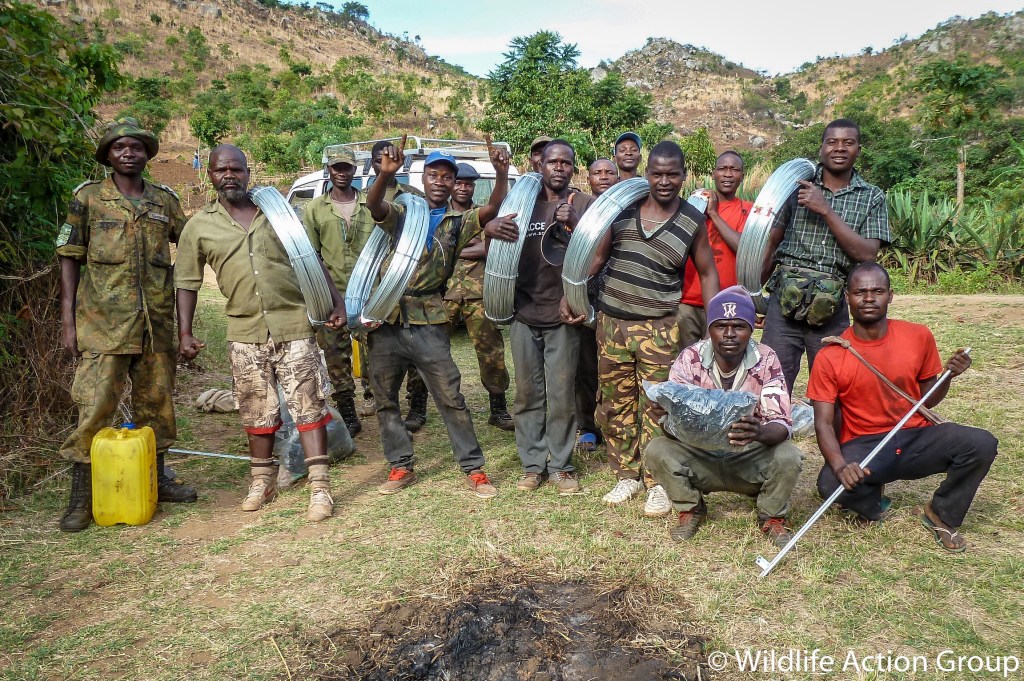
Following are photos from a previous fence construction project.
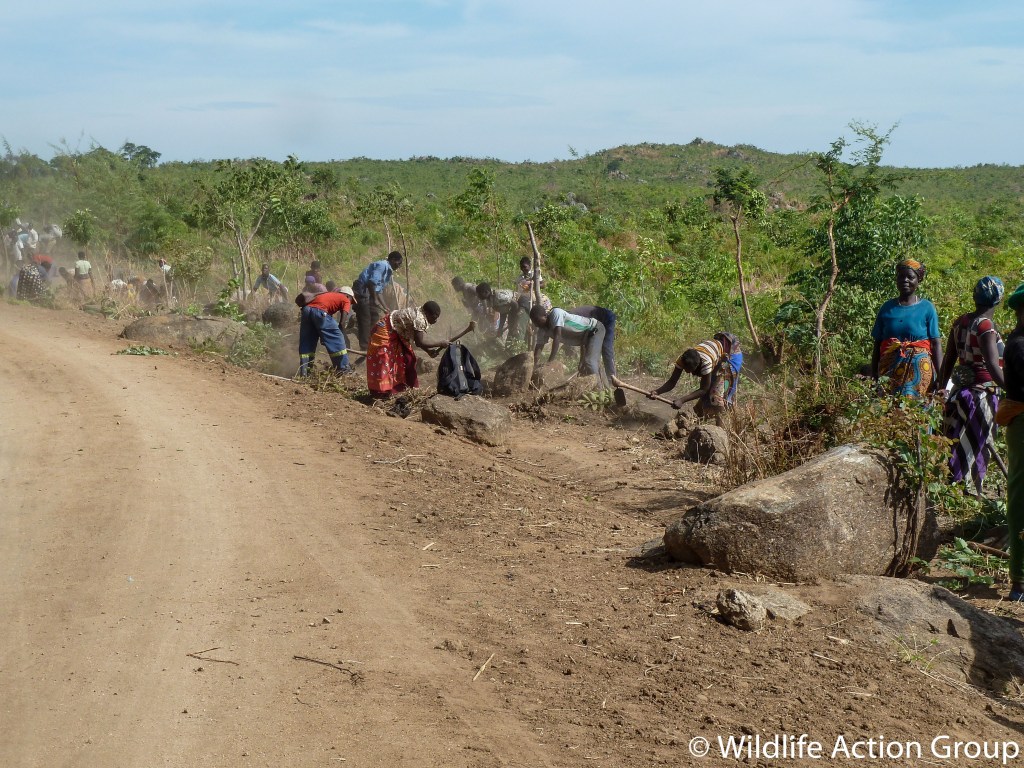
Clearing the fence line
WAG rangers working on the fence
Villagers preparing for the installation of a new fence

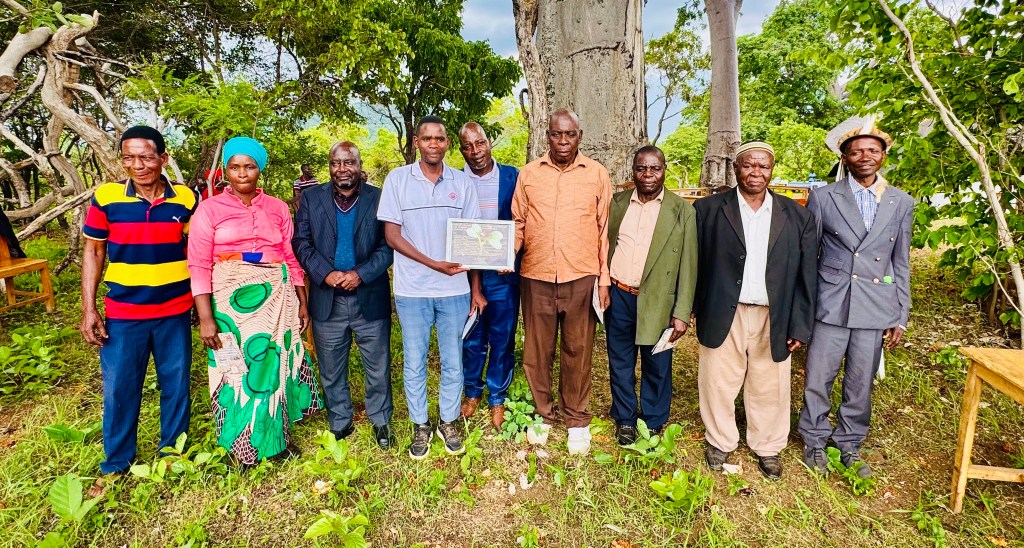
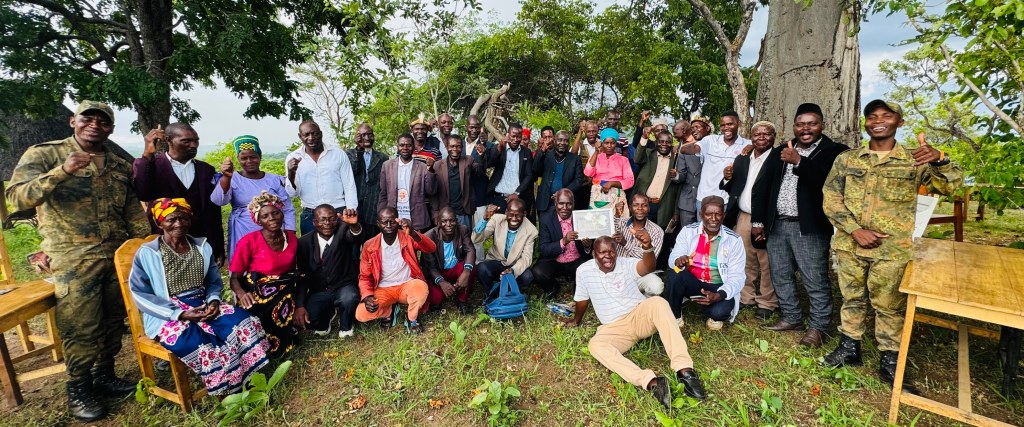
Chief’s Council 2025

Malawi was formally called Nyasaland and became independent from British rule in 1964.

Malawi is a unitary presidential republic with three branches of government consisting of the executive, legislative, and judicial branches. The president is both the Head of State and the Head of Government. So on a national level it operates very much as most constitutional democracies do. Out in the rural areas which covers most of the country things are a bit different.

The local villages are still very much tribal in nature with a village being controlled by a chief. A chief has significant power over how a village is operated as well as how it interacts with those outside. A chief receives the title from a lineage which passes down through the mother. Interestingly a woman can be a chief if no male heir exists.

In 2022 Dick and I were privileged to attend a council of chiefs organized by Lynn Clifford the Field Operations Manager of the Wildlife Action Group (WAG). The meeting was called to discuss problems which existed in the villages and how they affected the two forest reserves. While we could not understand most of what was said each chief had the opportunity to speak about their situation. It was truly an opportunity to see how things work on a local level.

In late 2025 there was a coordinated attack on the forest reserves resulting in the slaughter of wildlife, the cutting of trees and destruction of part of the fence. It was most likely organized by criminal gangs supported by some of the local population. The WAG rangers are not equipped to handle a large-scale assault like this and the local police were called in to put down the incursion and restore order.

In order to prevent this again Lynn called a chiefs meeting from the affected areas. Most of the local population supports the WAG efforts to protect the forests and appreciates the help that WAG provides with agricultural advice, livestock support, water wells and education of students. At the meeting individual chiefs were asked to sign a pledge to support WAG’s efforts and assist with the reporting of criminal activity and participating in conservation efforts.

The pledges were physically signed by individual chiefs and were not some empty promises. A signed pledge by a chief had strong cultural significance and violation of the oath was regarded as shameful and rarely breached. The hope is that these pledges will prevent any occurrence of intrusion into the reserves.