

Elephants have some unique and interesting physical properties in addition to their immense size. These properties have evolved over millions of years into the amazing creature we know today. Consider the following:
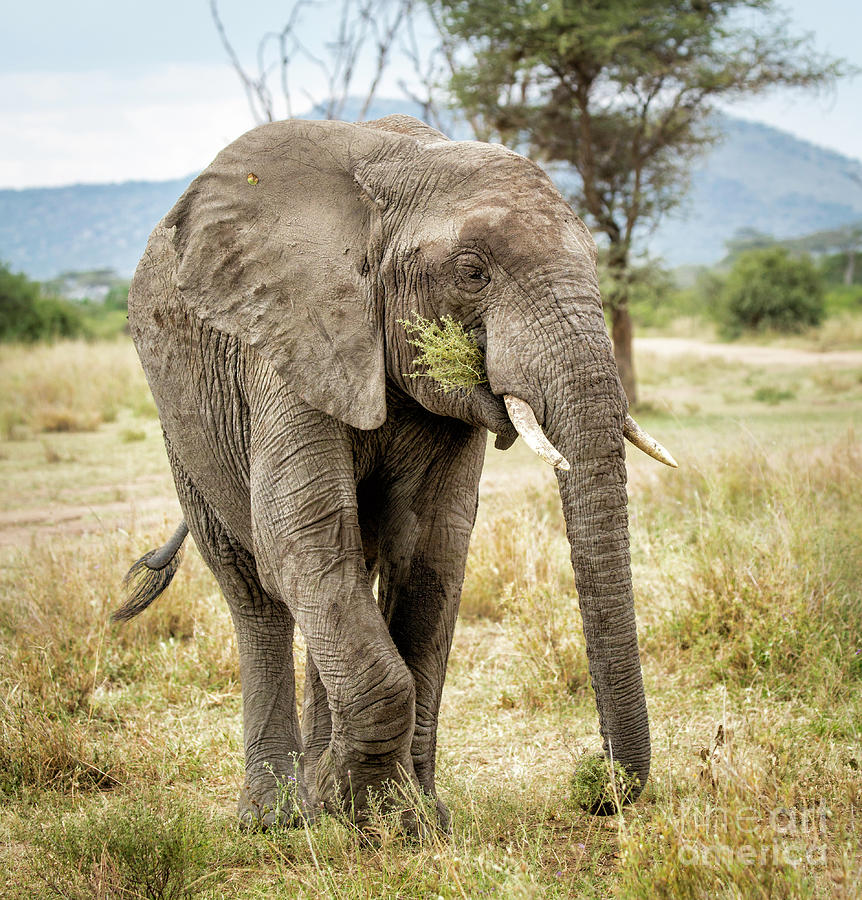
Look at the large pad on the bottom of their front leg. This feature serves to distribute their weight so they do not sink in soft ground and provides a cushion as they walk. It will retract somewhat when they lift their leg so it breaks the suction from walking on muddy ground.

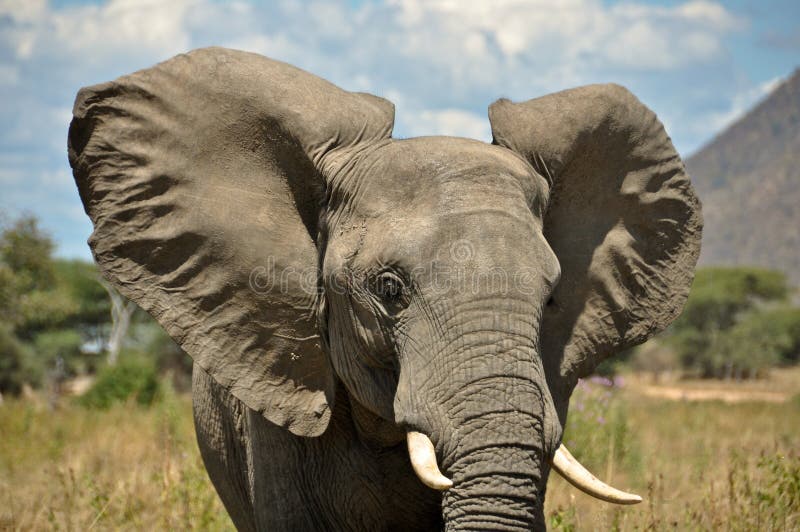
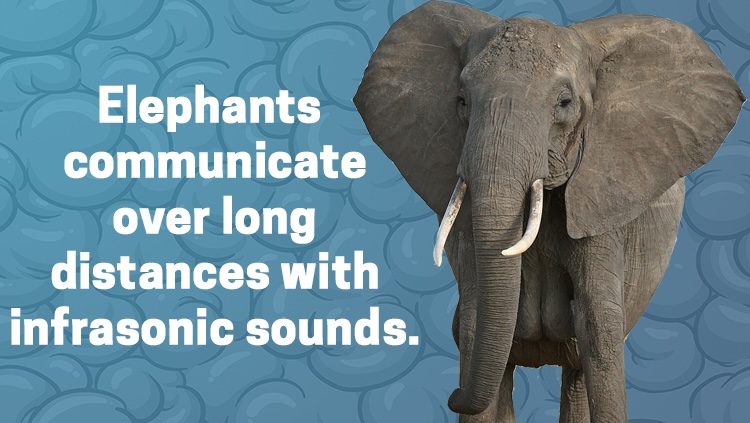
An elephants ears do much more than detect sounds. Their primary function is to radiate heat from their body. The ears are filled with capillaries which carry heat from the body so it is dispelled into the air. The ears also give evidence as to the elephants state of agitation. A nervous elephant will shake its head or rapidly flap their ears if they are apprehensive about something. They will also hold their ears out wide to make themselves look larger.
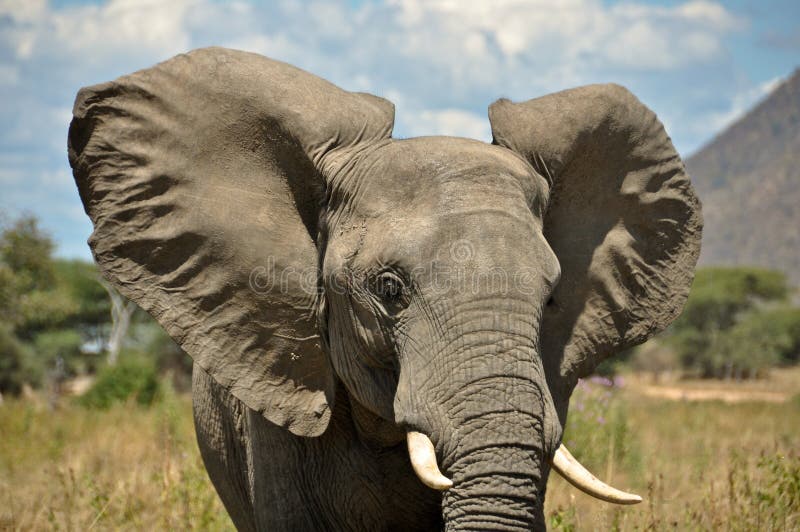

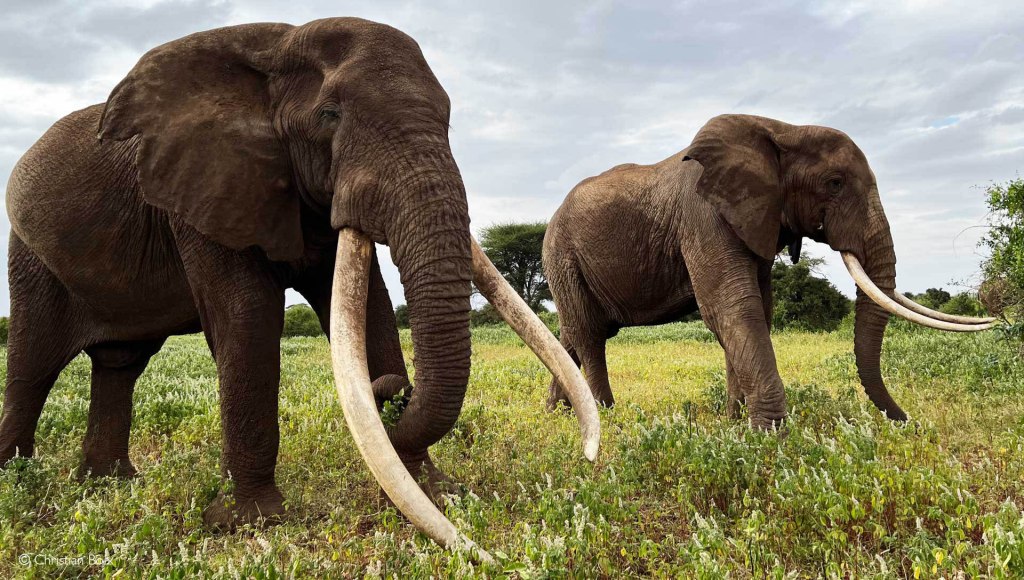
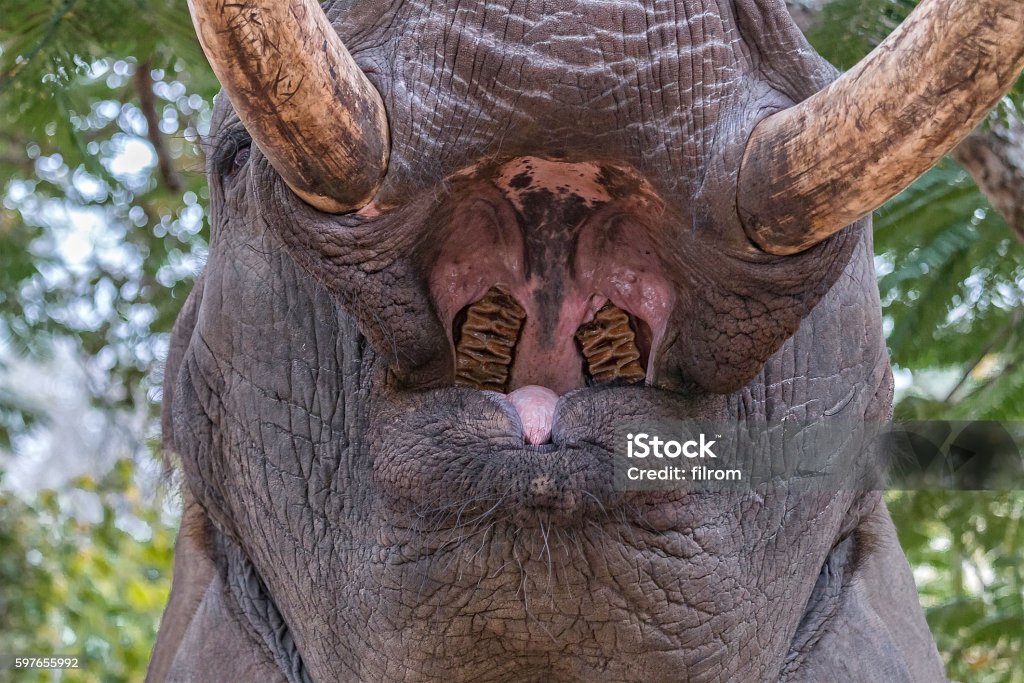
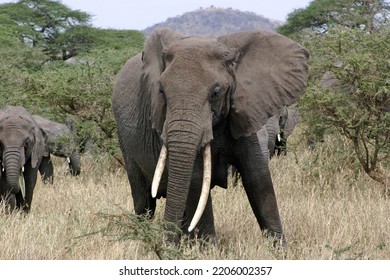
Certainly one of the most striking features are the tusks which protrude from their face. They are both a tool and a weapon. A tusk is a modified incisor tooth and grows throughout their life although it can be worn down from use. Elephants are right or left handed just like humans and the worn tusks tells you which. Unfortunately they are also the cause of hundreds of thousands of elephant being slaughtered for their ivory in order to be sold into the Asian market to make trinkets, jewelry and statues. The poaching of elephants for their ivory is responsible for the fact that there are less than 50 old ‘Tuskers’ left with massive tusks which were once a common sight in Africa.
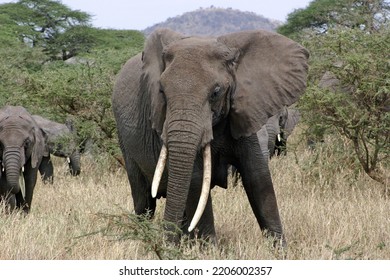
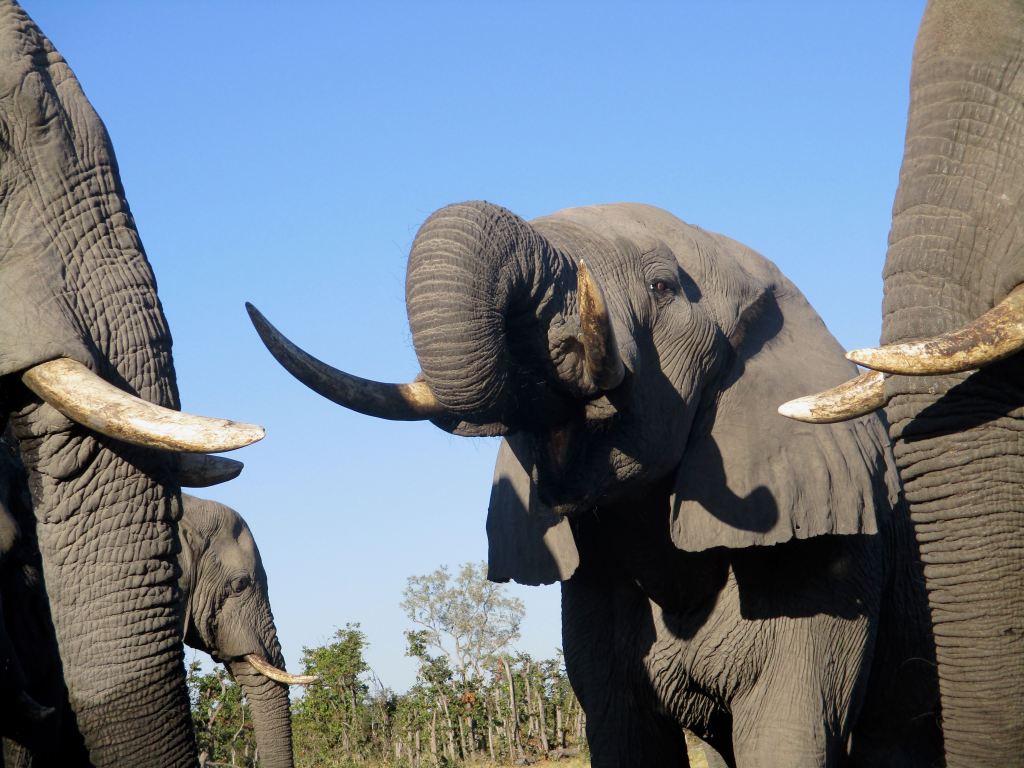
The trunk is a most useful appendage for an elephant. They eat with it, drink with it, smell with it, trumpet with it, and greet other elephants with it. Their sense of smell is four times greater than that of a bloodhound. They will use it to siphon up water to spray over their body or to give themselves a dust bath to protect their sensitive skin. It contains over 100,000 individual muscles which makes it both very strong and yet flexible. The prehensile tip can pick up something as small as a peanut and are able to crack the shell without breaking the nut inside.








 Elefence International, Inc.