

Our trip to Malawi had several goals. First was to meet Lynn Clifford, Field Operations Manager of Wildlife Action Group (WAG) for the Thuma and Dedza-Salima Forest reserves. We had corresponded with Lynn over two years but not able to travel due to the Covid restrictions.

Second was to review the fence we funded, thanks to a generous donor, which was the last section to encircle the Thuma forest. It is always our policy to make sure the money we send is actually being used as intended. Since the completion of the fence there has been zero human elephant conflict around Thuma much to the delight of the villages in the area. Their crops are now safe from marauding wildlife. It only takes one or two elephants to wipe out and entire harvest and leave a family fighting for survival. Raids by wildlife usually calls for killing the animals.

A fence also defines a clear boundary around the forest. Persons inside the fence without a permit to harvest bamboo for construction or to gather dead wood were usually doing something illegal such as poaching wildlife or cutting trees for charcoal production. The pictures below were taken of the same hillside inside the fence over three years. The first one shows the land almost completely denuded of vegetation. The second shows how the forest can recover if given the opportunity to regenerate.
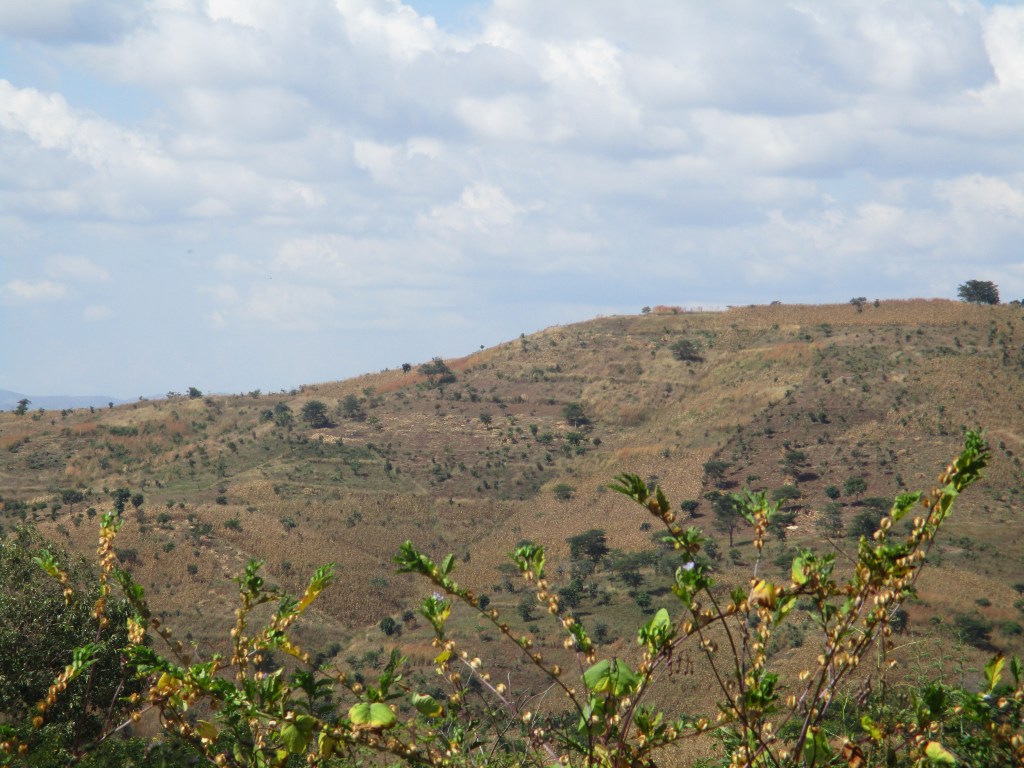
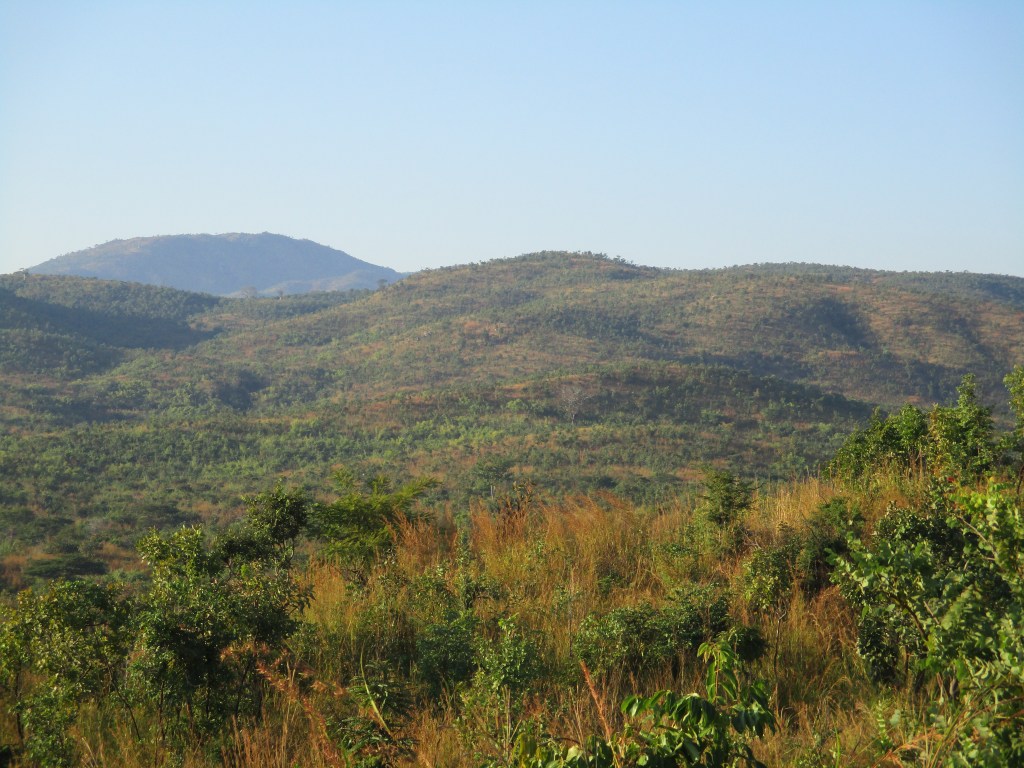
Thirdly we wanted to review all the various community and ecological programs established by WAG to see where else we could help. Our primary mission is building solar powered electric fences but it is not possible to build a fence without the cooperation of the local villages surrounding the forest. The villages have had access to the forest for generations and you cannot take that way without providing them with alternatives. We toured the area with Austin Chimbalanga, the WAG Community Outreach Officer.
We visited several villages to see what programs WAG was supporting. WAG employs an agronomist to teach the local people how to grow and improve the yields in their gardens. They also supply poultry and goats which the villages can raise for protein, milk and to sell to provide income. They are taught beekeeping which is another generator of income.
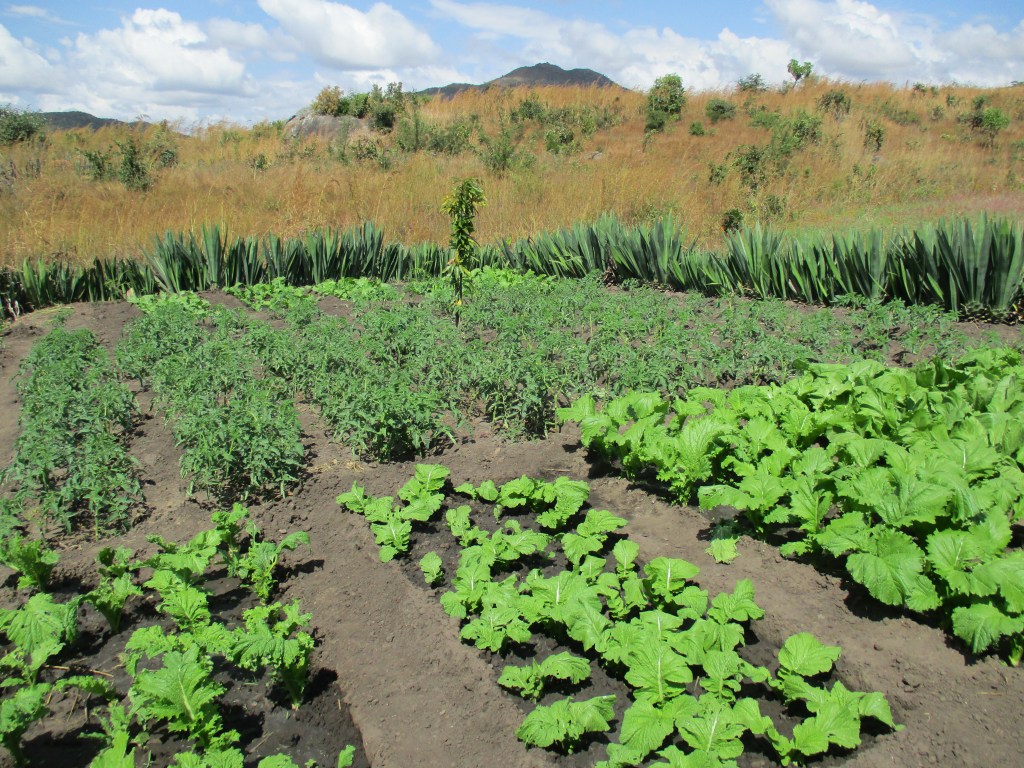
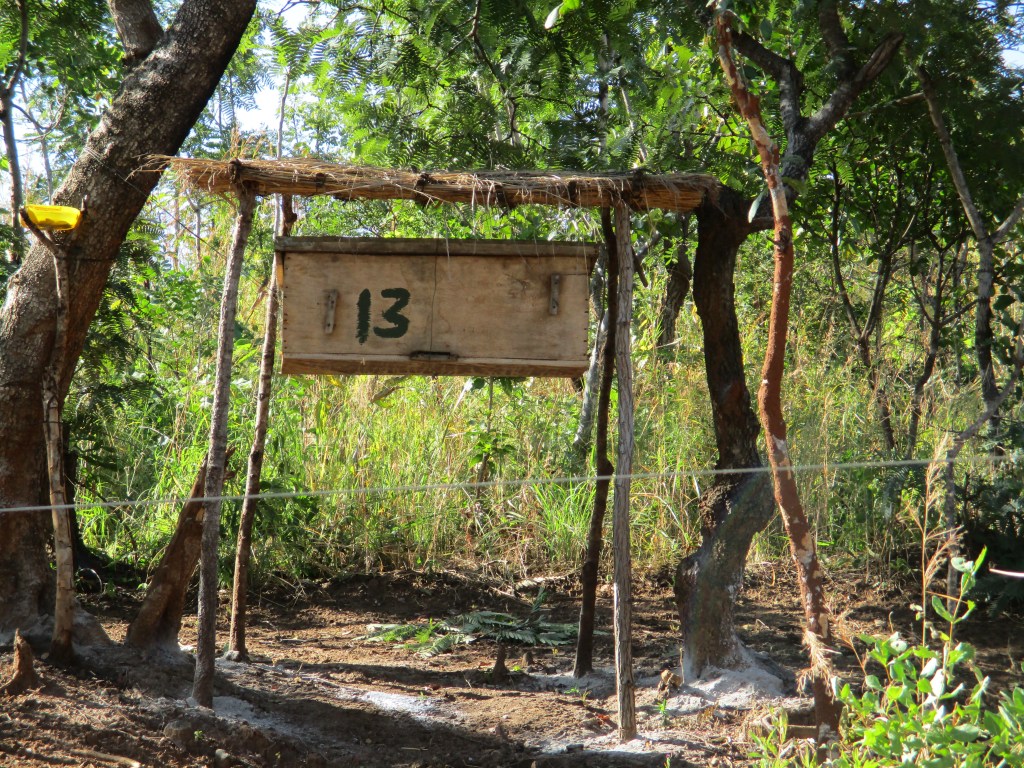
One thing three villages requested was a water well or borehole as it is called in Africa. We raised funds which were matched by other donors and the results were reported in a previous post.
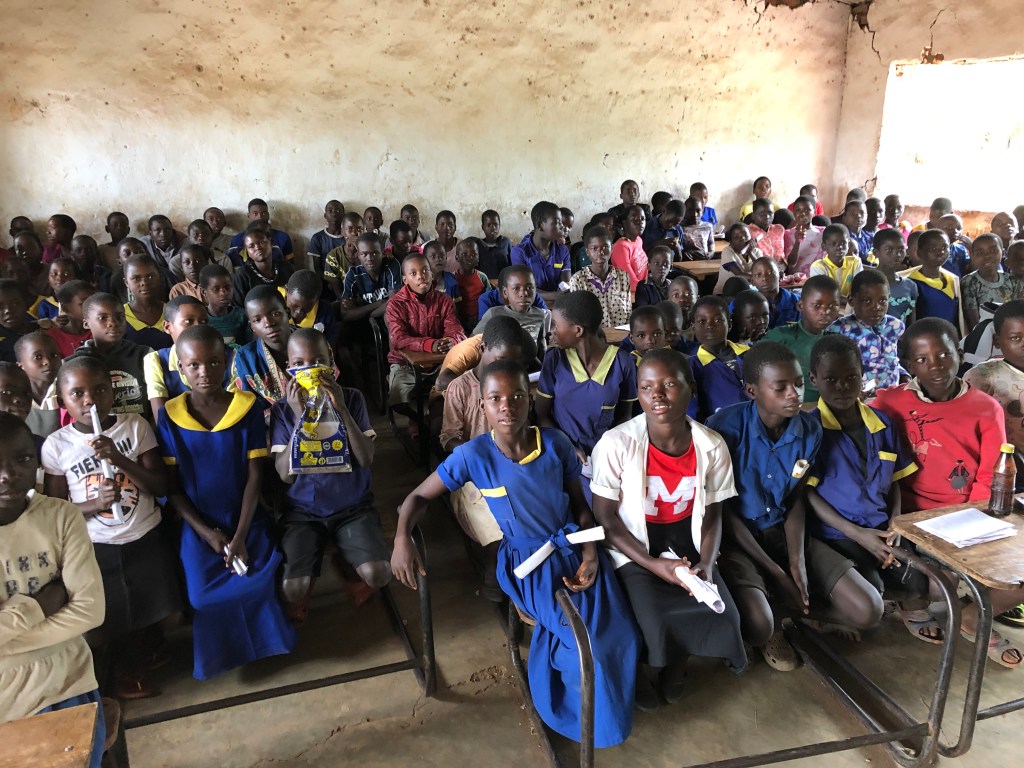
We visited an elementary and secondary school, meeting with the staff and visiting the classrooms. Elementary school is mandatory and free for grades 1-8 however it is horribly crowded. The one we visited had 832 students and only 13 teachers. A 64 to 1 ration is not very conducive to learning. The teachers however were dedicated and did their best for the students. High school is optional if the parents can pay for it, about $150/year. Unfortunately even this meager amount is well beyond the means of the average family. About 1 out of 25 children get an education beyond the 8th grade. After learning all this we started a scholarship program and pay for 10 students to attend high school each year.

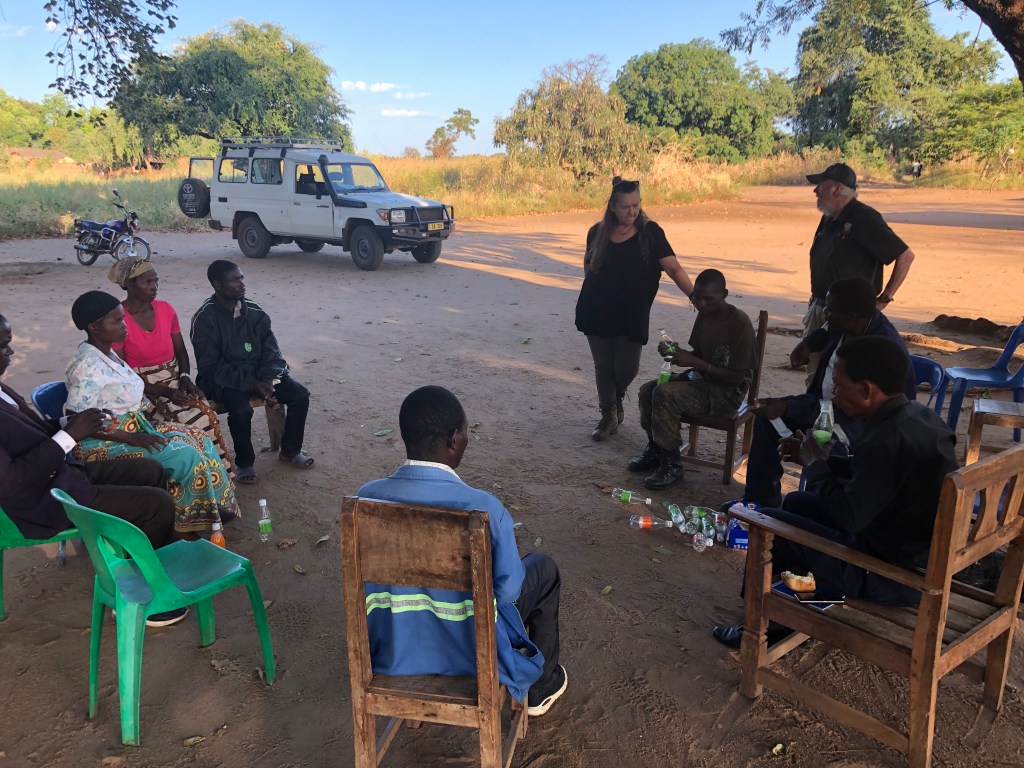
We were honored to attend a council of village chiefs with Lynn. The group discussed the problems they were facing and various solutions. We could not understand the discussions but Lynn told us one of the main concerns was the threat from local gangs who poached wildlife and cut trees for charcoal production. These are not individuals feeding their family but rather organized gangs who routinely were a danger to the locals as well as the rangers who patrol the forest. Rangers have been injured and even killed by these gangs. Lynn emphasized that the villages had to work together to support each other and report illegal activity to WAG or the local authorities. Elefence supports the rangers by awarding a small cash bonus of $3 for every successful apprehension and conviction of a criminal. Note that two of the chiefs were women. Transfer of power to a new chief passes through the mother and sometimes there is no male heir so it will go to the next female in line.
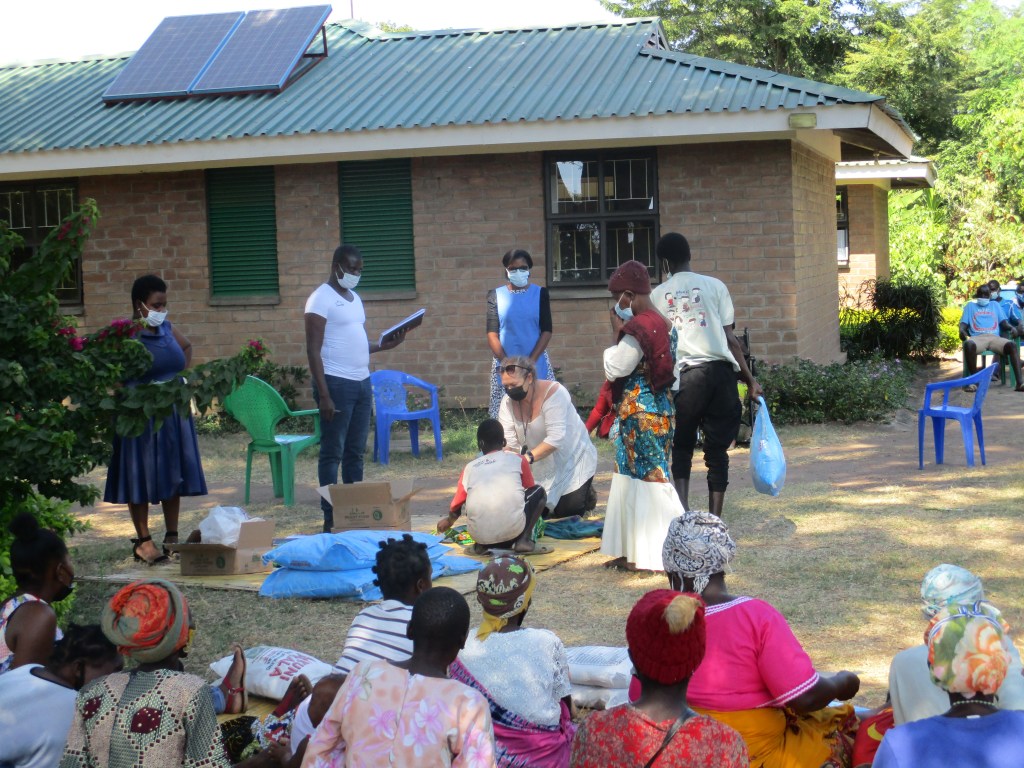
We visited what Lynn called “An end of life clinic” which is what we refer to as a hospice center. The clinic is funded by a charity from Ireland and Lynn sits on their board. They dispense pain and other medication to ease a person’s exit from life on earth. They also provide food for patients and their families since most of the patients cannot work. Most of the people in the photo have some kind of terminal disease and the clinic nurse told us that 90% the women which need the clinic’s services have cervical cancer. Lynn pays a nurse to make monthly visits to the local villages to educate women and urge them to come to the clinic to get tested before it is too late.
Part 3 of our trip will follow soon
 Elefence International, Inc.