Water is life itself

This is a post from our newsletter from February 2024 which we thought was worthwhile to see again.

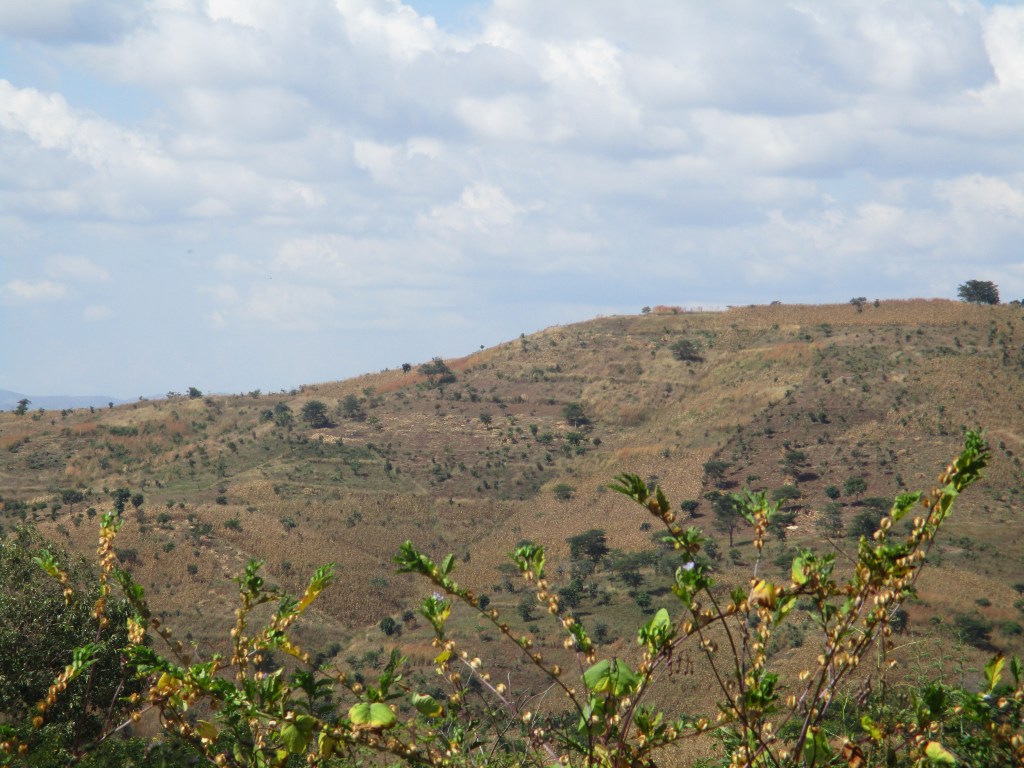
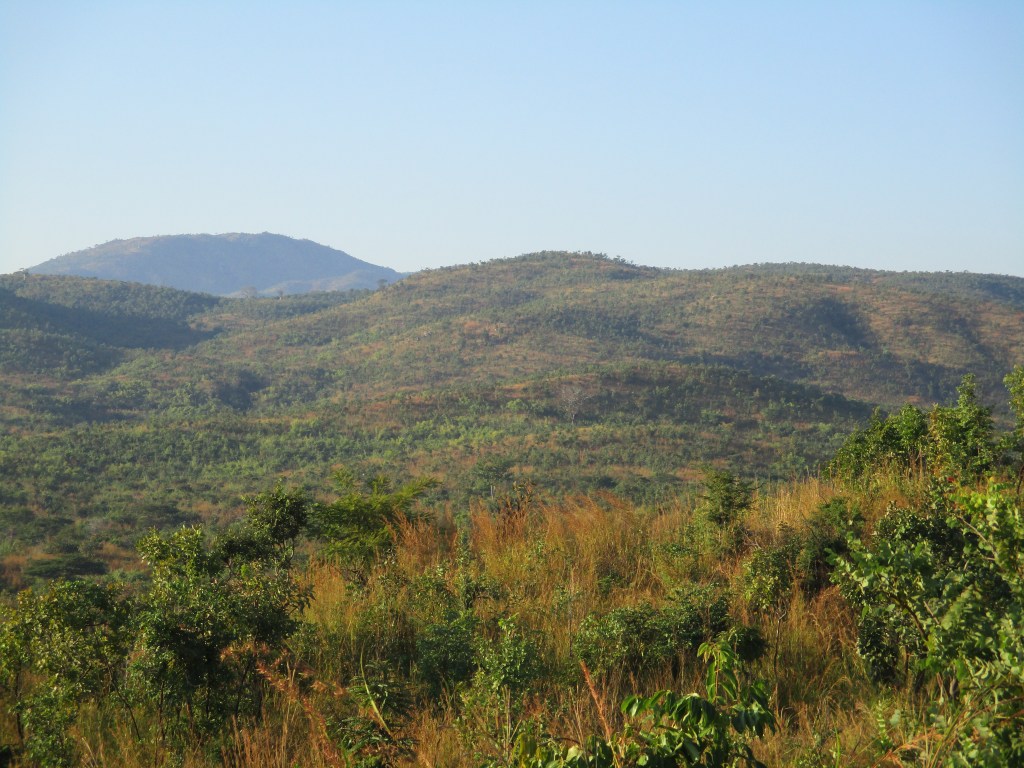
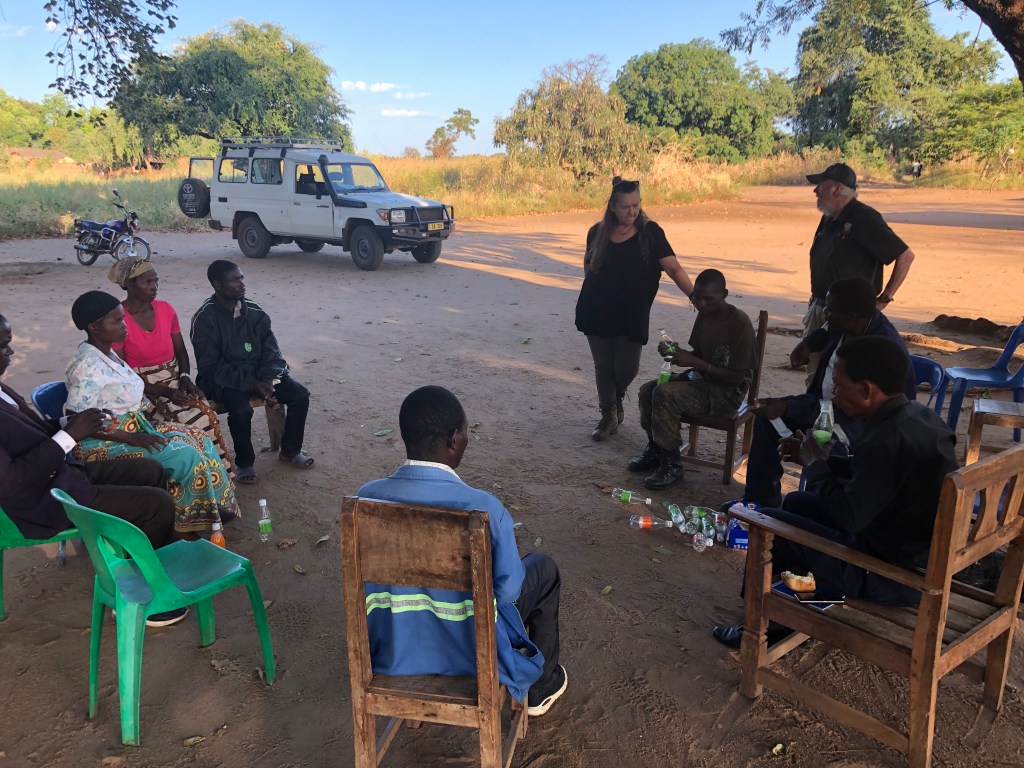
Elefence International has been in existence for over 25 years. In that time it has done conservation and humanitarian projects in Zambia, Zimbabwe and now in Malawi. The most recent project was funding water wells for villages around the Thuma and Dedza-Salima forest reserves. It started almost two years ago when Dick and I visited Malawi and toured a couple of villages. We asked the Wildlife Action Group field manager, Lynn Clifford who was our host, what the villages needed and she said a water well or bore hole as they call it. Upon our return we put out a request to our supporters for $3000 to fund a well. To our great surprise we surpassed our goal and almost had enough for two wells. Based on our success Lynn was able to secure matching funds to do three wells.

It was a tedious process to get the wells installed as Lynn had to contract and schedule a driller as well as work around the rainy season and the problem of getting equipment into remote areas. The whole process took many months.

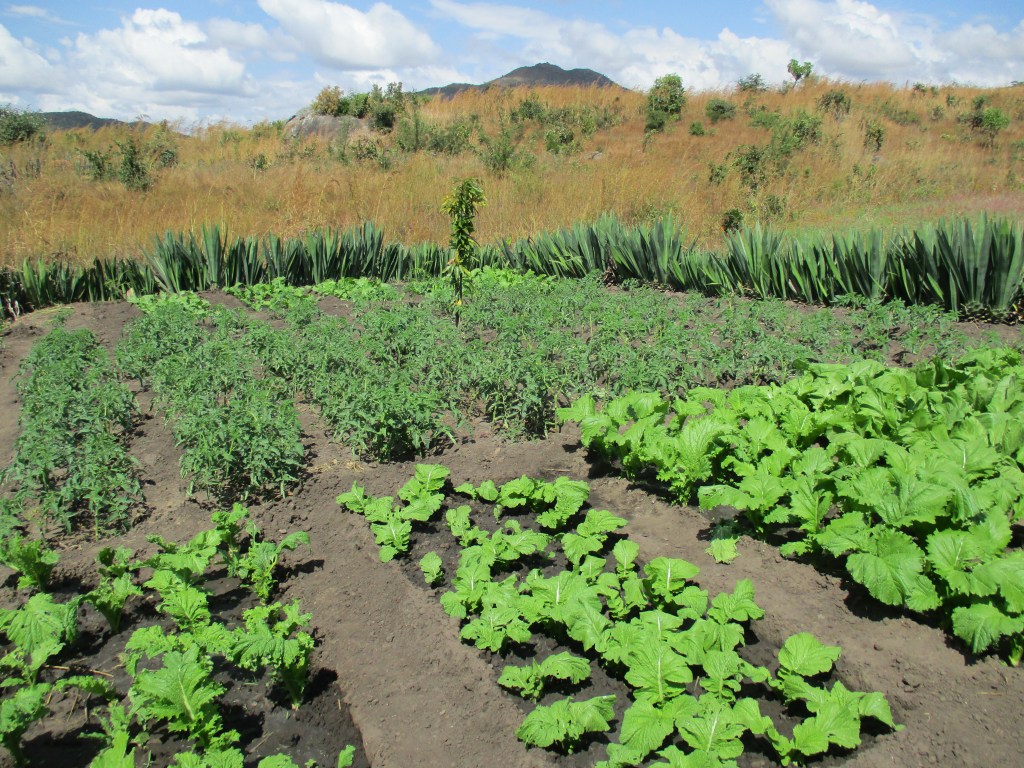
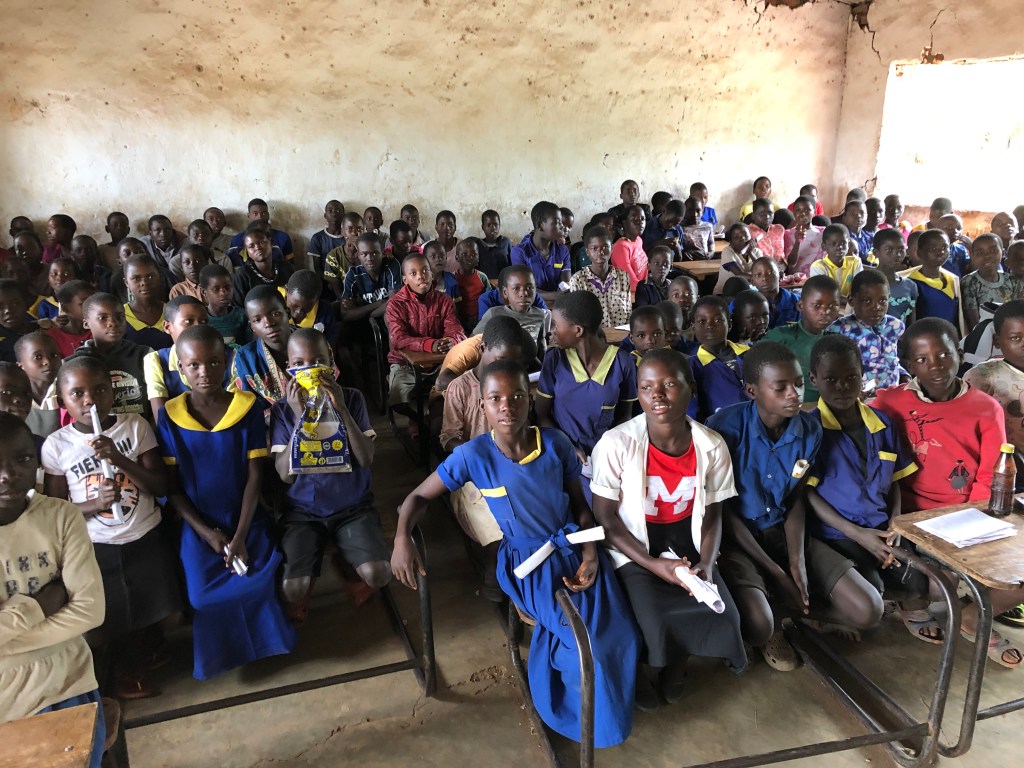
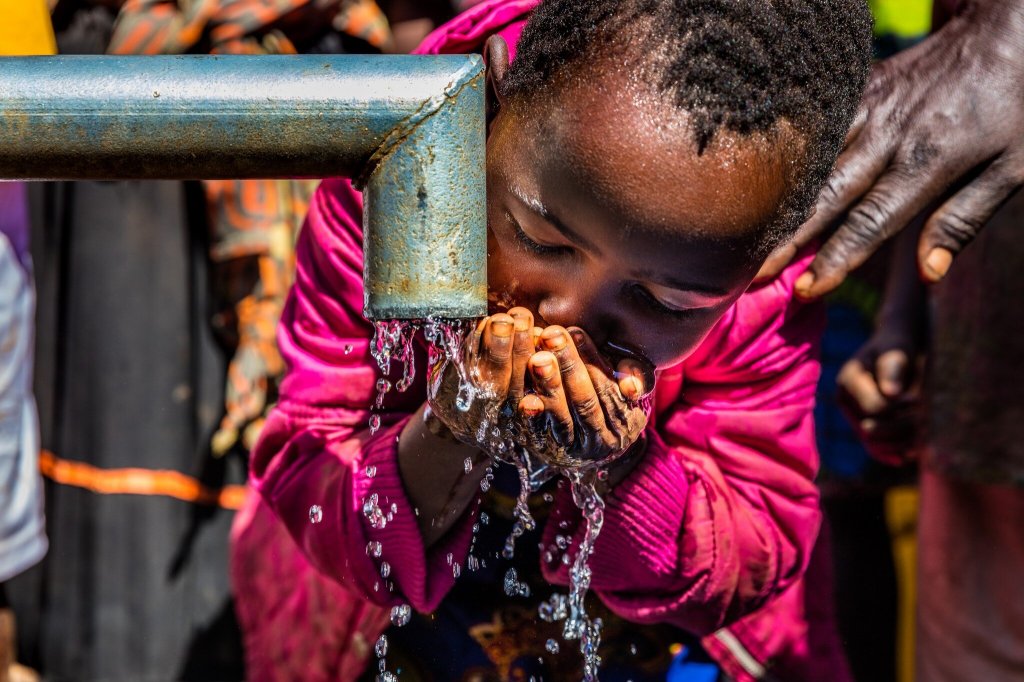
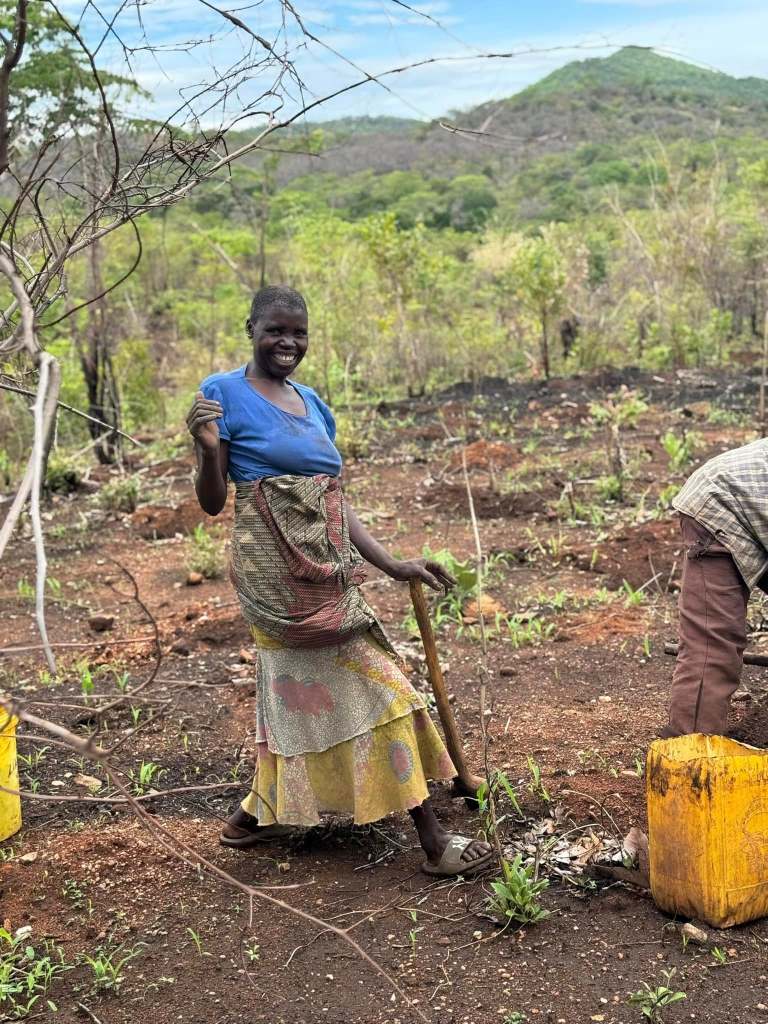
Until I visited the area I had no idea how much a well means to a village. We are used to opening a faucet and immediately clean clear water comes out. The wells looks crude to us but to a village it is life itself. In most villages the people have to carry water long distances from another village or often from a polluted stream. A well or borehole as it is called significantly reduces disease and provides water for their gardens which supply the much needed nutrition.

A quote from one of the village chiefs where a well was installed from Lynn’s email: PS we met the chief from the village where we placed your bore hole…….OMG i almost cried his testimony was “Many years ago WAG was our biggest enemy, as it seemed to us they blocked our access to the forest. Today is a different story, some of our people have employment, we are seeing the forest get bigger, WAG are in our schools helping our children, you have given us fresh clean water, whereas before we drank with the animals, we even have projects were people are growing food all year around. We now know WAG truly are a great partner and our friends” The phrase that struck me the most was “Before we drank with the animals”. Unreal!

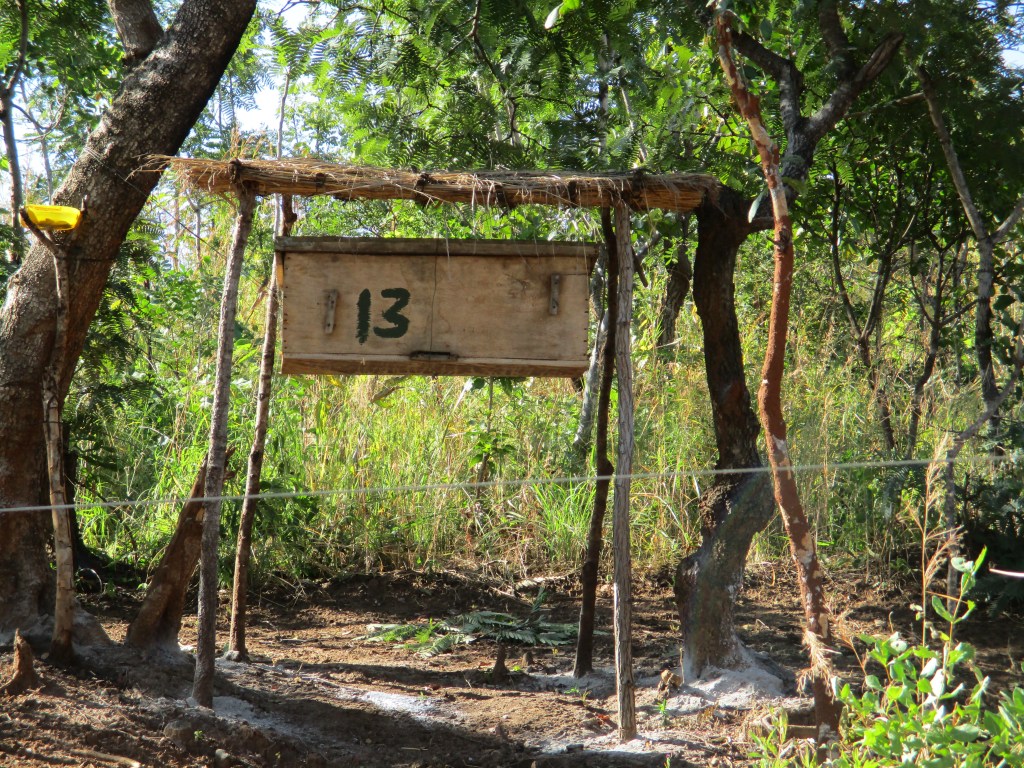
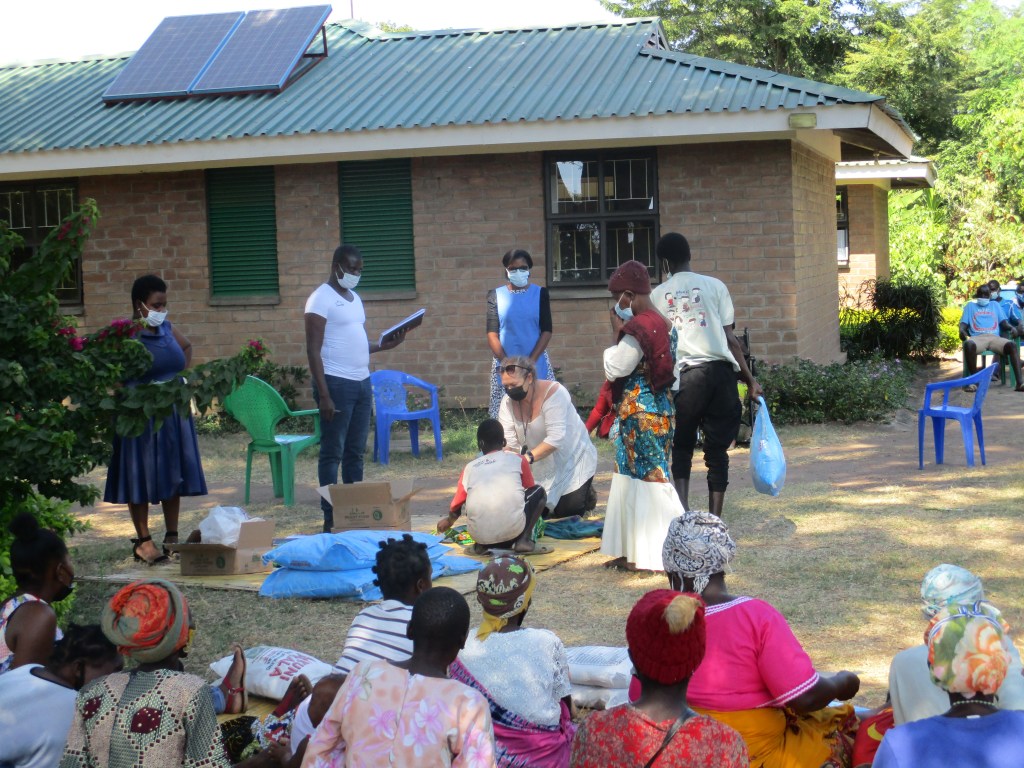
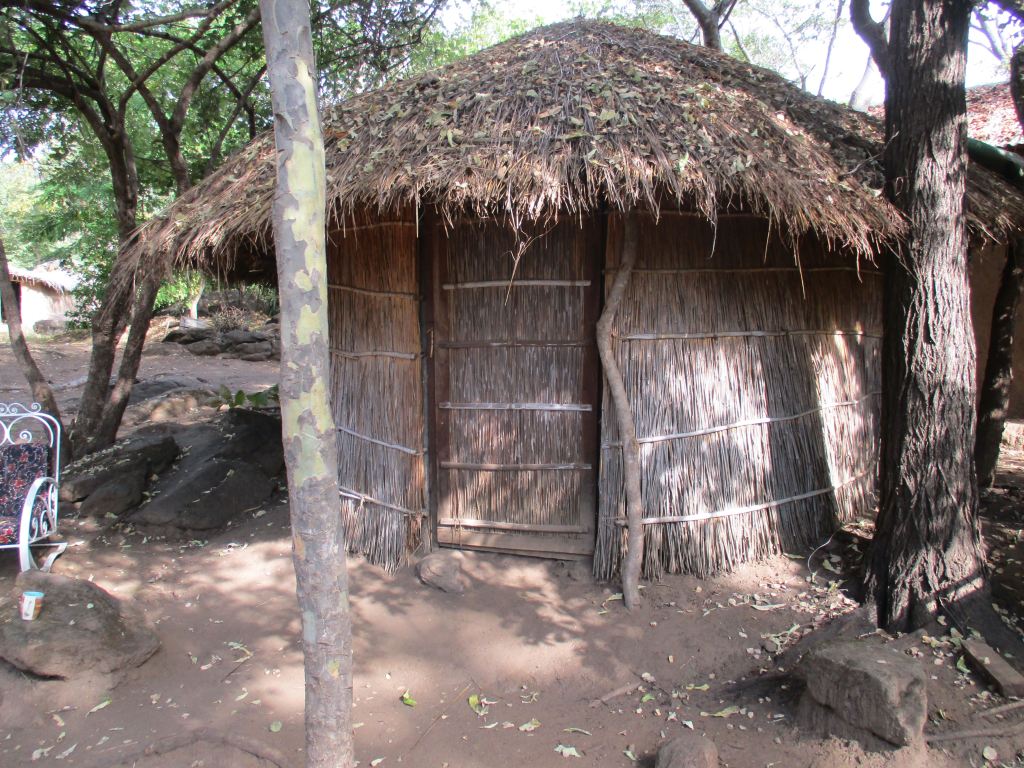
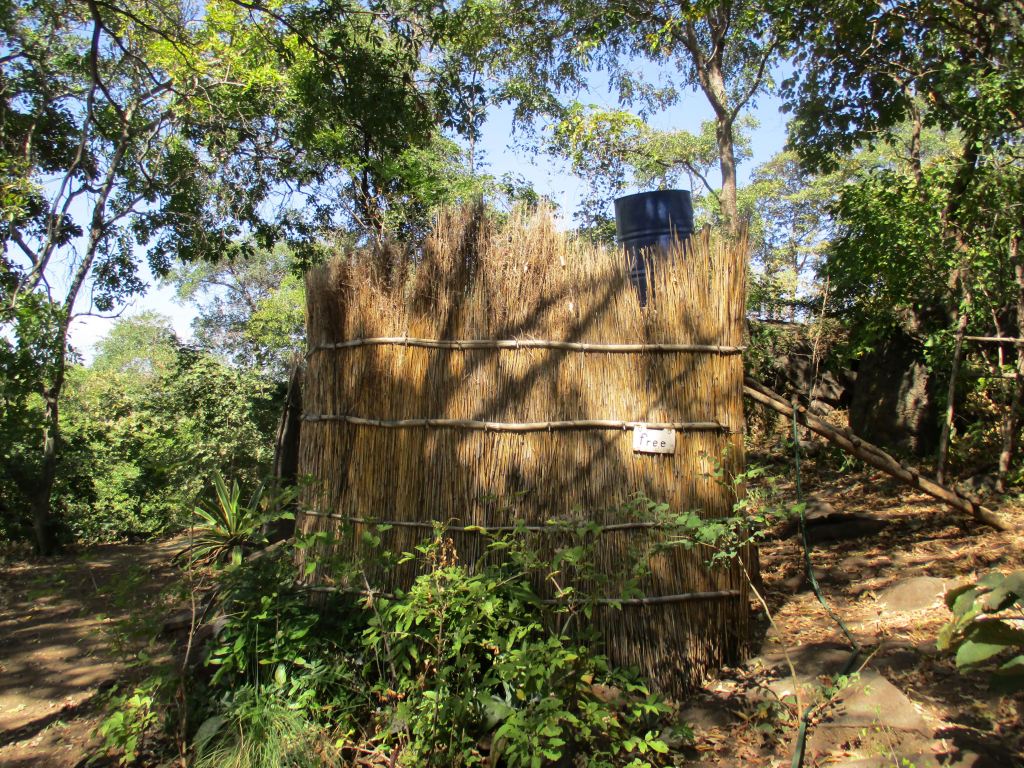
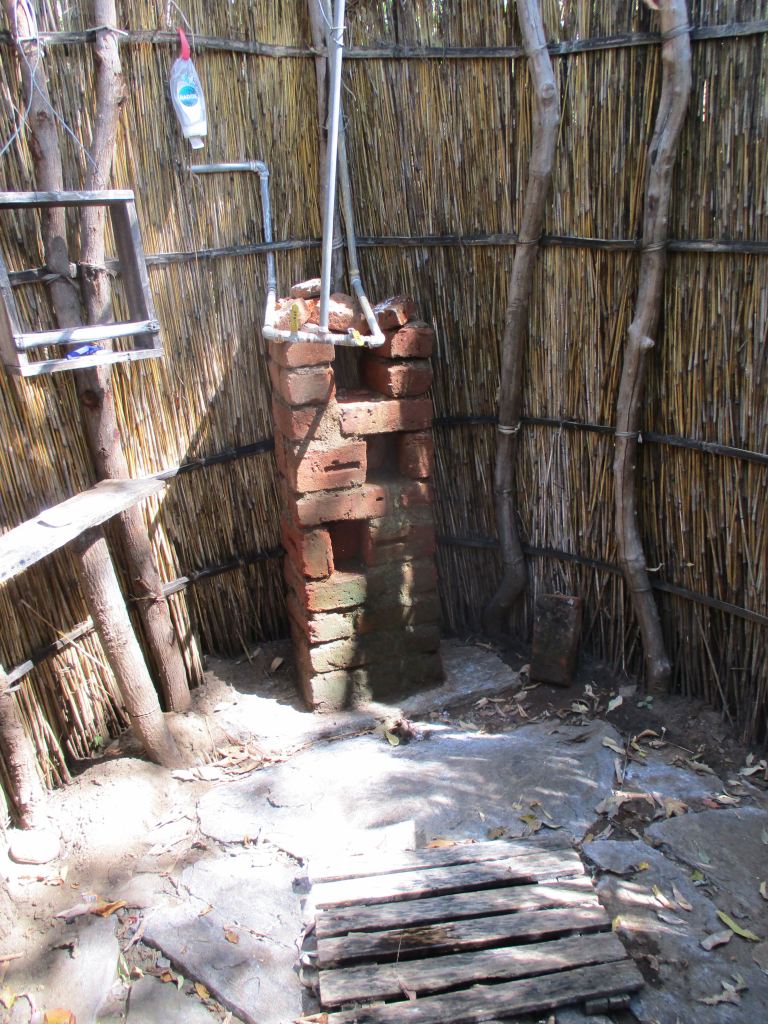
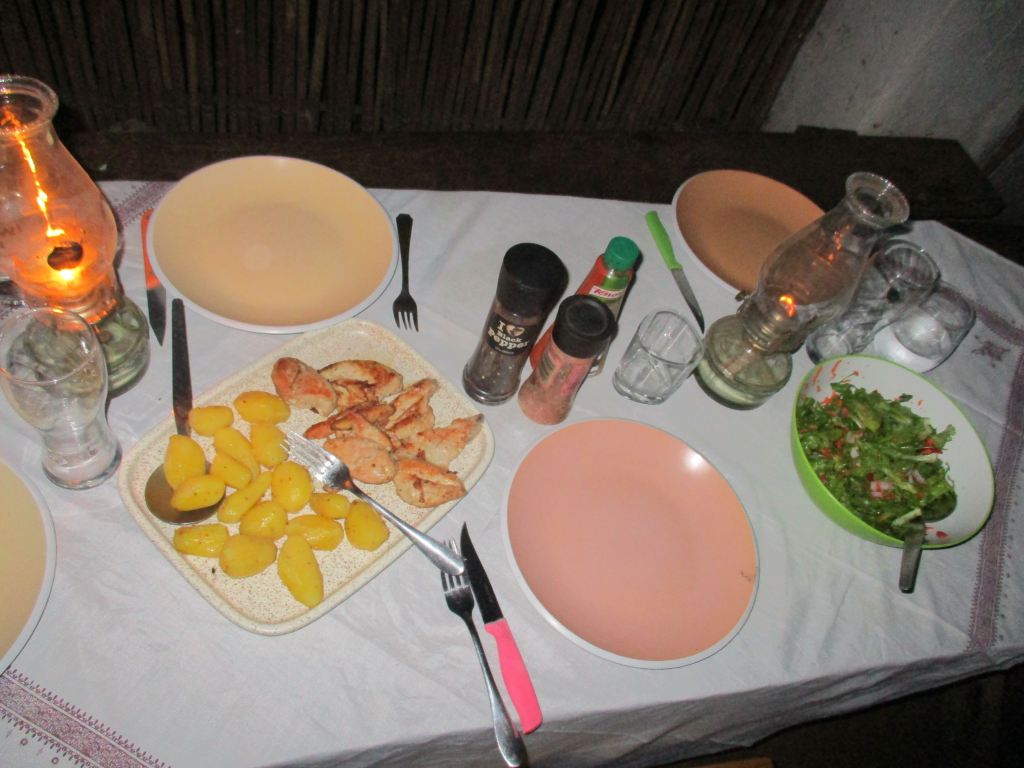
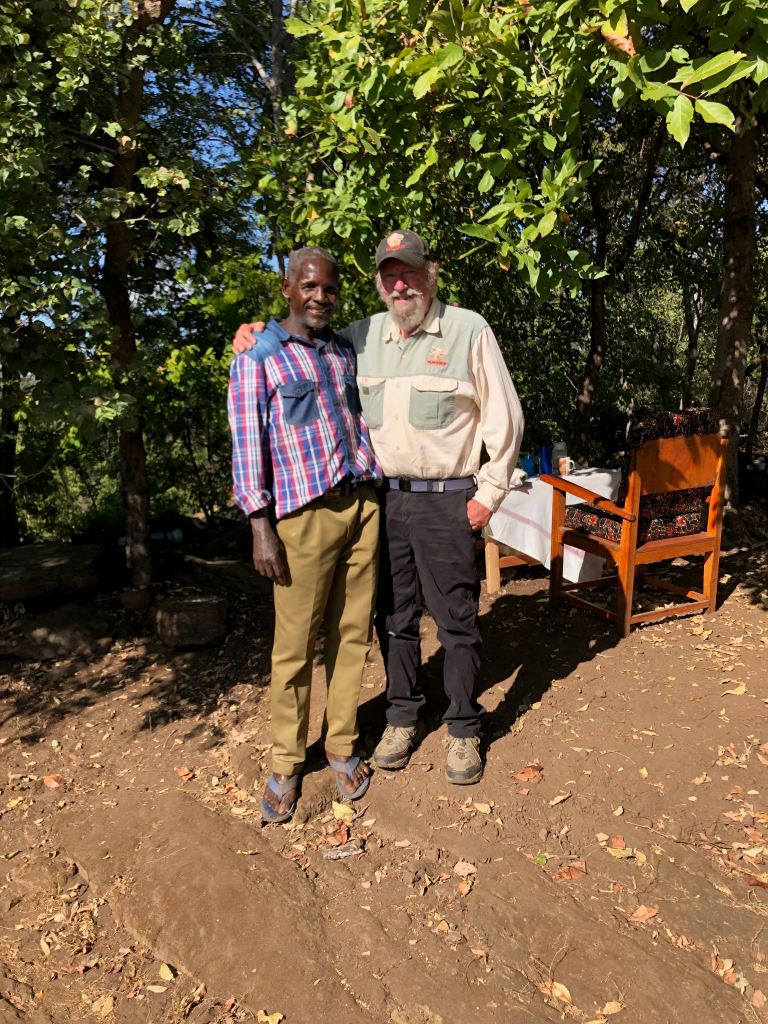
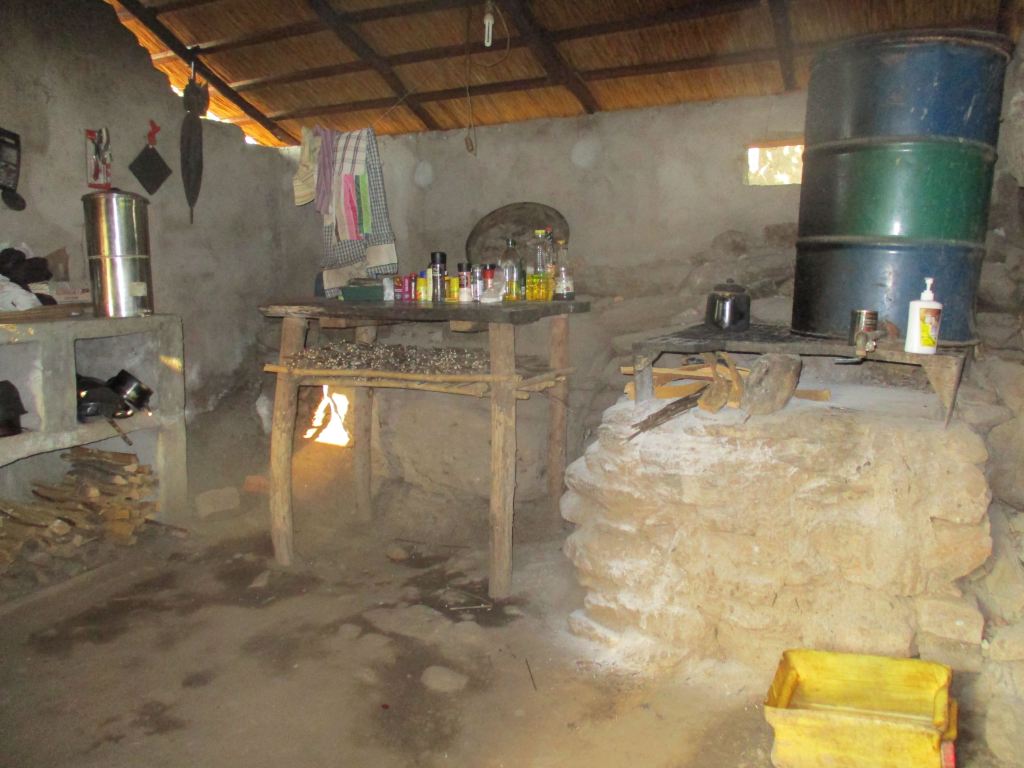
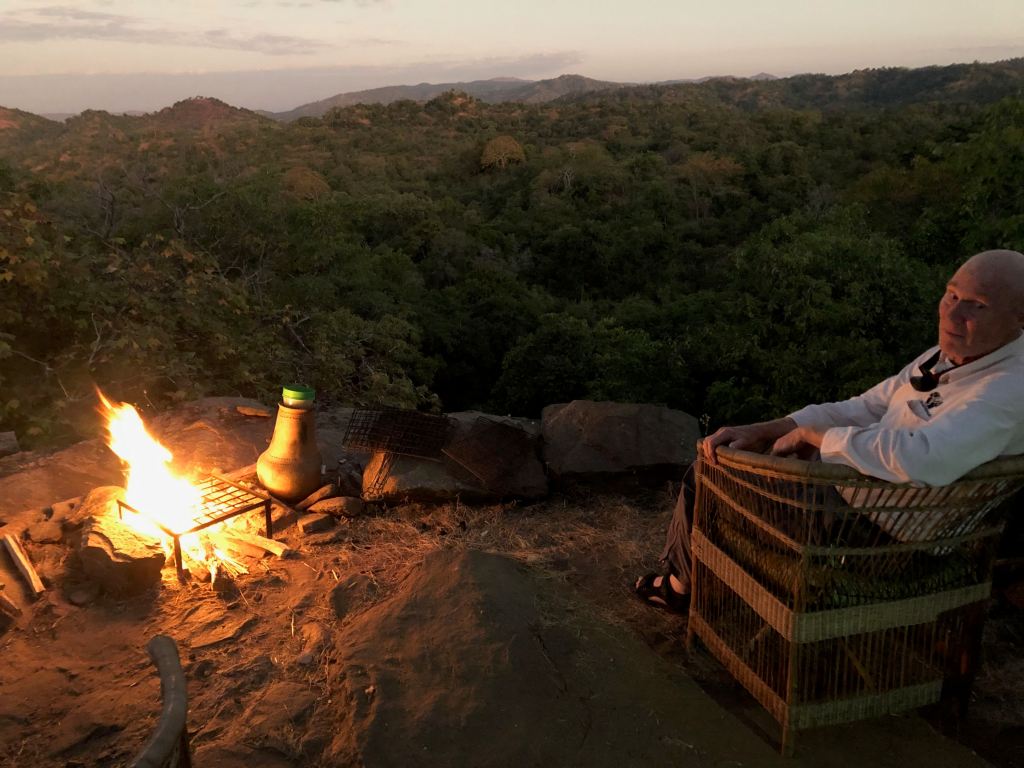
Following are some photos from the wells.

In the near future I will post about our efforts to help educate students.

Dame Daphne Sheldrick, naturalist extraordinaire

By Dick Houston & Jon Stevenson

Daphne Sheldrick was a remarkable individual. Born in 1934 in Kenya to British parents she became interested in animals at a young age and maintained that interest throughout her life. She is an author, an expert in animal husbandry and is particularly noted for the raising and reintegrating of orphaned elephants back into the wild. She along with her husband, David Sheldrick, was co-warden of Tsavo National Park for 21 years. She is the founder of the Sheldrick Wildlife Trust, (SWT) one of the oldest and most respected conservation organization. SWT is dedicated to the conservation, preservation and protection of wildlife.

Baby elephants are particularly hard to raise. They are usually orphaned because the mother has been killed by poachers for its ivory. They are often so traumatized they refuse to eat or drink and will die mainly from grief and loneliness. If they can get them to feed they have to be bottle fed a special formula every 3 hours round the clock. For years no one knew what to feed them as they could not process cow’s milk. It was Daphne who discovered that coconut milk is most like that from a female elephant and mixed with baby formula baby elephants could digest it properly. Her discovery is credited with saving thousands of baby elephants who would otherwise starve to death.

Sheldrick was a recognized authority on the rearing and rehabilitation of many wild creatures, including not only elephants but black rhinos, buffalos, zebras, elands, kudus, warthogs to name a few. For her work as a conservationist she was awarded an MBE, Most Excellent Order of the British Empire, by Queen Elizabeth and separately elevated to UNEP’s Global 500 Roll of Honor. She was awarded an Honorary Doctorate of Veterinary Medicine by Glasgow University along with several other prestigious recognitions from Kenyon, British and conservation organizations.

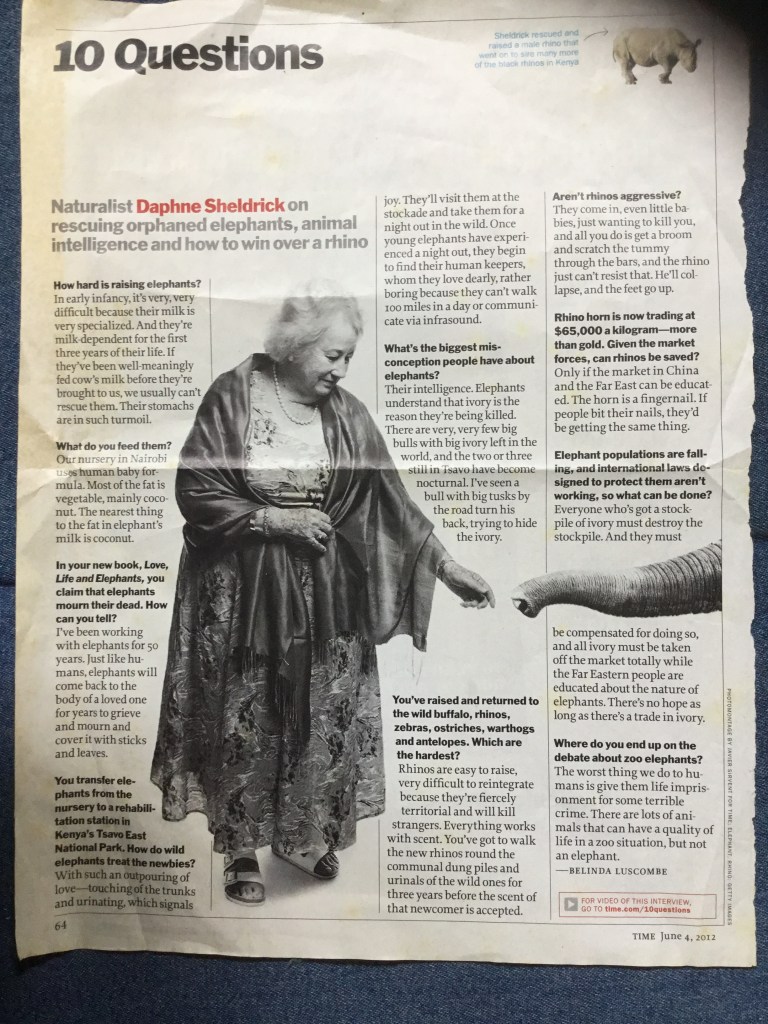
The page below is from an interview down by Time magazine in 2012. Daphne died in 2018 after a battle with breast cancer but her legacy will be felt for generations to come. Elefence recommends reading her book, “Love, Life, and Elephants: An African Love Story”.

REAL CONSERVATION

By Lynn Clifford

What a great end to the day !
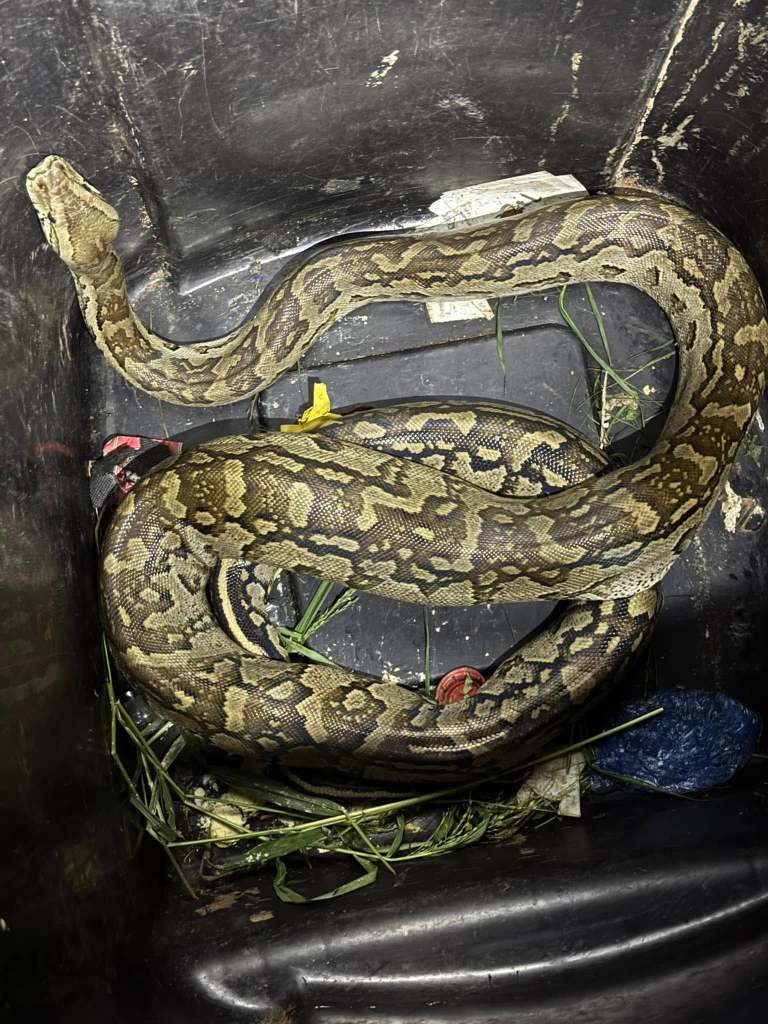
After a long day in the city (which I hate doing ) I got a call about a rescued snake needing a home ! So at about 7pm we met one of our fab partners Hector from #JCM who are responsible for several solar plants in Malawi. JCM as part of their environmental commitment have trained Hector about snake handling and capture. So hector captures any reported snake and contacts us so we can relocate them in a safe area in the wild. To date this partnership has relocated and released over 50 snakes back into the wild where they can live safely.
That’s conservation
This one was a young African python, approx 2 Meters long

FOREST RESTORATION

By Lynn Clifford, Wildlife Action Group field manager

January 2025 Tree Planting
We dug the planting pits and waited for the rains to come ! And we waited and waited as the rains came late. Then the first week of January they arrived and the fun began 🙂
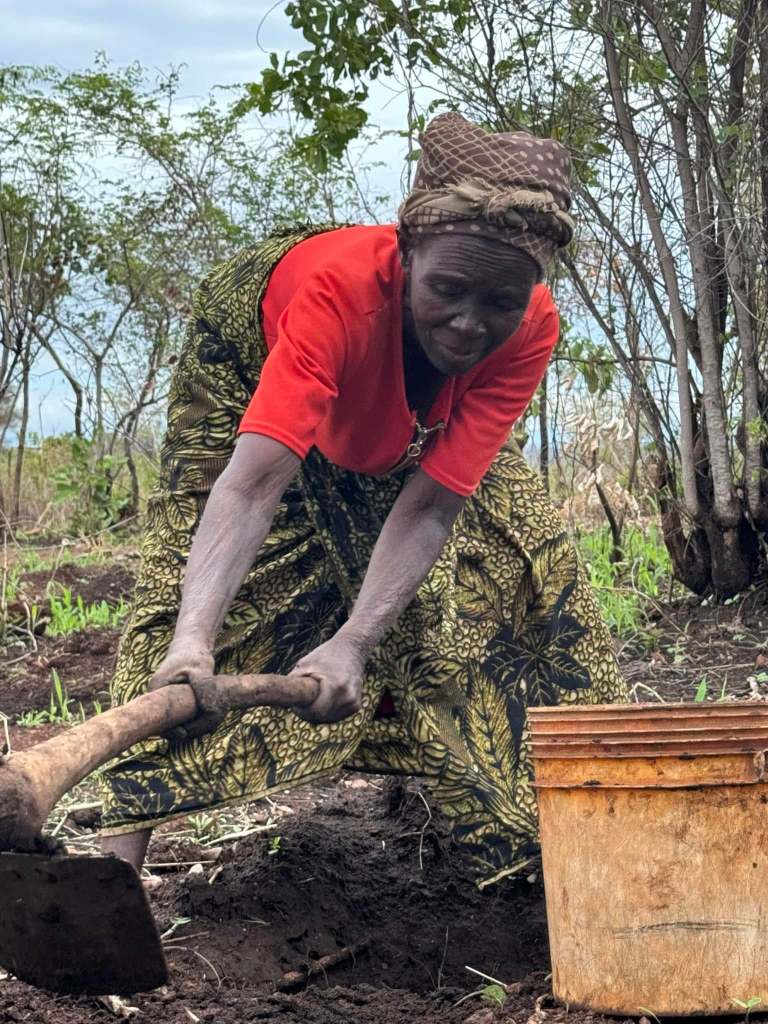
Over 53,000 seedling which had been painstakingly sown, and cared for in nurseries for months were at last ready to be planted.
2 sites totally over 80 hectares, in 2 different districts, over 20 different indigenous tree species planted by over 2790 fabulous community members, both men and women
This project could not have come at a better time as everyone was experiencing hunger so the cash for work allowed many to buy food!
This project is part of #TERRAMATCH, one tree planted.

FROM THE FRONT LINES

Contributed by Erin and Marianna B., Elefence supporters

In an exclusive interview, brave canine cadet in the combat on poaching, Tarik, tells us about the dangers of life in the African bush–and why it’s worth the risk.
After a concerning announcement was made by Wildlife Action Group and its partner organization, Elefence, on the rise of poaching in Malawi, we caught up with Tarik, one of WAG’s most devoted staff members, to learn more about the crisis.
EB&MB: Tarik, thank you for taking the time to speak with the us about your mission in Malawi. After reading our interview with Dick Houston and Jon Stevenson of Elefence International last year, our readers may already be familiar with the work of Elefence and Wildlife Action Group in attempting to heal the poverty and poaching crisis which affects the lives of both people and animals in Africa today. However, we’d like to learn more from you about what life is really like on the ground for a WAG officer. Could you tell us a bit more about yourself?
TARIK: “I’m a Rhodesian ridgeback, and my name means ‘Star,’ as I have a white 4 pointed patch on my chest which is somewhat typical of my breed. My sidekick, Lynn Clifford, is Field Manager for Wildlife Action Group, which is a Malawian non-profit conservation NGO. Our mission is to protect and restore Thuma and Dedza-Salima Escarpment Forest Reserves.”
So how does your specific breed help you to carry out this mission?
TARIK: “Well, my breed was originally developed in Rhodesia, now called Zimbabwe, where we were trained to hunt lions. So we can be really brave on the job. But actually, I myself had a very close call with a warthog. It was the last time Dick and Jon of Elefence were out here, and I can tell you, I learned a lesson the hard way.
I took off chasing a warthog–because, you know, I can’t help myself–and unfortunately I came back with a large gash on my hindquarters. And that wasn’t my only close call. Here in Malawi, there are a couple of diseases carried by flies that are usually fatal to dogs. I barely survived one just before Dick and Jon arrived at the WAG base camp. The cure is almost as bad as the disease as they administer what is basically a poison to kill off the infection and many times the medicine kills the dog…but not me! Life is dangerous for a dog in the African bush, so I have to be brave, but my friend Jon says I’m just a big friendly puppy.”
And as we’ve recently heard, life isn’t just dangerous for the dogs. Can you tell us about WAG Rangers’ recent encounter with poachers?
TARIK: “Sadly, poaching is on the increase in Malawi and that keeps me and my co-worker, Lynn, busy on the job, trying to protect the special animals who live here and the forest they inhabit. It’s important to note that these poachers don’t hunt game for subsistence–no–it’s greed for profit. As Jon has told you before, pangolins, for instance, can be poached and sent as far away as China just to make a profit on the market for animal parts. And like pangolins, many of these animals–elephants, warthogs, kudus, duikers, and more —are threatened species, and on average a team of poachers can kill up to three animals each time they hunt! A huge loss for the Malawian government and the country’s prospects of being a tourism destination! It also touches me personally, because the poachers use dogs. The dogs track, hunt and catch the animal quickly which is then hacked and or speared to death by the poachers. I’m here to show that dogs can play a positive role in conservation. Between September and December 2024, our dedicated WAG rangers caught eleven dog poaching teams. I want to show that dogs can be on the right side of this war on wild animals.”
And how do you help to play a positive role in supporting your fellow soldiers, Tarik?
TARIK: “Well, I’m Field Manager Lynn’s constant companion. Basically, I’m her First Lieutenant. Together we make sure base camp is supplied and our rangers are supported. Poachers are aggressive and rangers are assaulted in the course of their duty! These rangers only make $3 bucks a day. That is why we rely on generous donors to keep these men in the field. Otherwise poachers would overrun the forest and kill more and more wild animals to oblivion.”
WAG Rangers recently made several important arrests. Were any rangers injured in the line of duty?
TARIK: “Yes, one of my ranger friends was badly injured, and I’m including a picture of him here just to show how brave he was. I knew how much that must hurt when I thought about my warthog gash. And poachers are scarier than warthogs. They go armed into the forest with dogs, bows, arrows and spears!
They don’t understand what we’re trying to protect–but, like Nelson Mandela said, “If we do not do something to prevent it, Africa’s animals and the places in which they live will be lost to our world and her children forever.” So we are here taking these risks. Last week two suspects were arrested and this morning our brave anti-poaching rangers arrested 3 more, one being one of the most notorious poachers from Dedza who has been a very large thorn in our side all of this year! A second offender! All suspects have been handed over to the police for prosecution. Another win for our rangers!!”
Tarik, our Head Biologist, who is both a dog lover and passionate conservationist, is concerned about the fate of the dogs involved in the poaching. What happens to them when the poachers get arrested?
TARIK: “Many times the dogs escape when the owners are caught and run loose to kill again. Sadly the dogs that are caught must be euthanized. They have been trained to hunt and bring down game and are loyal to only one master. Lynn is a dedicated dog lover, and she and I are heartbroken that this step has to be taken but there is no hope of rehabilitating these dogs. It is our goal to make poaching with dogs so unprofitable and have such strict penalties that the practice will stop. Life is hard in the African bush–but it’s worth it.”

Interview conducted by Erin B. and Marianna B.,
with the assistance of Lynn Clifford of WAG and Jon Stevenson of Elefence.

Malawi update

We wanted to give you an update on some recent events reported by WAG. Lynn has had a rough holiday season with the increased poaching, the loss of her friend and cohort Austin and having just recovered from another bout of malaria. How she keeps smiling is beyond me.

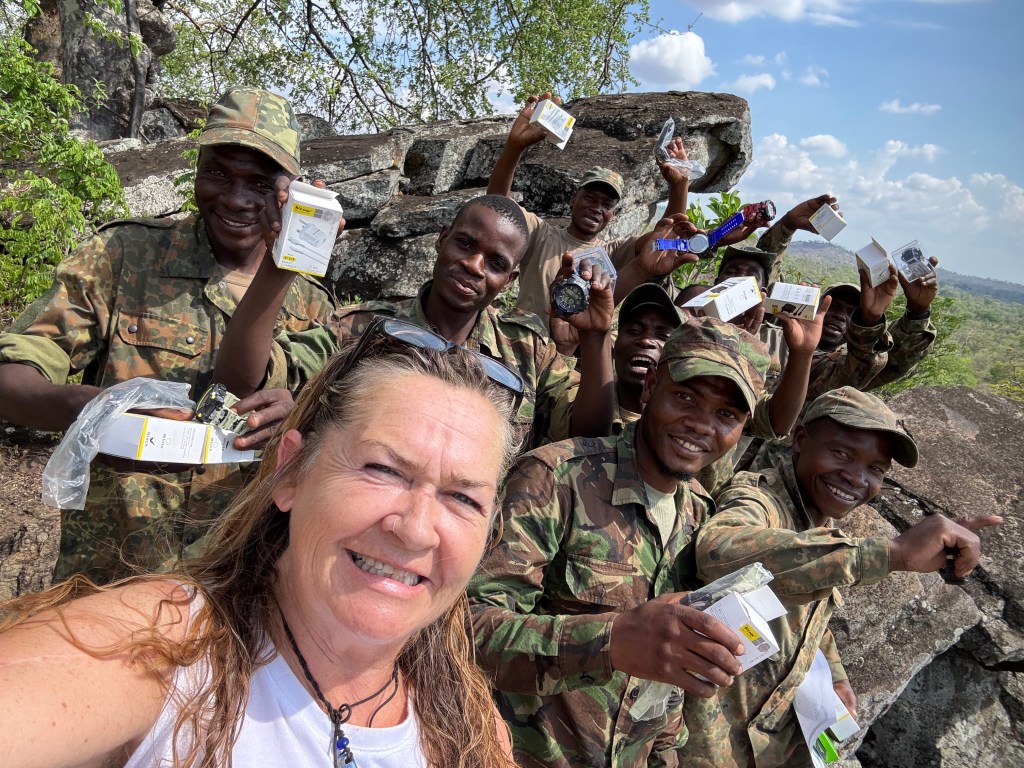
She sent a couple of pictures of her and the rangers after they received the Christmas bonus sent by Elefence and the gifts that the rangers received from WAG.

Lynn reported that they have planted 52,000 seedings in two sites previously deforested in the reserves. They arrested an ivory dealer and sized the ivory and arrested two charcoal burners cutting wood in the reserves. They are still trying to chase three bulls who left the reserve back into the forest. UPDATE Three people were killed last week by elephants from the reserve, a mother and infant child and a man trying to protect his garden. Elefence is working on securing a grant to complete the fence to keep wildlife in the reserve.

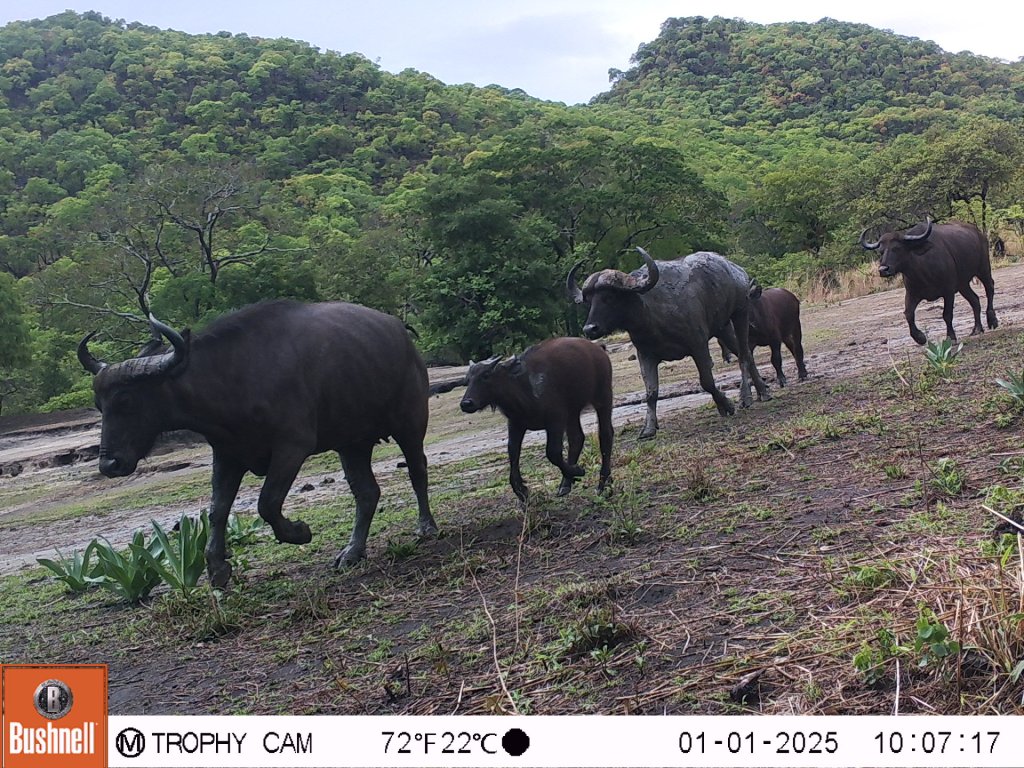
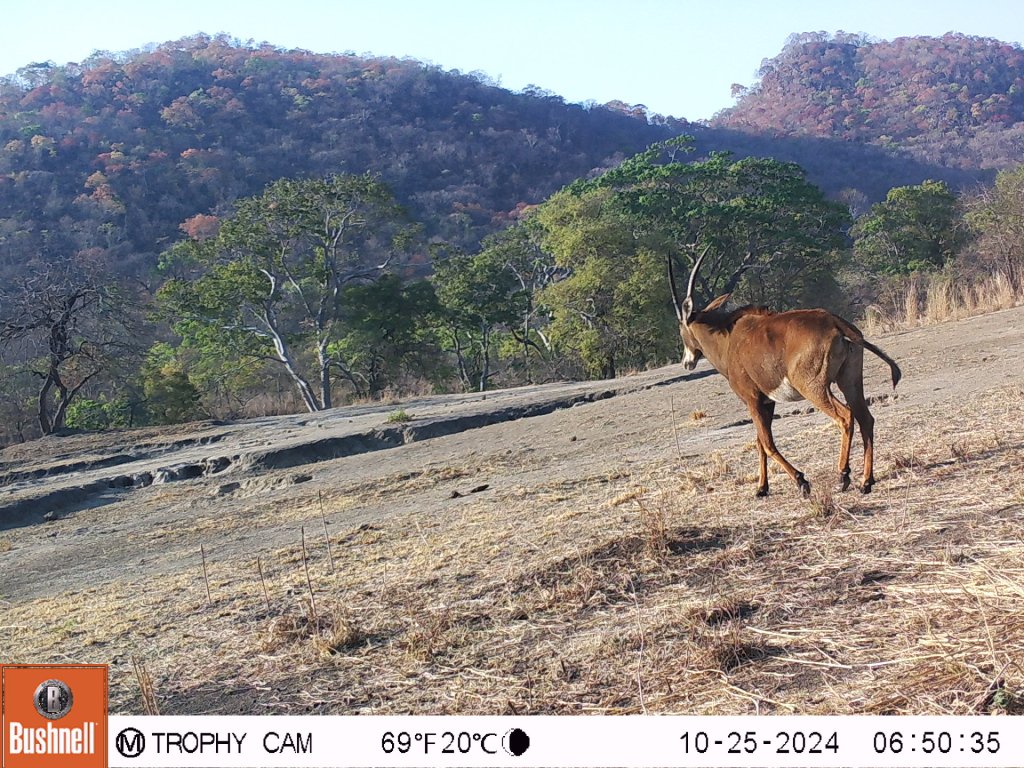
Below are photos from of the camera traps WAG sets out. The camera traps trigger a photo when movement is sensed nearby. WAG use the photos to keep track of animals within the reserve as well as people in the forest who should not be there. The background in the photos is a flat pan that has salt and mineral deposits. All types of animals visit it to get the minerals they need to maintain their health. It is a great place to get shots of all sorts of animals.

M2E160A1L217-0.0-0.0
M2E157A1L214-0.0-0.0
M2E152A1L210-0.0-0.0

Elefence is planning to supply some additional camera traps to allow WAG to expand its coverage in the reserves.

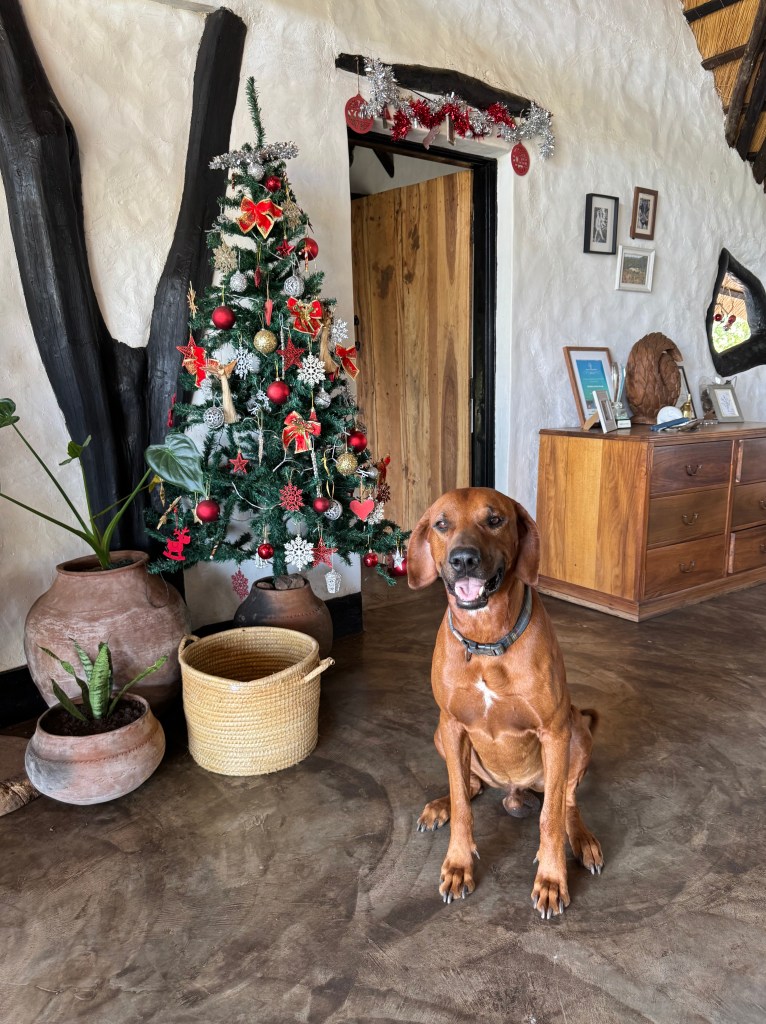
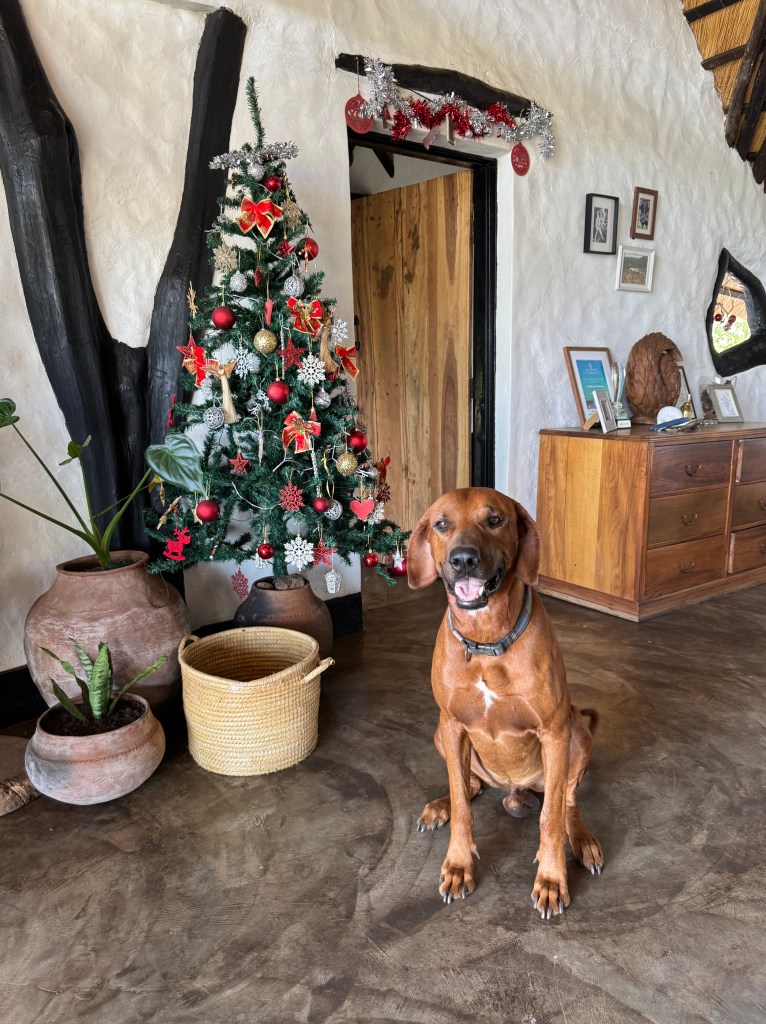
Finally a picture of Lynn’s canine companion Tarik by the Christmas tree in the lodge. Tarik means star which you can see on his chest. He is a Rhodesian Ridgeback and very friendly.

One of the Most Dangerous Jobs in the World!

By Dick Houston

A wounded ranger is pictured after a recent encounter with a gang of poachers. Fortunately it was only a flesh wound. But a WAG ranger was killed by a poacher a few years ago and another ranger was recently killed by an elephant while a third was gored by a cape buffalo. A forest ranger’s job is one of the most dangerous in the world. About 150 rangers worldwide die each year protecting wildlife according to the Thin Green Line (TGL) Foundation, an international charity.

Conflicts with poachers are responsible for 50 to 70% of ranger deaths on the job, according to data from TGL. The rest are attributed to daily challenges such as hazardous environments and dangerous animals – especially elephants and Cape buffalos.

Africa is know for its vast nature reserves, ecotourism and educational approach to conservation. Unfortunately, armed poachers and militant gangs are targeting African rangers. In Africa, an astounding 82% of rangers said they have faced a life-threatening situation in the line of duty.

WOULD YOU TAKE ON THIS JOB FOR $3 A DAY? This is why Elefence, in partnership with Malawi’s Wildlife Action Group (WAG), works to find financial support for the 51-man strong team of rangers. Elefence and WAG initiated a Ranger Cash Reward Program for various rangers who’ve shown meritorious work in the field protecting elephants and other highly endangered wild animals.

Keep in mind, these men struggle to feed their families while they are on patrol in the forest 25 days a month living in primitive conditions with no access to emergency medical care. If badly wounded in the field their chances of survival are slim. There are no medics on the patrol teams. ( Our pioneer Elefence trustee, Max Seymour, was a battlefield medic in Viet Nam, and knows well how crucial immediate emergency care is in the field.) {see Elefence team bios on our website, http://www.elefence.org.}

Elefence has just given the 51 rangers Christmas bonuses of $10 each. It is humbling and emotionally gripping to see these men so thrilled to receive such a modest amount. We wish it could be more , but we can only give what is contributed since Elefence and WAG are small organizations, continually and frustratingly, challenged to find funding. Sad that in a world run by billionaires these brave rangers who work to save fragile ecosystems and wildlife for the world’s future, scramble for crumbs.

Without funding, the rangers of Thuma and Dedza-Salima forest reserves will not be able to continue their work. If you are interested in helping these brave men, please contact us directly or make a contribution directly on the Elefence website. If you have donated recently we thank you -and be assured that donations go directly to our efforts in Malawi. Elefence International Inc. is a USA registered 501(c)3 charity and all contributions are tax-exempt.

Please remember to frequently check our blog for more stories about the rangers and their ongoing work to protect the forest and its wildlife

Merry Christmas everyone from ELEFENCE and WAG. Thank you for reading.

Lynn Clifford, WAG Field Officer Of Thuma and Dezdza-Salima Forest Reserves, is seen surrounded by her brave anti-poaching rangers who have recently expanded to 51 members. Thanks to Lynn and her team the Thuma Forest Reserve is now the most protected forest in Malawi. Work continues in the Dedza-Salima Reserve.

Poaching is on the increase in Malawi

By Lynn Clifford, WAG Field manager

Poaching incidences are on the increase in Thuma Forest (Malawi) especially poacher hunting with dogs, bows, arrows and spears! Last week two suspects were arrested and this morning our brave anti-poaching rangers arrested 3 more, one being one of the most notorious poachers from dedza who has been a very large thorn in our side all of this year! A second offender! All suspects have been handed over to the police for prosecution. Another win for our rangers!!

On average this year the hunting and killing of wildlife by men with dogs is extremely high, they are aggressive and rangers are assaulted in the course of their duty! These rangers only make $3 bucks a day. That is why we rely on generous donors to keep these men in the field. Otherwise poachers would overrun the forest and kill more and more wild animals to oblivion.

Why do poachers use dogs? The dogs track, hunt and catch the animal quickly which is then hacked and or speared to death by the poachers. On average a team of poachers can kill up to 3 animals each time they hunt ! A huge loss for the Malawian government and the countries prospects of being a tourism destination!

All of these animals — whether elephants, warthogs, kudus, duikers, and more — are killed for commercial gain NOT subsistence. It’s greed for profit.

This is the 11th dog poacher team arrested since September 2024 thanks to our courageous rangers. We can win this war on wild animals with your support.

Ranger injured while capturing poachers.

Thanks for reading.

The Martin and Osa Johnson Safari Museum

By Dick Houston and Conrad Froehlich

Martin and Osa Johnson. The FIRST motion picture explorers in history. In this photo, Martin and Osa film the Samburu warriors in northern Kenya, 1920s.

Martin and Osa Johnson were a swashbuckling husband-and-wife filmmaker team who “invented” the first non-hunting wildlife movie documentaries in history — long before Animal Planet.

PART ONE:

In a previous Elefence Blog post, we presented a video about Martin and Osa Johnson called “Wings Over Tanzania.”

One of the most unique museums in the world preserves the lost wildlife and tribal worlds of the Johnsons: the MARTIN AND OSA JOHNSON SAFARI MUSEUM.

The Museum is based in Chanute, Kansas — OSA’s hometown.

The Museum’s Director, Conrad Froehlich, is an Honorary Trustee of Elefence International.

Note: parts two, three, and four will follow in subsequent posts.

The Martin and Osa Johnson Safari Museum is the epicenter of the motion picture history of pioneering African safaris, Borneo, and South Sea Island adventures in the early 1900s.

In the 1920s and 30s, Martin and Osa Johnson were household names as recognizable as Charlie Chaplin, Douglas Fairbanks, and Amelia Earhart.

The Johnsons pioneered flights over Africa — some 60,000 miles over the Dark Continent of unexplored jungles. They used two Sikorsky amphibious planes, necessary to land on rivers and lakes since there were still few wilderness airstrips in Africa in the early 1930s.

They barely survived some harrowing near-death-defying experiences in flight. At that time, there was no radar, no airfield radio communication in remote Africa locales — flying blindly into horrific rain storms with ZERO visibility. One can only imagine the terror — and the guts it took to do that. As a result, they preserved aerial images of once pristine landscapes that no longer exist.

No wonder their motion pictures were always box office hits on Broadway — and at hometown theaters across America and around the world. The Johnsons also pioneered the first all-talking sound motion pictures in Africa.


Please stay tuned for Parts two, three, and four in succeeding posts. We’ll tell the fascinating story of the Johnsons in a little more detail. And how their historic photographic record is preserved — including their one-of-a-kind original artifacts of exotic travels — at the award-winning Martin and Osa Johnson Safari Museum.

And learn how the facility is a living museum today for research — and creates awareness for preservation of endangered elephants and Africa’s shrinking wild places.

TOAST

By Nic Polenakis

There are few places on earth where one can walk with wild elephants. Mana Pools in northern Zimbabwe is one such place.
 
When approaching elephant bulls while walking, it is important to remain downwind undetected (the elephant’s scent is blowing towards you) as most animals are instinctively fearful of man on foot.

Some bulls in Mana Pools can be extremely relaxed and accepting of humans. The trick is finding out which ones are ‘friendly’!

I was walking with some of my guests when I spotted this young elephant bull eating fallen pods from a winter thorn tree. This tree has extremely nutritious, protein-rich pods and are sought after by many animals in Mana, especially elephant. 

We slowly approached to within a safe distance, where I purposely now allowed our scent to waft upwind toward the elephant! I didn’t want to surprise him. Elephants have an incredible sense of smell and could have picked up our scent from a huge distance away. I watched for his reaction. This is a simple way of gauging how receptive an elephant is to one’s presence.

It was at this time that I recognized the young bull as an elephant we called Toast — named after his habit of stealing toast off the camps’ breakfast tables! And I knew him well as a very calm bull.

I decided it was safe for us to edge ever closer to him. It was breathtaking as we stood under a tree and watched as he calmly walked around picking up the pods unperturbed by our presence.

As he ambled around the tree he slowly made his way towards us. This is when I placed myself in front of my guests. I then stood next to some of the delicious pods and knew he would soon approach, of which he did not disappoint!
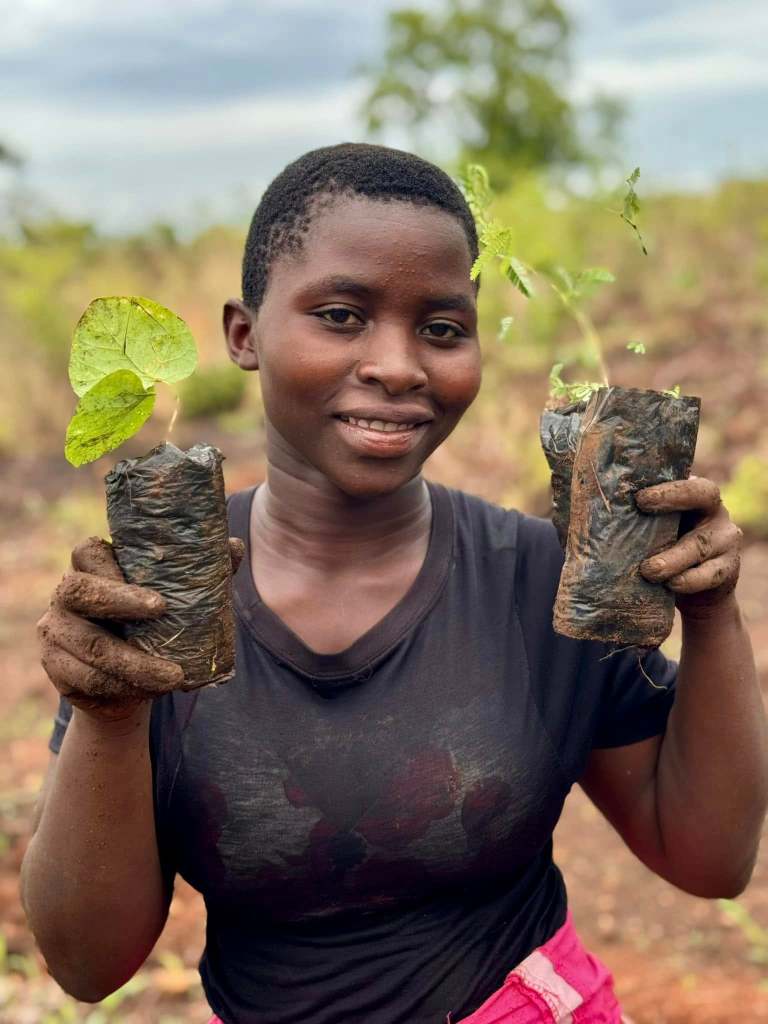
Toast walked closer and closer and looked at me carefully, trying to ensure I was a friend and not a foe. After a few tense moments, he walked even closer till he stood right in front of me! Then he continued eating the pods.

He stood with me for some time investigating my scent with his trunk — and then suddenly turned and continued his search for more pods.

You can see why I love elephants. Their intelligence for sizing up a situation never ceases to amaze me.
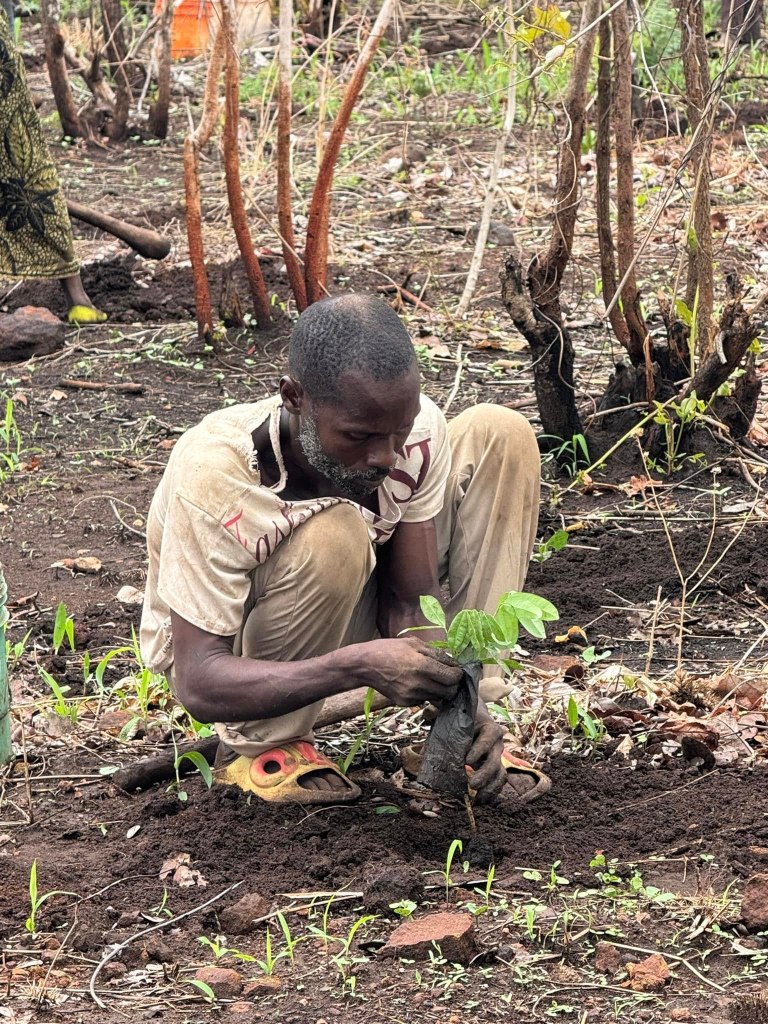
Nic Polenakis
Safari Guide and Elefence trustee

Elefence addendum: Nic is a certified professional guide who was named by National geographic as one of the top ten safari guides in Africa. He has the uncanny ability to read wildlife, especially elephants, which is how he is able to get so close as pictured above. He is not a hunter, but is required to carry a rifle in order to protect his clients in an emergency. Check his website http://www.myprivateafrica.com