As we have stated on our opening page the production of charcoal is the primary driver of the destruction of Malawi’s forests. Malawi has no significant natural resources, i. e. gas or oil and no significant amount of minerals. It produces little of its own electricity which it must purchase from outside the country often causing blackouts and shortages because it cannot pay for it. The only fuel for cooking or heating comes from charcoal which is produced by cutting trees and heating the wood in crude kilns. This is totally illegal but the government does not enforce it since there is no viable alternative for its population.
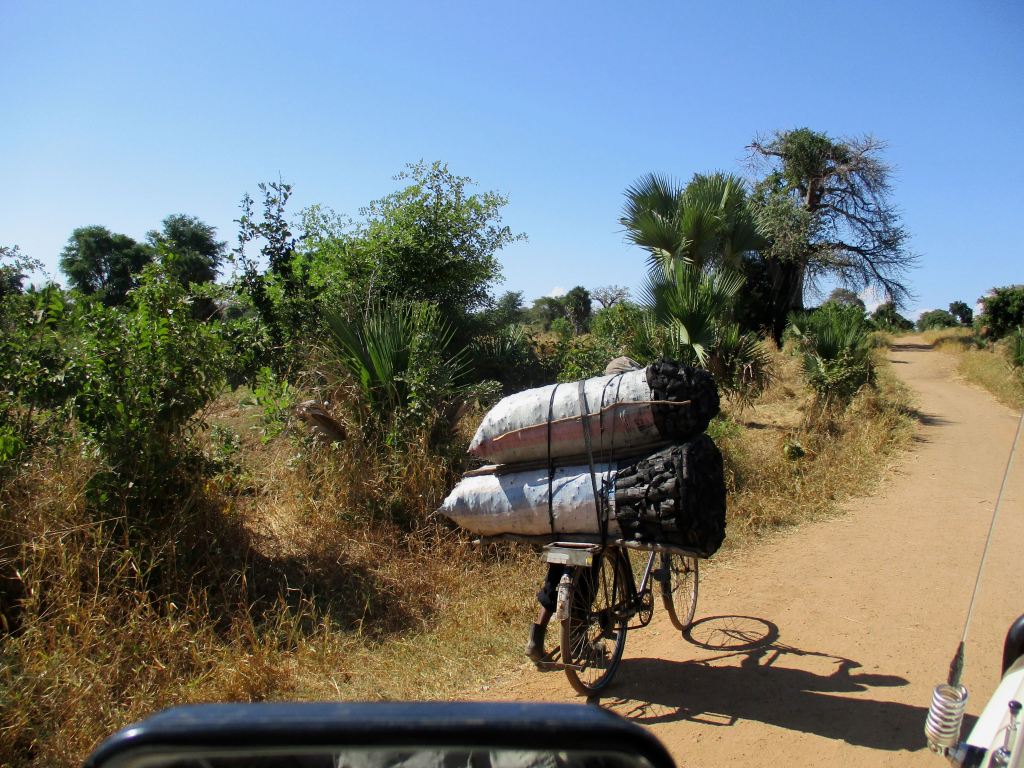
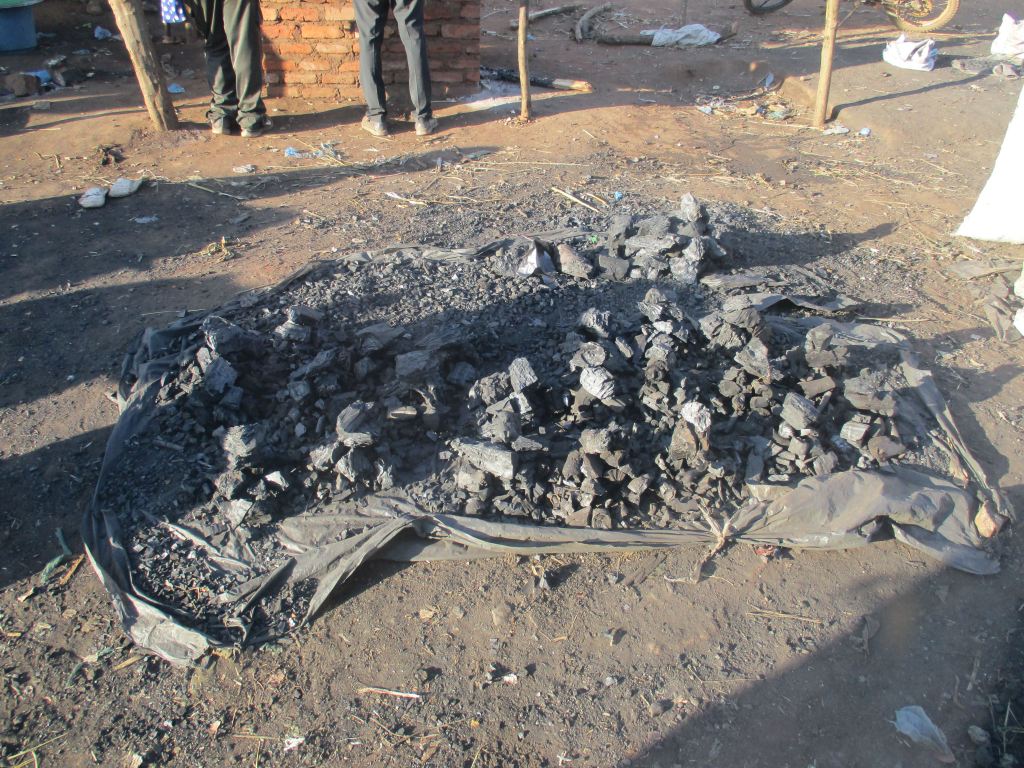
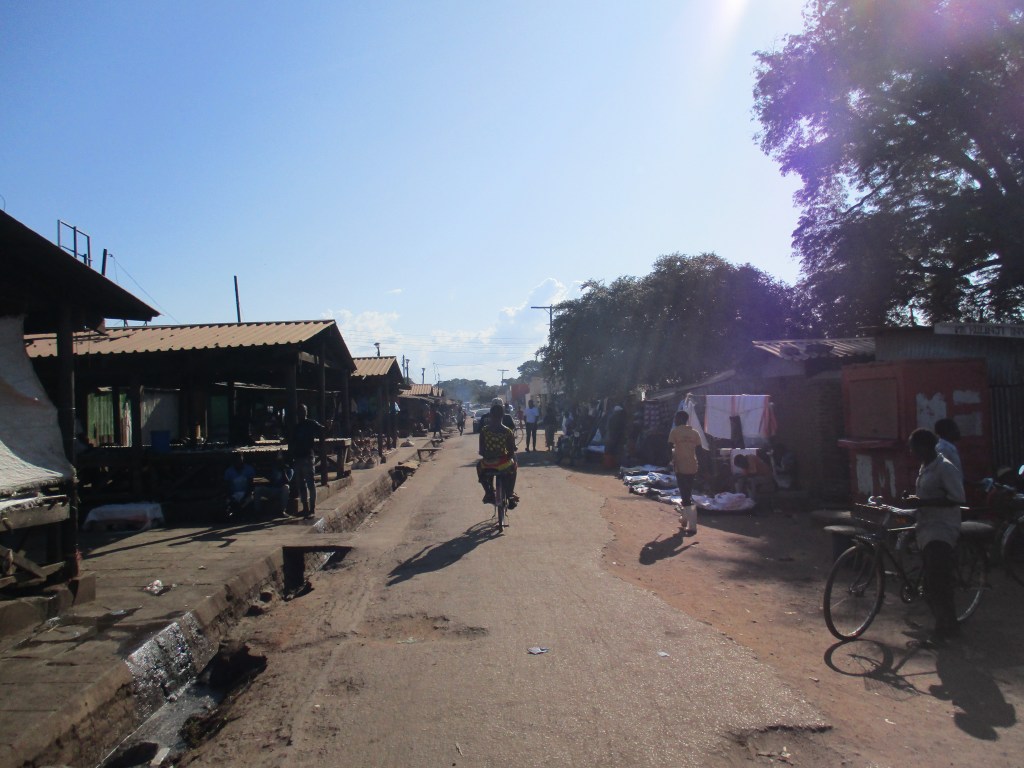
The charcoal is produced in remote locations and then must be transported to population centers for sale. Every day we saw individuals pushing loads of charcoal stacked high on bicycles. The men doing this would push the loads 6 – 10 miles, up and down hills and be paid a pittance for their efforts. The charcoal was spread on the ground and sold in small bags to women who could then go home and cook a hot meal for their family.
Malawi does have abundant sunshine and solar ovens are an alternative but the cost is prohibitive. There has been discussions about community solar ovens for cooking and baking but as yet there is no way to fund them. So for now the country continues in this death spiral of stripping itself of its beautiful forests.
A bright spot is the commercialization of bamboo which grows naturally in Malawi and is abundant. Villages are planting stands of bamboo which can be used as a fuel directly or made into charcoal. Villagers can secure a permit to go into the forest and harvest bamboo for a variety of purposes not the least of which is construction. Of course a ranger must escort them and stand guard to protect the workers from elephants and Cape Buffalo. Bamboo is light, strong, long-lasting, takes almost no care and grows quickly. Efforts are foregoing to expand the use of this versatile material.
Malawi is a predominantly Christian country with 87% of the population identifying as Christian and 12% as Muslim. The largest denomination is the Roman Catholic Church which has had a presence in Malawi for 150 years. The second largest is the Church of Central Africa Presbyterian. There are several smaller Presbyterian denominations as well as a smattering of Anglicans, Lutherans, Baptists, Seventh-day Adventists, Methodists and evangelicals.
In traveling around the country we saw any number of small church buildings for all the different denominations. For the most part most of the Protestant churches looked somewhat seedy and poorly maintained but that may be just the fact that Malawi is such a poor country. In contrast, however, the Muslim churches were brightly painted and well kept. It was easy to pick out the Muslims walking the streets with their long robes and small hats. We were told that the two groups got along well and there was almost no conflict between the two. There is a lesson there and one more reason that Malawi is called ‘The Warm Heart of Africa’.
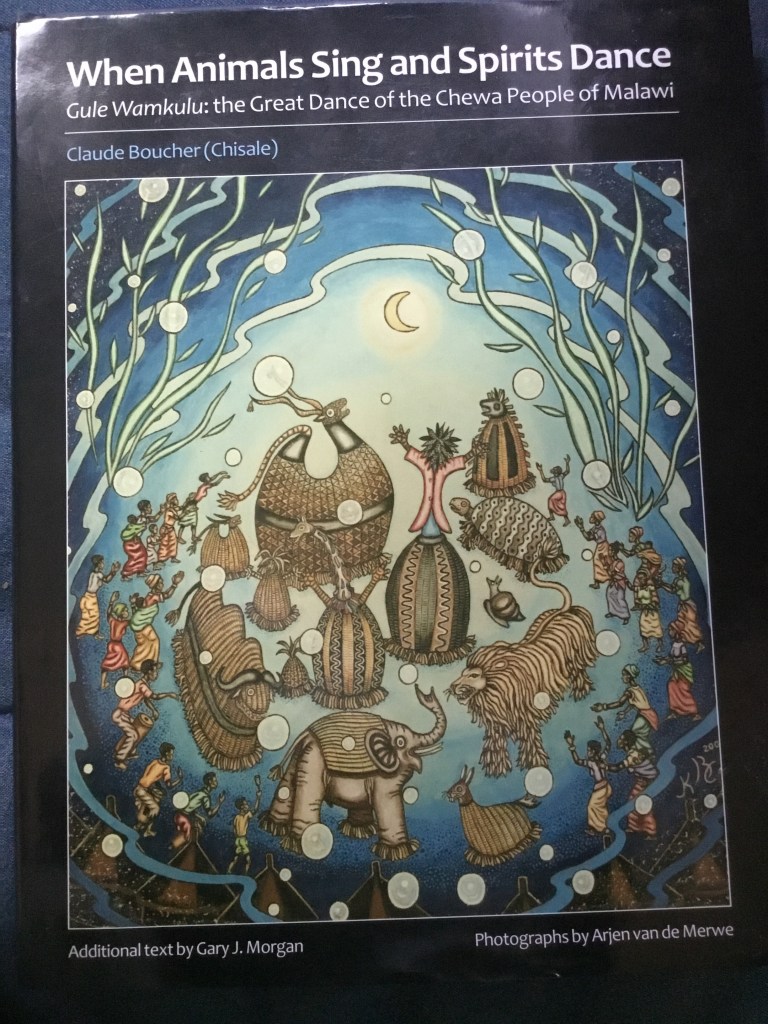
Lynn took us to one of the oldest Catholic churches where we sat and talked to Father Claude Boucher, an old priest who had been there over 50 years. He told of stories of the early days of his time in Malawi where the lions would come out of the forest at night and walk around the mission which was quite small at the time. Everyone slept on the balcony to be safe from the lions at night. The lions are now mostly gone with the deforestation which has ravaged the countryside. He was somewhat bitter as the church was forcing him to retire and were pushing him aside. He had been offered a place in a retirement home back in Europe but he wanted to stay in Malawi until he died. He has written one book about the Malawi people and is working on his memoirs. Lynn is quite close with him and tried to console him about his recent forced retirement.
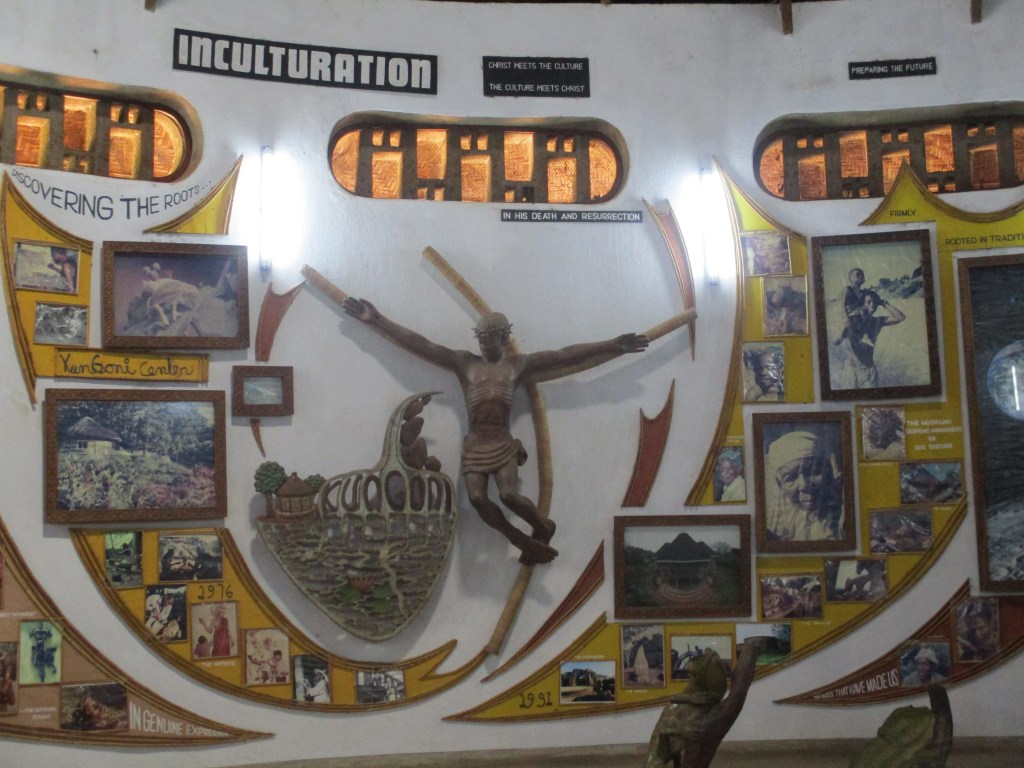
The Catholic church building was quite large and well kept. They had dedicated a whole room with a great many pictures about Malawi history. We toured the room with a man who explained all about the numerous pictures but unfortunately with my bad hearing I missed a lot of it. I was impressed by the stylized depiction of the Crucifixion of Jesus which had definite African influence. In their gift shop was a nativity which was beautifully done and positively African in design. I desperately wanted to bring it home but I knew it would not survive the trip.
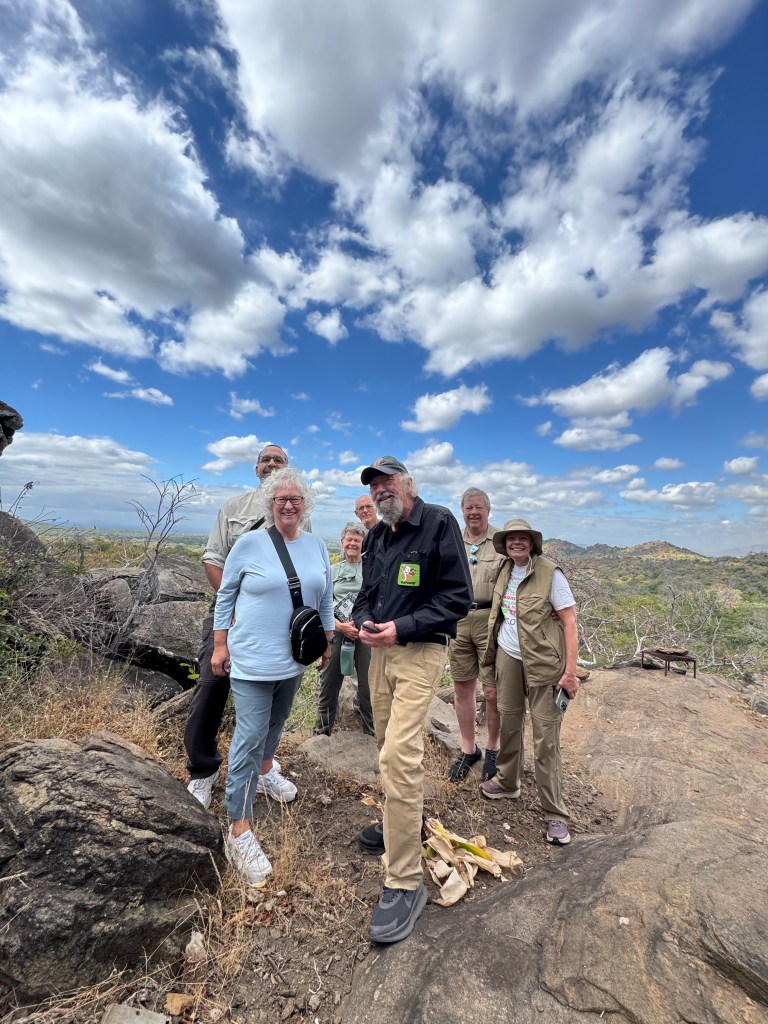
A few weeks ago our president, Dick Houston, coordinated and led a group 6 persons on a trip to Africa. The group consisted of Elefence co-founder Bruce Lowe and his wife and 2 other couples. The group spent 5 days at the WAG safari lodge and visited a school, villages and saw the work being done by the rangers.
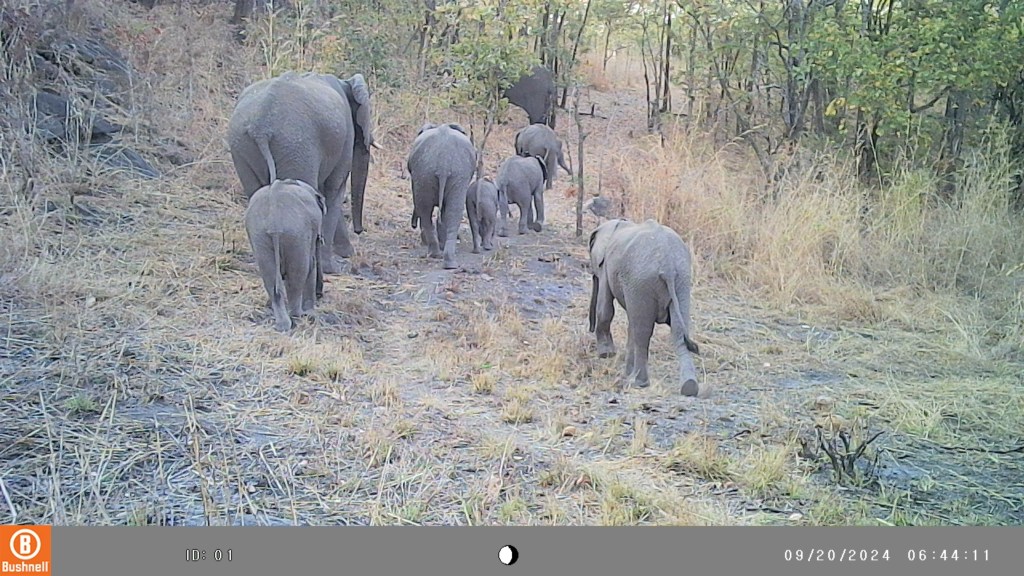
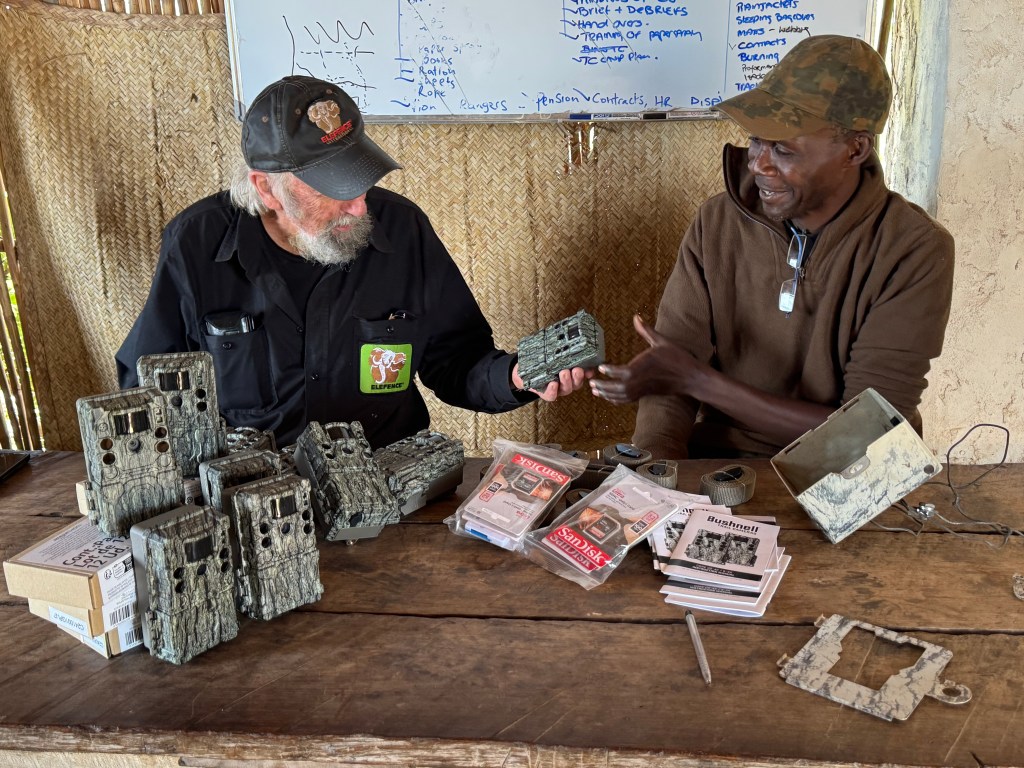
Dick carried with him a new laptop computer & case ($450) for Lynn to upgrade her system requirements to keep track of all the data, photos and charts required to keep things operating smoothly. He also brought 10 Trail Cameras, plus memory cards and rechargeable batteries for the cams ($1850). Trailcams are necessary to record animal movements and counts and in some cases provide information on illegal activities in the reserves. The cameras are equipped with removable memory cards which are brought back to the office for evaluation.
Dick giving trail cams to a ranger
The laptop, cameras and accessories were made possible by donations by individual Elefence supporters.
The group also toured the new WAG office and storage facility. The facility was powered by a 8 kw solar system again made possible by a generous donation from a supporter at a cost of $18k. The new facility is a huge improvement over what WAG had to use for operations in the past.
Old WAG Office
New Office & storage facility under construction.
Solar controller and batteries
While they were there the three couples stayed in the new lodge and said it was great. Dick stayed in the ranger base camp. All visitors paid their own expenses.
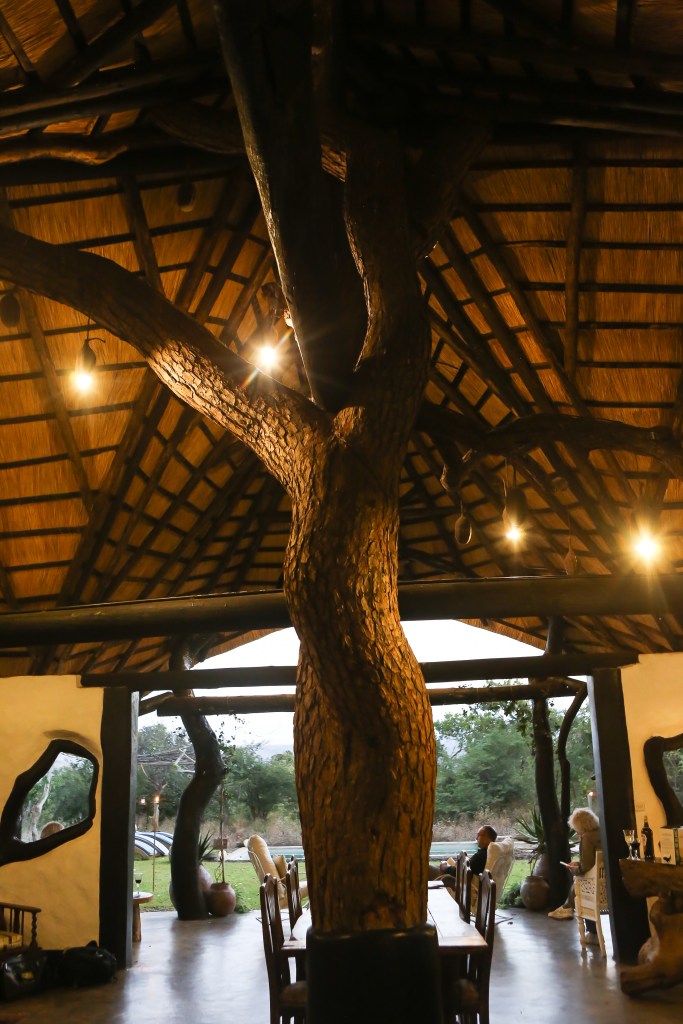
The center of the lodge. Elephants walked by often.
The group came away with a much better understanding of WAG’s efforts and especially the dedication of its manager, Lynn Clifford. Lynn has committed her life to saving the two forest reserves and improving the lives of the local people.
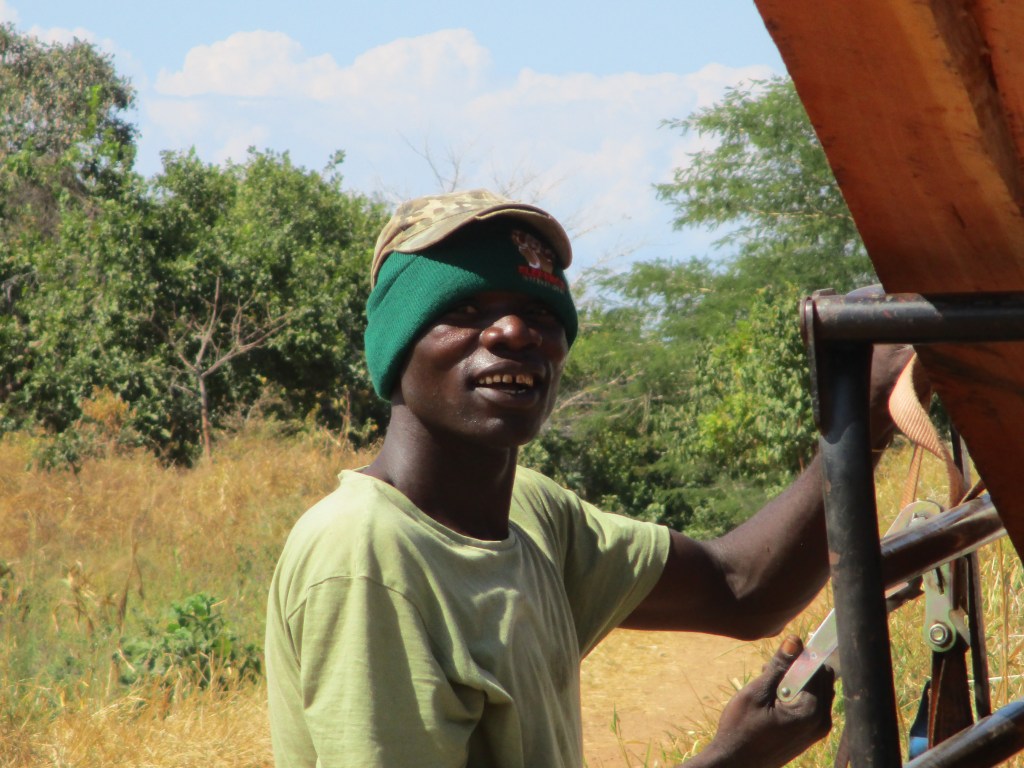
For our trip we wanted to take something for the WAG rangers. In communicating with Lynn she suggested we bring some ‘beanies’ or what we call stocking caps. Winter in Malawi can get cold, especially at night when the rangers are on patrol or stationed at one of the satellite camps throughout the forests. We contacted a local company to produce these with the Elefence logo on them. A couple of our loyal supporters stepped up to fund the purchase. We passed them out to as many of the rangers we encountered and left the balance from the original 50 with WAG. The rangers seemed to appreciate them and some even wore the on a couple of warm days.
On our second day in camp we went on a pangolin feeding bush walk with the rangers. A description of our walk is in an earlier post in the blog. While we were on the walk a radio call came in telling us to come back to camp because MR. M was coming. We did not know who he was but figured he must be someone of importance. We jumped into the Land Cruiser and bumped our way back to camp where we discovered MR. M was an elephant, so named because he had what looked like a M on one ear. I could not see it. The video below was shot from my hut. I remembered that I had heard something big outside my hut in the middle of the night but I elected not to go out and check. Of course my grass hut would not offer much protection as an elephant could walk through it without any trouble.
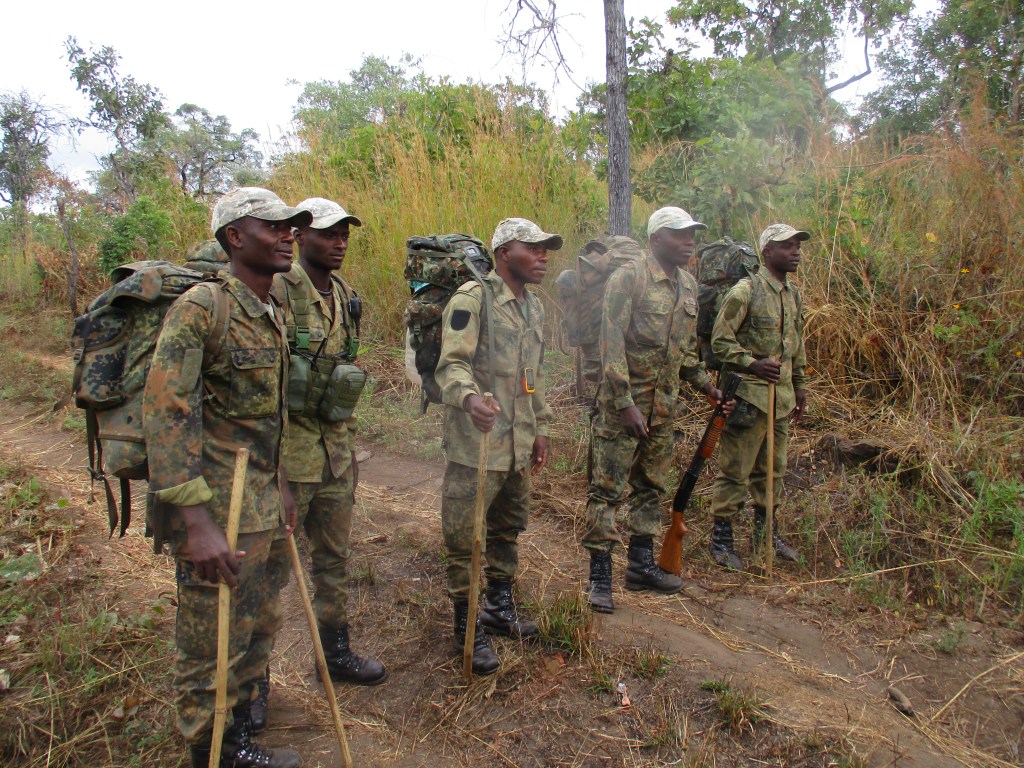
One afternoon while we were in camp a tip came in that a poacher was operating in Thuma forest. A team of rangers were called up to investigate. They suited up and we ferried them out into the area where he was reported to be operating. The rangers carried large packs and they were to spend three days in the forest patrolling and watching for the poacher. They caught him on the second night and he was brought in for trial. Unfortunately he had already killed a warthog but he will be going to prison for a long time as Malawi courts hand down some severe penalties for poaching.
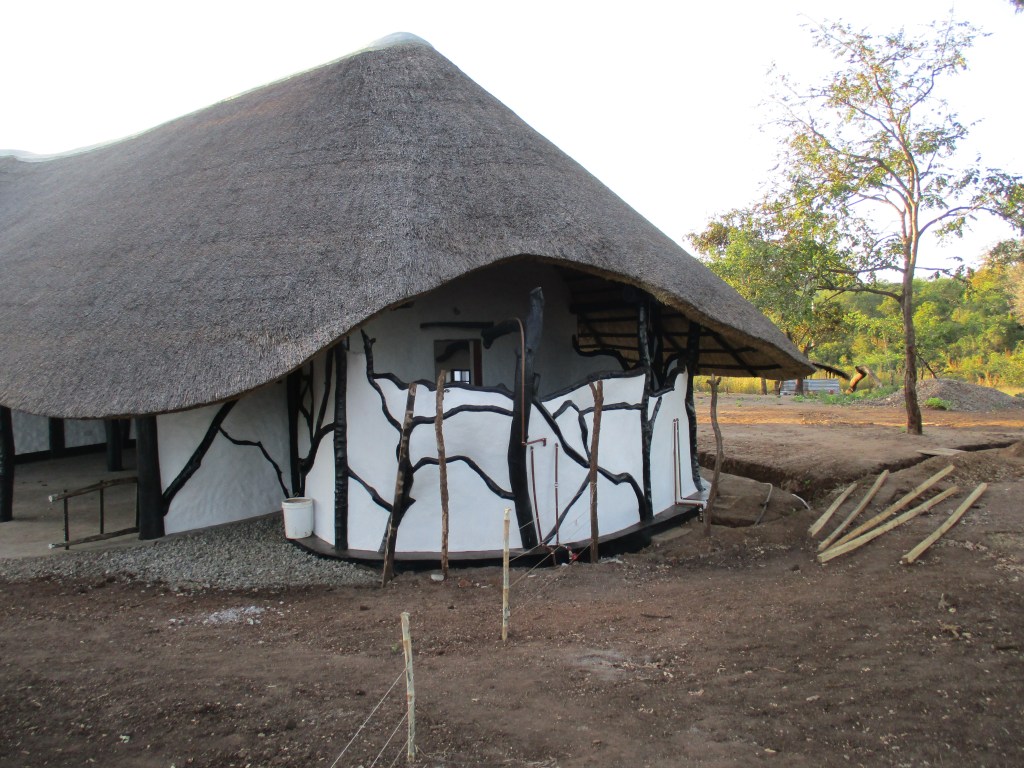
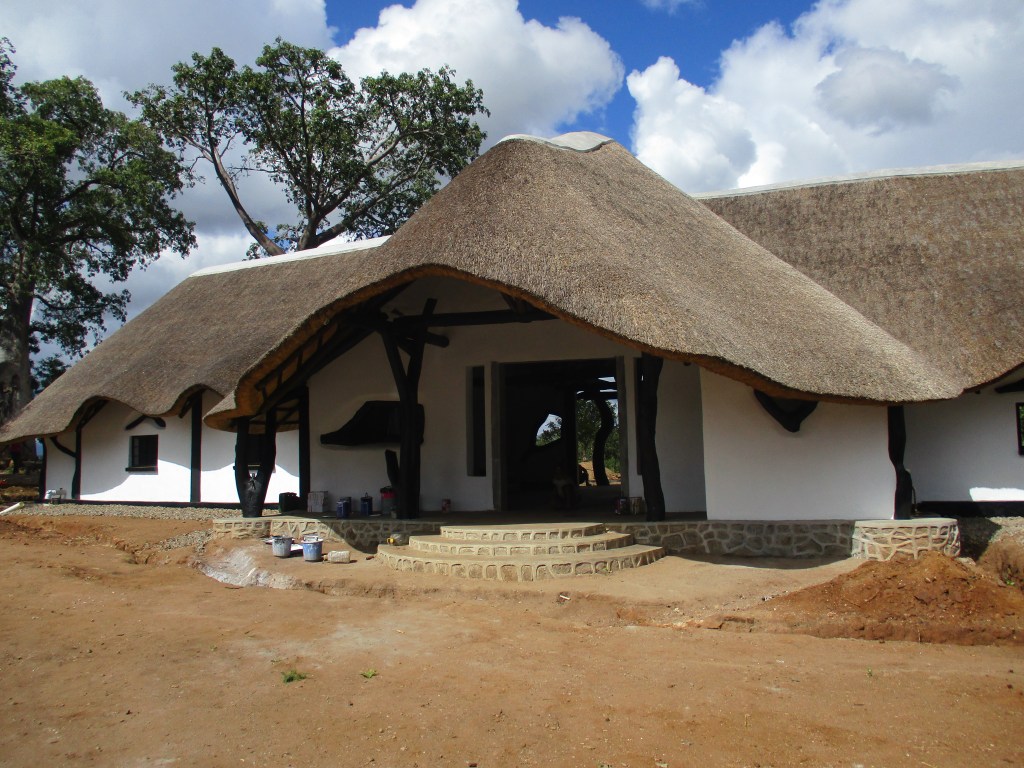
We made several trips to the lodge being built to attract tourists to Malawi. Lynn is directly supervising the design construction and it will be beautiful when complete.
We went to one of the ranger satellite camps in the forest and spent a night. These camps are even more spartan than the base camp but it gave us more appreciation for the dedication of the rangers.
We went to the local market in Salima. It looked like there was a great deal of produce available but Lynn reminded us that this was right after harvest so things looks pretty good. Unfortunately there is little in the way of preservation so what is not consumed quickly will go to waste.
We left Malawi with a much better appreciation for the work being done by WAG. The crushing poverty we saw was depressing but it was offset by the spirit of the Malawi people. For much of the time Dick, Lynn and myself were the only white people we saw but I never felt any animosity from the locals. As we rode along through the villages the people would wave and the children would run out to the road and jump and clap. Malawi is called the “Warm Heart of Africa” and I can see why.
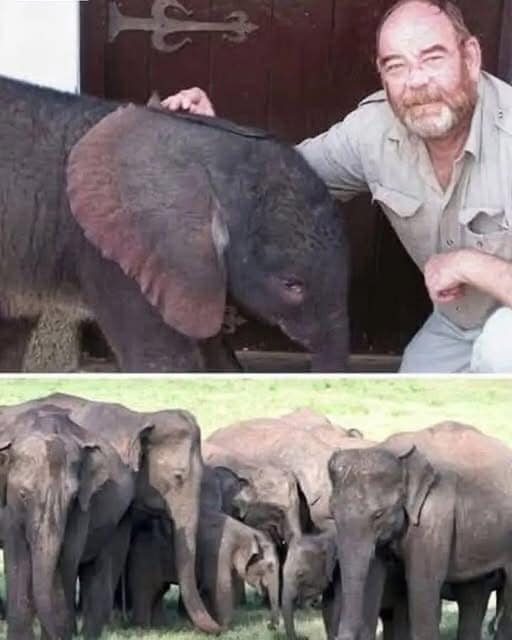
No one called them. No one told them. But they came. On the day Lawrence Anthony known as The Elephant Whisperer died in 2012, something unexplainable happened in the heart of South Africa. From miles deep in the wild, a herd of wild elephants began walking slowly, purposefully, to Thula Thula, the wildlife reserve he had built with love. They arrived in silence. They came in mourning. They stood vigil for two days beside his home grieving the man who had once saved them from being shot and destroyed. Anthony wasn’t a trained elephant handler. In fact, when he took in a rogue, dangerous herd, most thought it was a death wish. But he earned their trust, especially that of the matriarch, Nana. Through calm, courage, and heart, he gave them a second chance and became family. And they never forgot it. What made this moment so powerful wasn’t just the timing. It was the way they knew. The way they came back. For years after his passing, the elephants returned on the anniversary of his death, standing again in silent remembrance. Some call it coincidence. Others believe it’s spiritual instinct. But to those who saw it, it was something far greater a soul-deep connection between a man and the wild creatures who felt seen, protected, and loved. Lawrence Anthony’s legacy is more than conservation. It’s about the unspoken bond between humans and animals proof that love, respect, and compassion don’t need words. In memory of Lawrence Anthony (1950–2012) Protector of the wild. Friend of giants. Forever whispered in the footsteps of elephants.
As printed in National geographic
We suggest you read the book The Elephant Whisperer to learn about the man and his incredible devotion to saving elephants.
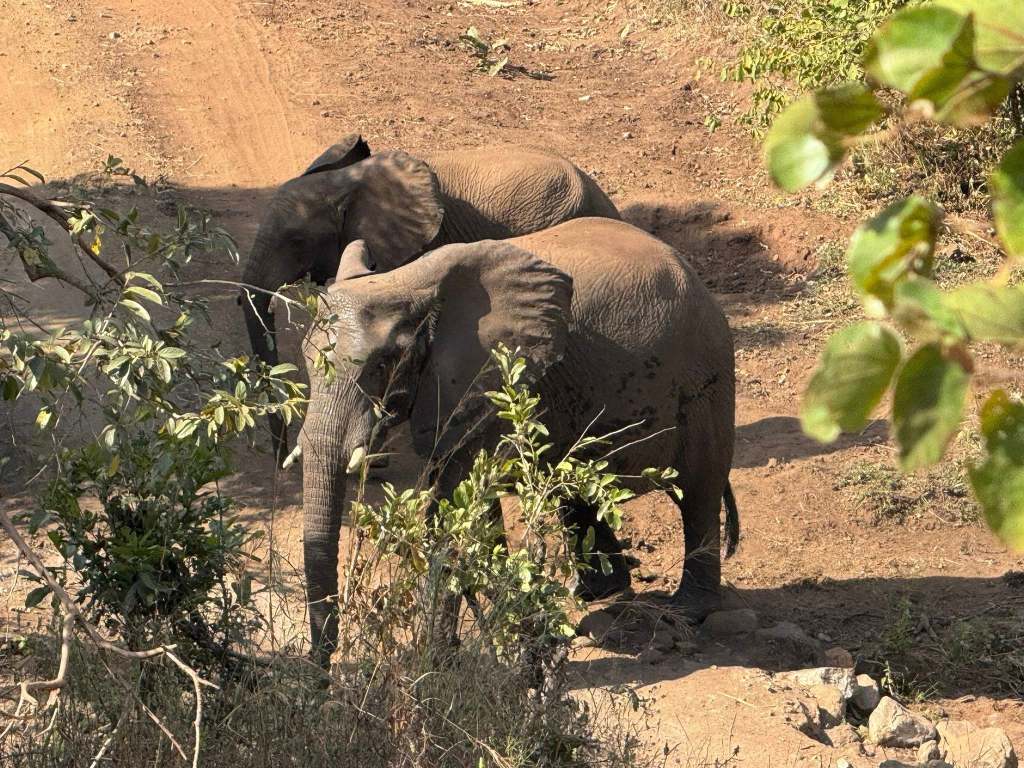
Elephant moms are the ultimate caregivers. Historical the elephants in Thuma have been very secretive and very rarely show themselves to people or cars due to terrible poaching over the years. But this is changing and we are thrilled to have regular sightings of bulls and breeding herds who are choosing to either come close to camps or/and allow cars to be somewhat near them I was honoured yesterday to be allowed to watch from a small distance while this threesome drank from a stream. Watching this mom with her two off spring reminds us how they raise their young with love and wisdom by moms who fiercely protect them. These gentle giants are true queens of motherhood and I am humbled that they allowed us to be so close to them.
Our trip to Malawi had several goals. First was to meet Lynn Clifford, Field Operations Manager of Wildlife Action Group (WAG) for the Thuma and Dedza-Salima Forest reserves. We had corresponded with Lynn over two years but not able to travel due to the Covid restrictions.
Lynn Clifford
Second was to review the fence we funded, thanks to a generous donor, which was the last section to encircle the Thuma forest. It is always our policy to make sure the money we send is actually being used as intended. Since the completion of the fence there has been zero human elephant conflict around Thuma much to the delight of the villages in the area. Their crops are now safe from marauding wildlife. It only takes one or two elephants to wipe out and entire harvest and leave a family fighting for survival. Raids by wildlife usually calls for killing the animals.
Solar power supply for the Elefence fence.
A fence also defines a clear boundary around the forest. Persons inside the fence without a permit to harvest bamboo for construction or to gather dead wood were usually doing something illegal such as poaching wildlife or cutting trees for charcoal production. The pictures below were taken of the same hillside inside the fence over three years. The first one shows the land almost completely denuded of vegetation. The second shows how the forest can recover if given the opportunity to regenerate.
Thirdly we wanted to review all the various community and ecological programs established by WAG to see where else we could help. Our primary mission is building solar powered electric fences but it is not possible to build a fence without the cooperation of the local villages surrounding the forest. The villages have had access to the forest for generations and you cannot take that way without providing them with alternatives. We toured the area with Austin Chimbalanga, the WAG Community Outreach Officer.
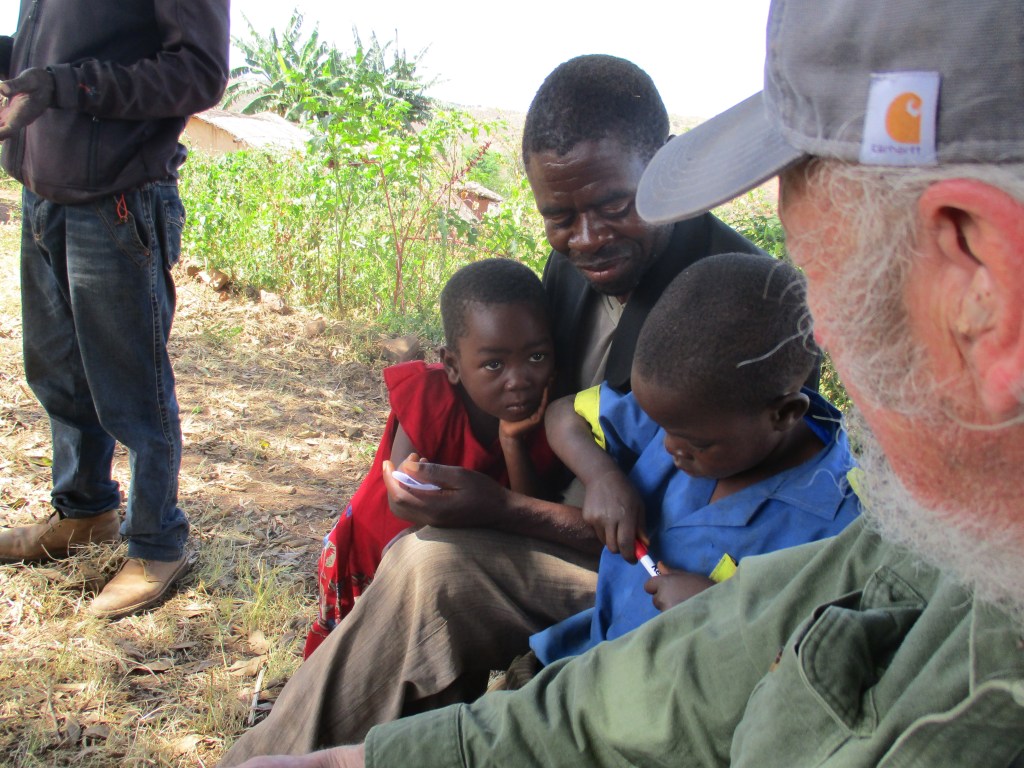
We visited several villages to see what programs WAG was supporting. WAG employs an agronomist to teach the local people how to grow and improve the yields in their gardens. They also supply poultry and goats which the villages can raise for protein, milk and to sell to provide income. They are taught beekeeping which is another generator of income.
Community garden
Bee hive. Raised to keep Honey Badgers and other animals out.
One thing three villages requested was a water well or borehole as it is called in Africa. We raised funds which were matched by other donors and the results were reported in a previous post.
We visited an elementary and secondary school, meeting with the staff and visiting the classrooms. Elementary school is mandatory and free for grades 1-8 however it is horribly crowded. The one we visited had 832 students and only 13 teachers. A 64 to 1 ration is not very conducive to learning. The teachers however were dedicated and did their best for the students. High school is optional if the parents can pay for it, about $150/year. Unfortunately even this meager amount is well beyond the means of the average family. About 1 out of 25 children get an education beyond the 8th grade. After learning all this we started a scholarship program and pay for 10 students to attend high school each year.
Elementary classroom
High School class
We were honored to attend a council of village chiefs with Lynn. The group discussed the problems they were facing and various solutions. We could not understand the discussions but Lynn told us one of the main concerns was the threat from local gangs who poached wildlife and cut trees for charcoal production. These are not individuals feeding their family but rather organized gangs who routinely were a danger to the locals as well as the rangers who patrol the forest. Rangers have been injured and even killed by these gangs. Lynn emphasized that the villages had to work together to support each other and report illegal activity to WAG or the local authorities. Elefence supports the rangers by awarding a small cash bonus of $3 for every successful apprehension and conviction of a criminal. Note that two of the chiefs were women. Transfer of power to a new chief passes through the mother and sometimes there is no male heir so it will go to the next female in line.
Council of Chiefs
We visited what Lynn called “An end of life clinic” which is what we refer to as a hospice center. The clinic is funded by a charity from Ireland and Lynn sits on their board. They dispense pain and other medication to ease a person’s exit from life on earth. They also provide food for patients and their families since most of the patients cannot work. Most of the people in the photo have some kind of terminal disease and the clinic nurse told us that 90% the women which need the clinic’s services have cervical cancer. Lynn pays a nurse to make monthly visits to the local villages to educate women and urge them to come to the clinic to get tested before it is too late.
Elephants have some unique and interesting physical properties in addition to their immense size. These properties have evolved over millions of years into the amazing creature we know today. Consider the following:
Look at the large pad on the bottom of their front leg. This feature serves to distribute their weight so they do not sink in soft ground and provides a cushion as they walk. It will retract somewhat when they lift their leg so it breaks the suction from walking on muddy ground.
An elephants ears do much more than detect sounds. Their primary function is to radiate heat from their body. The ears are filled with capillaries which carry heat from the body so it is dispelled into the air. The ears also give evidence as to the elephants state of agitation. A nervous elephant will shake its head or rapidly flap their ears if they are apprehensive about something. They will also hold their ears out wide to make themselves look larger.
Certainly one of the most striking features are the tusks which protrude from their face. They are both a tool and a weapon. A tusk is a modified incisor tooth and grows throughout their life although it can be worn down from use. Elephants are right or left handed just like humans and the worn tusks tells you which. Unfortunately they are also the cause of hundreds of thousands of elephant being slaughtered for their ivory in order to be sold into the Asian market to make trinkets, jewelry and statues. The poaching of elephants for their ivory is responsible for the fact that there are less than 50 old ‘Tuskers’ left with massive tusks which were once a common sight in Africa.
A right handed elephant
One of the few super tuskers left
The trunk is a most useful appendage for an elephant. They eat with it, drink with it, smell with it, trumpet with it, and greet other elephants with it. Their sense of smell is four times greater than that of a bloodhound. They will use it to siphon up water to spray over their body or to give themselves a dust bath to protect their sensitive skin. It contains over 100,000 individual muscles which makes it both very strong and yet flexible. The prehensile tip can pick up something as small as a peanut and are able to crack the shell without breaking the nut inside.
In the spring of 2022 Dick and I made the long and arduous trip to Malawi to visit our partner there, Wildlife Action Group (WAG). We started in Cleveland, OH and flew from there to Newark Liberty airport where we boarded a United Airlines 787 Dreamliner for the 15 hour flight to Johannesburg, South Africa. We cleared customs and stayed overnight in a small guesthouse near the airport. The next day we went back to the airport and took an Ethiopian Air 3 hour flight up to Lilongwe, Malawi. Lynn Clifford, the WAG field operations manager met us and took us on a 2 hour drive back into the WAG base camp in the Thuma Forest Reserve. Lynn had taken the trip to the city as an opportunity to pick up supplies for the camp. Dick rode up front with Lynn in the Land Cruiser and I rode in the back with the supplies and Lynn’s dog, Tarik.
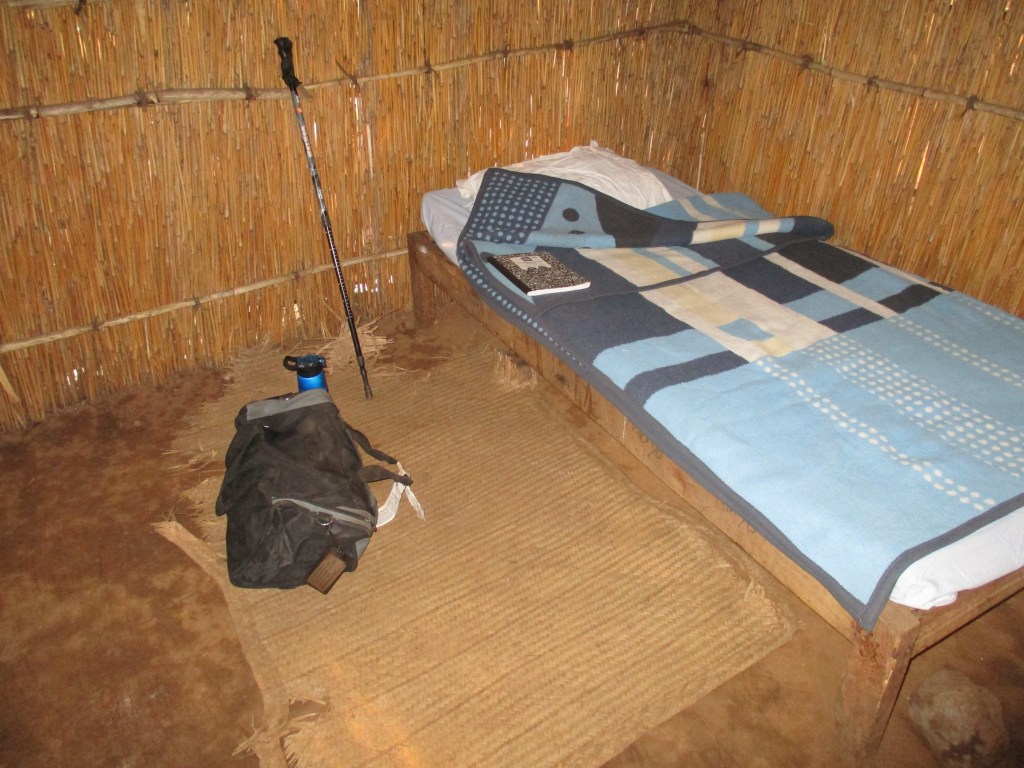
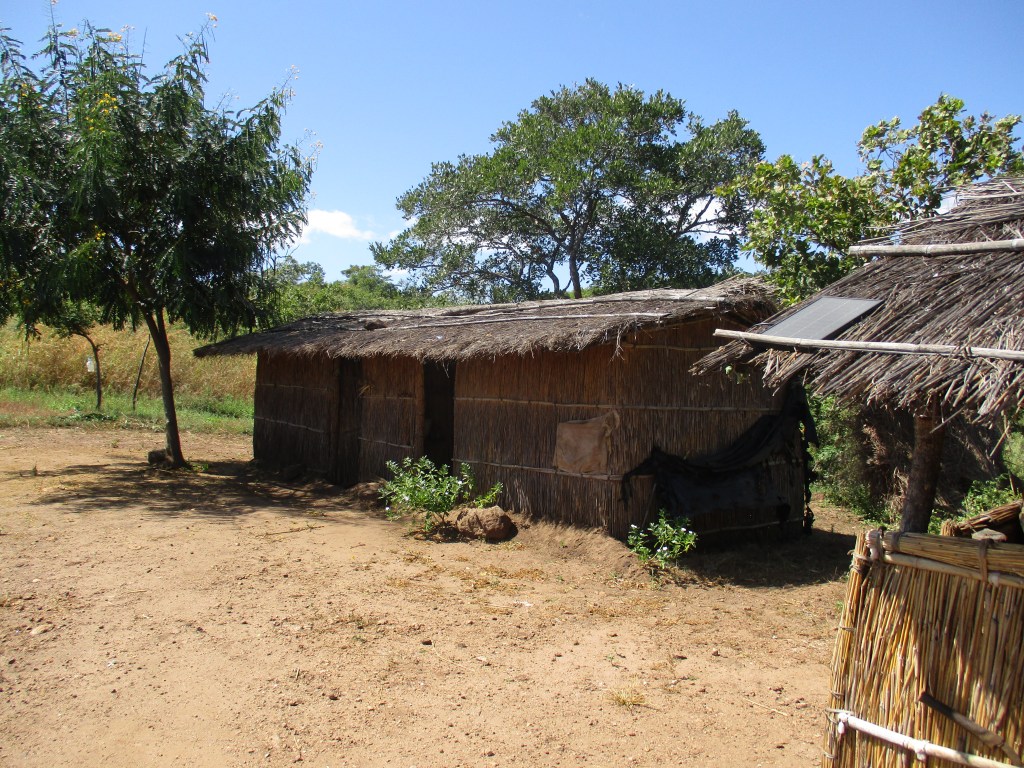
Upon arrival at the base camp Lynn gave us a quick tour and showed us our quarters for the next two weeks. We had two grass huts about 9 ft in diameter. Inside was a bed surrounded by mosquito netting, a chair, a shelf unit on which we could store our gear and a small table with a candle and matches. The floor was dirt covered by a grass mat. There was just enough room to stand up to get dressed. I shared my hut with a small lizard who skittered around chasing bugs, a bat which flew in and out occasionally and a large black spider who climbed up the netting. I dispatched him with my shoe the second night. Dick shared his tent with the camp cat, Kango, which means lion or panther.
Down the hill from our huts was a shower hut. About every second or third day the camp crew would light a fire under a large drum to heat water for our showers. Further down was the latrine which Dick christened our Martha Stewart toilet.
Up the hill was a small flat area with a table at which we had breakfast and lunch if we were not in the field. Further up was the camp office and a small room with a table and chairs where we ate our dinner.
Our meals were prepared by a cook and were simple but surprisingly good. Breakfast was usually scrambled eggs, sausage if you wanted it and toast with butter along with strong black coffee. Lunch, if we were not away in the field, was usually a thick vegetable soup with bread. Dinners were roast chicken, spaghetti, or beef accompanied by potatoes and a salad. What might be left over one night was served again the next. Previous to our meals was usually ‘Sundowner Time’, wine or a G&T and we sat around a fire and listened to Lynn and Dick exchange stories about their time in the bush. It was entertaining to say the least.
Dick with our cook, Facsome.
Camp kitchen
Evening sundowner
So ends part 1 of our time in Malawi. Part 2 will describe our experiences during the two weeks we were in Malawi.
There are two species of elephants on earth today. The African elephant and the Asian elephant. They are genetically different but easy to identify just by looking at their head and ears. For the most part however they share the same traits and abilities so we can consider them as one species. Zoologists break down the African elephant into two sub species, the bush or savannah elephant which lives in more open areas and the forest elephant which lives in jungle or wooded locations. Once again however we can really consider them as one species.
African elephant
Asian elephant
Elephants are the largest land animals alive on earth today. A mature African bull elephant can stand 13 ft tall at the shoulder and weigh upwards of 7 tons. It is difficult to appreciate just how big they are unless you are up close to them or you see them next to a familiar object.
Elephants live on average to between 60 and 70 years of age. They have 5 to 6 sets of molars in their jaws with which they use to grind their food. As the ones in the front wear down and fall out the ones in the rear move forward to replace them. When the last set is gone they can no longer properly feed themselves and basically die of starvation. Sadly elephants kept in zoos die at around 40 years of age. Elephants are hard wired to move about and travel freely and they need the social interaction with other elephants. The stress of captivity significantly shortens their life. Remember this when you see an elephant at a zoo.
Close up of an wide open elephant mouth. It shows anatomic details of the elephant throat like its teeth, tongue and the roof of the mouth
Elephants are right or left handed just like humans. You can tell by observing which tusk is worn down more than the other.
Left handed elephant
Right handed elephant
The saying that ‘An elephant never forgets’ is very true as they have amazing memories. Their brain is 4-5 times larger than a human’s, is very similar in construction and much of it is dedicated to memory. They navigate long distances by remembering the directions and trails they have taken in the past. They remember the location of waterholes and can recognize individual elephants they’ve had a relationship with in the past.
They can remember the location of fruit trees and when the fruit will ripen and fall to the ground. Elephants routinely push over small trees to get at the tops to eat the leaves. They don’t do this with fruit trees however, as they have learned that if they do that the tree will never again bear fruit again. So they butt the tree with their head or grab it with their trunk and shake the fruit loose. They eat what falls to the ground and return later to do it again.
Elephants don’t sweat but need to disperse heat from their large bodies. An elephant’s ears are filled with many blood vessels and act as radiators to keep the elephant cool.
Stay tuned for a post about some of the elephant’s physical properties.