

There are two species of elephants on earth today. The African elephant and the Asian elephant. They are genetically different but easy to identify just by looking at their head and ears. For the most part however they share the same traits and abilities so we can consider them as one species. Zoologists break down the African elephant into two sub species, the bush or savannah elephant which lives in more open areas and the forest elephant which lives in jungle or wooded locations. Once again however we can really consider them as one species.

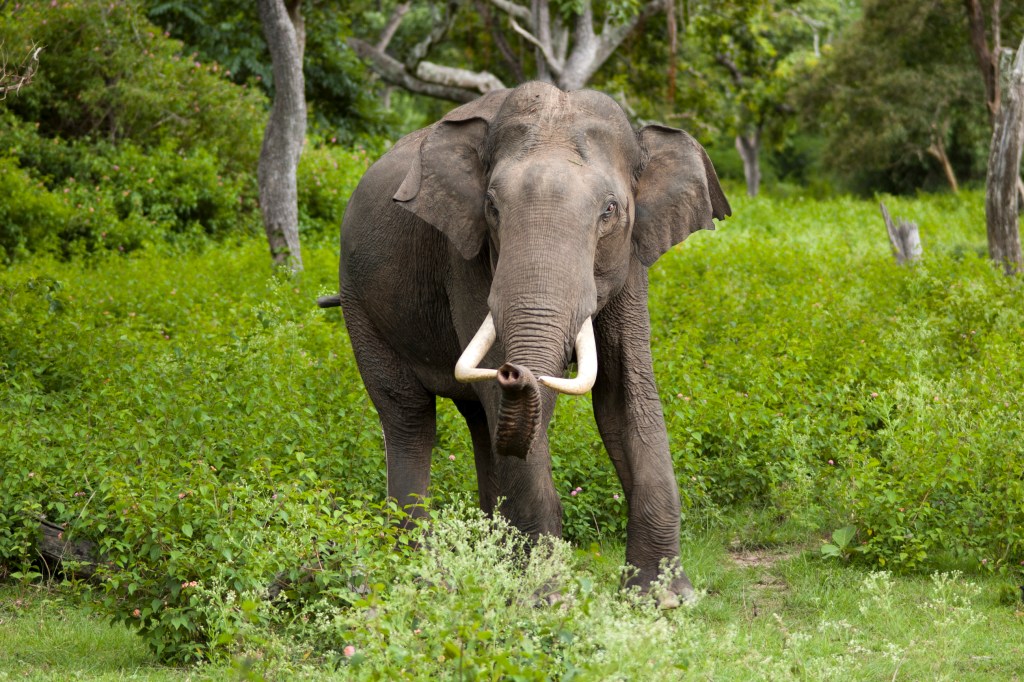
Elephants are the largest land animals alive on earth today. A mature African bull elephant can stand 13 ft tall at the shoulder and weigh upwards of 7 tons. It is difficult to appreciate just how big they are unless you are up close to them or you see them next to a familiar object.

Elephants live on average to between 60 and 70 years of age. They have 5 to 6 sets of molars in their jaws with which they use to grind their food. As the ones in the front wear down and fall out the ones in the rear move forward to replace them. When the last set is gone they can no longer properly feed themselves and basically die of starvation. Sadly elephants kept in zoos die at around 40 years of age. Elephants are hard wired to move about and travel freely and they need the social interaction with other elephants. The stress of captivity significantly shortens their life. Remember this when you see an elephant at a zoo.
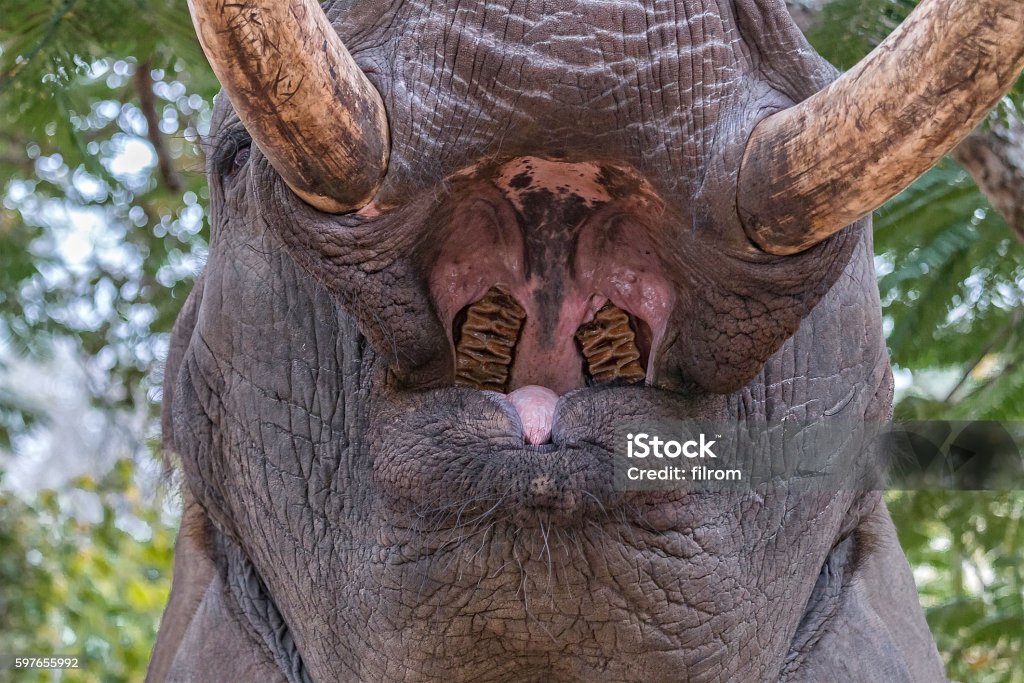
Elephants are right or left handed just like humans. You can tell by observing which tusk is worn down more than the other.

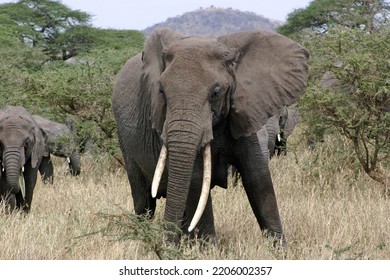
The saying that ‘An elephant never forgets’ is very true as they have amazing memories. Their brain is 4-5 times larger than a human’s, is very similar in construction and much of it is dedicated to memory. They navigate long distances by remembering the directions and trails they have taken in the past. They remember the location of waterholes and can recognize individual elephants they’ve had a relationship with in the past.
They can remember the location of fruit trees and when the fruit will ripen and fall to the ground. Elephants routinely push over small trees to get at the tops to eat the leaves. They don’t do this with fruit trees however, as they have learned that if they do that the tree will never again bear fruit again. So they butt the tree with their head or grab it with their trunk and shake the fruit loose. They eat what falls to the ground and return later to do it again.

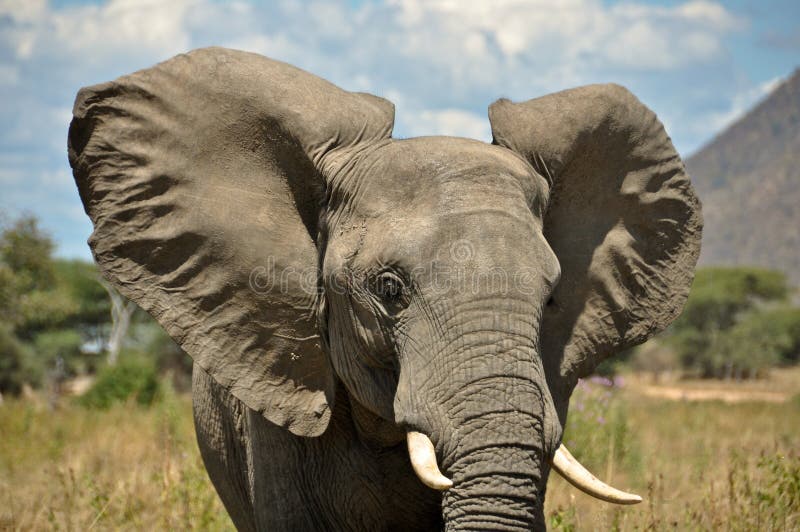
Elephants don’t sweat but need to disperse heat from their large bodies. An elephant’s ears are filled with many blood vessels and act as radiators to keep the elephant cool.
Stay tuned for a post about some of the elephant’s physical properties.
 Elefence International, Inc.